
Parents looking for less sugar
You’re looking for a biscuit for a school lunch with a clear sugar claim or nutritional information you can compare. Choosing a smaller portion of a standard canoe cake isn’t the same as choosing a lower-sugar one.


A standard butter canoe cake is not a proven lower-sugar choice: Albert Heijn lists 39 g of sugars per 100 g for its butter canoe cakes, while Jumbo lists 36,8 g per 100 g. If a sugar claim is your priority, you could choose a different type of biscuit, provided you also check the sugars per portion, allergens and school rules. A biscuit is an addition to lunch, not a replacement for it.
You’re looking for a biscuit for a school lunch with a clear sugar claim or nutritional information you can compare. Choosing a smaller portion of a standard canoe cake isn’t the same as choosing a lower-sugar one.
Standard canoe cakes may contain ingredients such as wheat, milk, egg, soya and almonds. Check the current packaging, any cross-contamination warnings and the arrangements agreed with the school before packing one.
You want to know whether a biscuit fits alongside the other parts of the lunch, rather than basing your choice on the biscuit alone. The rest of the lunchbox and any school rules matter too.
First decide whether it has to be a canoe cake or whether another type of biscuit will do. Then compare the sugar content and allergens on the packaging.
When: If you’re consciously choosing a standard sweet biscuit as a treat and it fits with the school’s rules.
Trade-off: Albert Heijn and Jumbo’s butter canoe cakes have no substantiated ‘lower sugar’ claim. Check their allergen information too.
When: If a clear claim about added sugars matters more to you than having a canoe-shaped cake.
Trade-off: Verkade says its San Francisco Zero biscuit contains no added sugars, but it isn’t a canoe cake. That claim alone tells you nothing about allergens.
| What to consider | What to check when buying | Who it matters to |
|---|---|---|
| Sugar content | Read the exact claim and compare sugars per 100 g and per portion. | If I want to keep an eye on sugars in a school lunch, I want to be able to compare biscuits without mistaking a smaller portion for a sugar claim. For around 42% of consumers, sugar content comes first. |
| Allergens and school rules | Read the ingredients, allergen information and any cross-contamination warnings; discuss individual arrangements with the school. | If a pupil has an allergy or coeliac disease, I want to know whether the biscuit fits the agreed arrangements before packing it. For around 33% of consumers, this check is the top priority. |
| Its place in the lunch | Check what else is in the lunchbox and whether the school has rules about biscuits. | I want to decide what else to include in the lunch first, then decide whether to add a biscuit. The overall make-up of the lunch matters most to around 25% of consumers. |
According to Jumbo, one 55 g butter canoe cake contains 20,2 g of sugars. That’s the amount per portion; the 36,8 g per 100 g shown on the same label lets you compare products on an equal basis.
Check both figures and read any sugar claim separately.
A claim about added sugars doesn’t tell you whether a biscuit contains gluten or other allergens.
Check the allergen information and any cross-contamination warning on the current packaging. If the pupil has an allergy or coeliac disease, make sure your choice follows the individual arrangements agreed with the pupil, their parents or carers, and the school.
A canoe cake or biscuit is a treat. Whether it can go in the lunchbox is a separate question from what else you’ve packed for lunch.
Decide on the other parts of the lunch first, then see whether a biscuit would make a suitable extra.
Albert Heijn sells butter canoe cakes as well as a separate range of products aimed at people watching their sugar intake.
Jumbo lists nutritional values per 100 g and per portion for its butter canoe cakes.
Verkade’s San Francisco Zero biscuit is an alternative if you’re looking for a claim about added sugars.
These cereal bars and biscuits are alternatives if the school lunch doesn’t have to include a canoe cake. Consider their sugar claims alongside the nutritional information, and check allergens and portion size on the packaging.
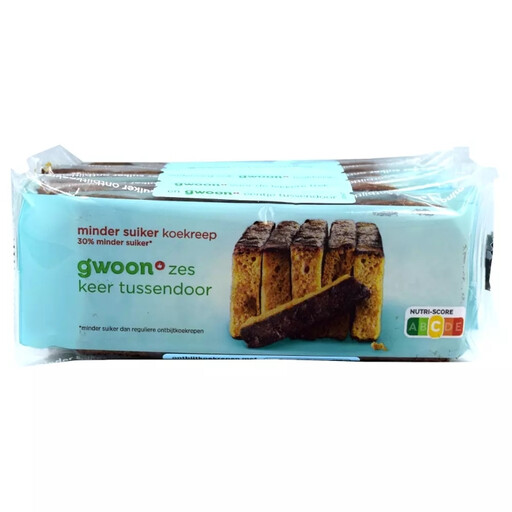 No image available
A cereal bar for anyone looking to pack a different type of biscuit instead of a canoe cake.
Check the packaging to see what the ‘Less Sugar’ claim is compared with and how many sugars are in one bar. Read the ingredients and allergen information before packing it too.
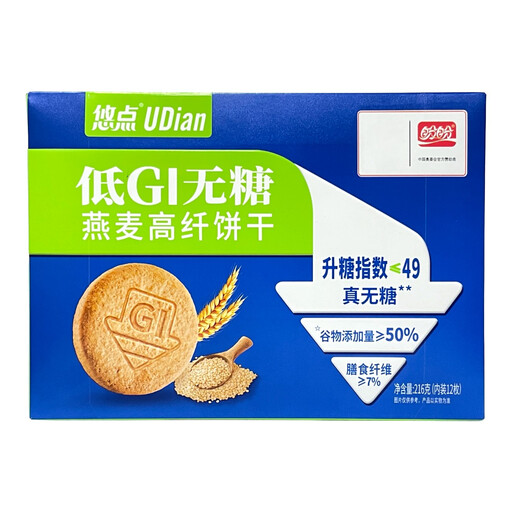 No image available
A biscuit to consider if you’re looking for an alternative to a canoe cake.
The ‘Sugar-Free’ claim needs a closer look, as the product information also lists sugars in the nutritional values. Check the current packaging for the exact claim, the amount per portion and the allergens before choosing.
There’s no substantiated ‘lower sugar’ claim for these two standard butter canoe cakes. Albert Heijn lists 39 g of sugars per 100 g and Jumbo lists 36,8 g per 100 g. If you’re comparing them with an alternative, check the portion size and the exact claim on the packaging too.
A claim about sugars doesn’t tell you whether a biscuit is suitable for someone with coeliac disease or a food allergy. Check the ingredients, allergen information and any cross-contamination warnings on the current packaging, and follow the individual arrangements agreed with the school.
Follow the storage advice on the packaging of the canoe cake you’ve bought. Albert Heijn and Jumbo’s product information recommends storing it in a cool, dry, dark place. Albert Heijn also recommends keeping it in a sealed container once opened.