What to look for when choosing
First, ask which ingredients could be a problem for the group and what the party venue allows. Then compare the sugar claim and decide which type of product and portion you want to hand out.
| What to consider | What to check when buying | Who it matters to |
|---|
| Allergens and dietary requirements |
Ask about dietary requirements in advance. Check the pack you buy for the allergens it contains and those it may contain; also confirm what the party venue allows. |
If I’m handing treats out to the whole group, I want to know before buying whether every child can eat them. For around 34% of consumers, suitability for the group is the most important factor. |
| What the sugar claim means |
Compare ‘of which sugars’ per 100 g and per serving. If it says ‘less sugar’, check what the product is being compared with. |
A claim about added sugar only helps me choose once I know how much sugar is in a serving too. Around 33% of consumers say this comparison is their top priority. |
| Portion size and handing out |
Check the stated serving size, the number of biscuits and whether individual wrapping is needed for your occasion. |
When I’m preparing treats for several children, I want to know in advance what counts as one treat. For around 20% of consumers, a portion that’s easy to share comes first. |
| Type of treat |
Decide whether you want a biscuit, another type of cookie or breakfast cake; then check the ingredients and any sweetener warnings. |
I want to hand out something familiar, but breakfast cake doesn’t automatically feel like a biscuit for this party. A familiar product type is the first consideration for around 13% of consumers. |
Products at Joybuy
Below are a biscuit and a breakfast cake that you could serve as treats. Breakfast cake is an alternative if you don’t need a classic biscuit; for both products, check the exact sugar claim, serving size and allergens on the packaging.
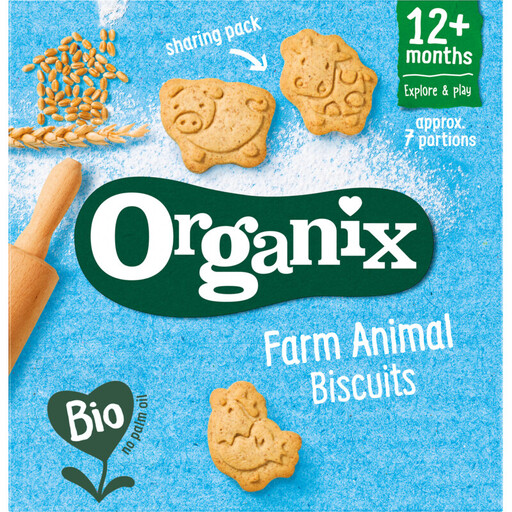 Image unavailable
Organix Bio Farm Animal Biscuits, 100 g
If you want to hand out biscuits, compare the portion size with the number of children. Check the exact pack to see what the sugar claim means, how much sugar it contains per 100 g and which allergens are listed.
View at Joybuy
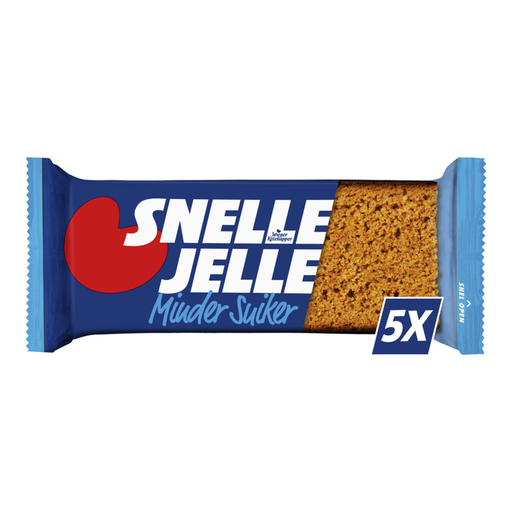 Image unavailable
Snelle Jelle Breakfast Cake Less Sugar-Free, 250 g
Consider this breakfast cake only if this type of product suits the occasion. Check the packaging to see what the sugar claim means, and look at the sugar content per 100 g and per serving, the serving size and the allergens.
View at Joybuy
Frequently asked questions
Does ‘no added sugars’ mean a biscuit contains no sugars?
No, it may still contain sugars that occur naturally. Albert Heijn says that Verkade San Francisco Zero has no added sugars, but it does contain 1.7 g of sugars per 100 g. So check the nutrition table and ingredients list too.
What should I look for in biscuits with sweeteners?
Check which sweeteners are listed on the label and look out for product-specific warnings. The Netherlands Nutrition Centre says children can consume sugar and sweeteners as part of a normal diet; some biscuits containing polyols also carry a warning that excessive consumption may have a laxative effect.
How can I take allergies into account when handing out treats?
Before buying, ask which children have allergies or other dietary restrictions, then check the current packaging of the biscuit you’ve chosen. The Netherlands Nutrition Centre recommends asking about restrictions in advance; the allergens listed vary between products in the ranges mentioned.
Can I always hand out biscuits at school or after-school care?
That depends on the venue’s arrangements. According to the Netherlands Nutrition Centre, a party policy may determine what treats can be handed out, and a birthday can also be celebrated without edible treats. Check before you buy anything.
How should I store an opened pack until the party?
Follow the storage advice on the packaging for the exact product. For AH Digestive 0% suiker, Albert Heijn recommends storing the biscuits in a sealed tin after opening; check the best-before information on your pack too.


