
Buffet organiser comparing sugar content
You’re looking for biscuits to serve with coffee or dessert and want to know how much sugar they contain per 100 g. A claim such as ‘zero’ or ‘lower sugar’ doesn’t replace that comparison.


First compare the ‘of which sugars’ figures per 100 g when choosing biscuits for your Boxing Day buffet. Then consider the flavour and the claim on the front of the pack. ‘Lower sugar’ and ‘no added sugar’ don’t mean the same thing, and a low sugar figure doesn’t tell you anything about fat or polyols on its own. If you’re sharing the buffet, also check the allergens, sweeteners and any warnings on the current packaging.
You’re looking for biscuits to serve with coffee or dessert and want to know how much sugar they contain per 100 g. A claim such as ‘zero’ or ‘lower sugar’ doesn’t replace that comparison.
Before serving, you want to check the allergens listed on each biscuit’s packaging. The product examples discussed include ingredients such as wheat, milk, egg, soya and nuts.
You want to know whether the biscuits contain maltitol or other polyols. The Netherlands Nutrition Centre points out that products with high levels of added polyols carry a warning on the label about a possible laxative effect if consumed in excess.
First decide which features matter most to your guests at your Boxing Day buffet. Then compare the nutritional information for biscuits that meet those needs.
| What to consider | What to check when buying | Who it matters to |
|---|---|---|
| Sugars | Compare the ‘of which sugars’ figures per 100 g and check whether the claim relates to added sugars or compares the product with another one. | I want to choose biscuits with a lower stated sugar content without relying on the wording on the front of the pack; around 40% of consumers prioritise comparing sugar content. |
| Allergens | Read the current ingredients and allergen information, including any statements about traces. | If guests have allergies, I want to know which ingredients are in each biscuit before serving; this is the most important consideration for around 30% of consumers. |
| Flavour and variety | Compare the types of biscuits and check the pack size to make sure there’s enough for your guests. | I want to offer a range of flavours with coffee and dessert; around 20% of consumers put variety first when choosing. |
| Sweeteners | Check the ingredients for sweeteners, the nutritional information for polyols and any warnings. | I want to know what has replaced sugar before putting the biscuits out; this is the main concern for around 10% of consumers. |
According to Albert Heijn, its butter toffee waffles, which contain 32% less sugar than its own reference version, still contain 23 g of sugars per 100 g.
Read both the comparison behind the claim and the ‘of which sugars’ figure in the nutritional information.
Several of the biscuits discussed contain maltitol or other polyols. Some packs warn that excessive consumption may have a laxative effect.
Check the ingredients and warnings. Serve small portions and keep the packaging handy for guests who want to read the information.
The biscuits discussed list various combinations of wheat, milk, egg, soya and nuts. The sugar information tells you nothing about these ingredients.
Read the current allergen information before buying, and check it again before putting the biscuits out on the buffet.
Ingredients and nutritional information can change. Albert Heijn therefore recommends checking the information on the packaging.
Compare options in advance, but check the label on the pack you’ve actually bought before serving.
Own-brand options include a digestive labelled ‘0% sugar’ and butter toffee waffles labelled ‘lower sugar’.
Biscuit varieties with different flavours and sugar claims, including chocolate and almond speculoos.
San Francisco zero is a biscuit variety labelled ‘0% added sugar’.
Supermarket with product information for products including Céréal Minder Suikers Choco Delight Puur.
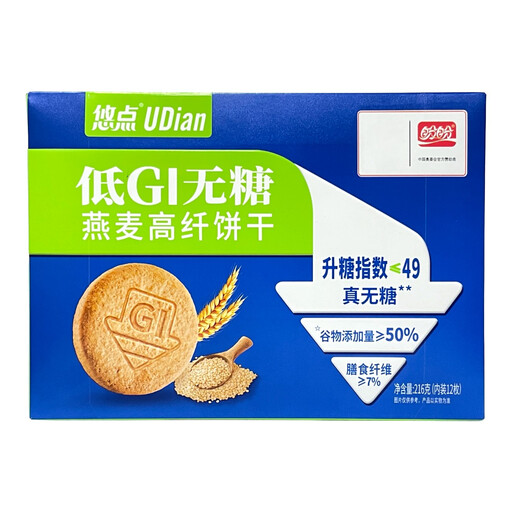
These oat biscuits are one option to compare using the label. Check the sugar claim and allergens before choosing them for your buffet.
 No image available
If you’re considering these oat biscuits for your buffet, the ‘Sugar-Free’ label is worth checking carefully: the stated nutritional value is 11,7 g of sugars per 100 g.
The product information lists maltitol and includes wheat, soya, oats and egg. Check the current packaging, especially if your guests are keeping an eye on allergens or sweeteners.
No. According to Albert Heijn, its butter toffee waffles, which contain 32% less sugar than its own reference version, still contain 23 g of sugars per 100 g. So always read the nutritional information as well as the claim.
Compare the ‘of which sugars’ figures per 100 g so that different portion sizes don’t skew the comparison. The Netherlands Nutrition Centre recommends using this basis when comparing products; also check the ingredients and any other nutritional values that matter to you.
Check which sweeteners have been used and whether the packaging carries a warning about excessive consumption. The Netherlands Nutrition Centre notes that products with high levels of added polyols may carry such a warning; keep the packaging available for guests at the buffet.
Check the full allergen information on each current pack. The biscuit examples discussed include cereals containing gluten, milk, egg, soya and nuts, but ingredients vary from product to product.
Follow the storage instructions on the packaging. Albert Heijn and Verkade recommend storing the products discussed in a cool, dry place; for some products, Albert Heijn advises keeping them in a sealed tin after opening. You can put out small dishes and keep the remaining biscuits sealed.