
Parents who want to compare sugar content
For them, the ‘of which sugars’ figure in the nutrition table matters more than a claim on the front of the pack. ‘Lower sugar’ and ‘sugar-free’ do not describe the same kind of product.


For an after-school snack, start by comparing the sugar content per 100 g: a biscuit labelled ‘lower sugar’ is not the same as a sugar-free option. Then check the portion size, any sweeteners and polyols, and the allergens listed on the current packaging. If the snack is going to school or an after-school club, check the rules for the group too.
For them, the ‘of which sugars’ figure in the nutrition table matters more than a claim on the front of the pack. ‘Lower sugar’ and ‘sugar-free’ do not describe the same kind of product.
They need to check the allergens in the chosen variety, as well as the rules at the school, in the class or at the after-school club. Even an individually wrapped biscuit may contain cereals containing gluten or other allergens.
A snack bar or measured portion can be handy for after school. The packaging and portion size alone tell you nothing about the sugar content, sweeteners or allergens.
Biscuits, breakfast cake bars and stroopwafels can all carry a sugar-related claim, but they differ in shape and in the sugar figure on the label. First choose the type of snack that suits you, then compare the nutrition information and allergens for the specific product.
May suit you if: a low sugar figure per 100 g is your priority; the Céréal Sesam & Vanille and AH Digestive 0% suiker products reviewed list 0 g and 0.3 g respectively.
What to bear in mind: these examples contain polyols, and you should check the allergens for each variety.
May suit you if: you prefer a softer cake or an individually wrapped bar; Lotus Mini Zero Ontbijtkoek comes individually wrapped.
What to bear in mind: ‘zero’ does not always mean 0 g of sugars: Lotus lists 2.5 g of sugars per 100 g and states that the product contains gluten.
May suit you if: you prefer a familiar stroopwafel or breakfast cake, rather than aiming for the lowest possible sugar figure.
What to bear in mind: the Albert Heijn stroopwafels reviewed list 23 g of sugars per 100 g; Jumbo’s breakfast cake bars list 22.7 g.
| What to consider | What to check when buying | Who it matters to |
|---|---|---|
| Sugar content | Compare ‘of which sugars’ per 100 g and check what a ‘lower sugar’ claim is being compared with. | If I mainly want to choose a low-sugar option, I want to compare the figure on the label rather than rely on the word ‘zero’. For around 29% of consumers, comparing sugar content comes first. |
| Allergens and school rules | Read the current allergen information, including ‘may contain’ statements, and ask about the rules at the school, in the class or at the after-school club. | A snack needs to meet the group’s allergen restrictions and rules before I pack it. For around 36% of consumers, this check is the top priority. |
| Portion size and taking it with you | Check the portion size and whether the chosen variety is individually wrapped. | For a regular after-school snack, I want to be able to pack a manageable amount in advance. This is the main consideration for around 21% of consumers. |
| Flavour and biscuit type | First choose between options such as biscuits, stroopwafels and breakfast cake; then compare varieties of that type. | If a familiar biscuit is the deciding factor at home, I look at the nutrition information for the options afterwards. Around 14% of consumers put the type of biscuit first. |
A relative reduction can still leave a noticeably high amount of sugar overall. Albert Heijn lists 23 g of sugars per 100 g for its Roomboter minder suiker stroopwafels; Jumbo lists 22.7 g for Ontbijtkoek Minder Suiker.
Compare the ‘of which sugars’ figure per 100 g, then consider how much of the product you want to pack.
The AH Ontbijtkoek zero, AH Digestive 0% suiker and Céréal Sesam & Vanille products reviewed contain polyols. The product information warns that excessive consumption may have a laxative effect.
Check the ingredients, the stated amount of polyols and the portion size on the packaging.
The biscuits and breakfast cakes reviewed contain, or may contain, ingredients including cereals containing gluten, milk, egg, soya, sesame or nuts. This varies by product and variety.
Check the current packaging and ask about the school, class or after-school club rules before packing the snack.
The Joybuy title for Panpan oat biscuits includes ‘Sugar-Free’, while the product information lists 11.7 g of sugars per 100 g. So the title alone is not a reliable basis for choosing a low-sugar option.
Use the nutrition table and ingredients on the specific product packaging as your guide.
These brands offer different types of biscuits and sugar-related claims. Always compare the specific variety; the brand name alone does not tell you what is in the pack.
The own-brand range includes biscuits and breakfast cake labelled ‘zero’, as well as lower-sugar stroopwafels.
Céréal offers biscuit varieties made with sweeteners, including Sesam & Vanille and Choco Delight Puur.
Lotus Mini Zero Ontbijtkoek is an individually wrapped bar, making it a different type of snack from a biscuit.
Jumbo Ontbijtkoek Minder Suiker is a breakfast cake bar with a relative reduction in sugar.
The range includes products such as Koekhappers minder suiker and Gesneden Ontbijtkoek Zero.
These products offer two different types of snack for after school: oat biscuits and snack bars. Compare their sugar figures per 100 g, and check the allergens and portion size on the chosen packaging before packing them.
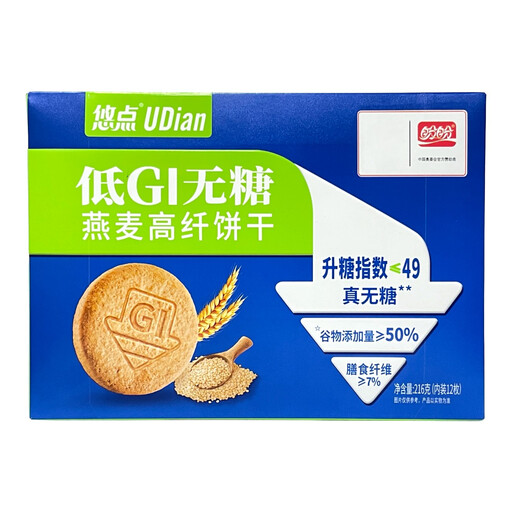 Image unavailable
An option if you’re looking for a biscuit and want to compare the nutrition values per 100 g. The product information lists 11.7 g of sugars per 100 g and maltitol as an ingredient; don’t rely on ‘Sugar-Free’ in the original product title to judge the sugar content.
Wheat, soya, oats and egg are listed as allergens. Check the current packaging and school rules before packing the biscuits; also consider the portion size if you want to pack them individually.
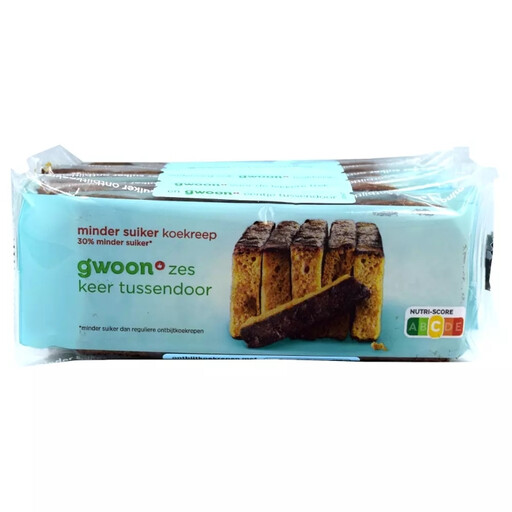 Image unavailable
A snack bar for anyone who would rather pack this type of treat than a biscuit. The product information lists 22.8 g of sugars and 9 g of fibre per 100 g; compare these figures with other snack bars rather than assuming ‘Less Sugar’ means sugar-free.
Rye is listed, and the product may contain wheat, barley, oats, milk, almonds and hazelnuts. Check the current packaging and school rules, and make sure the pack and portion size suit how you plan to give the bars.
No. Albert Heijn lists 23 g of sugars per 100 g for Roomboter minder suiker stroopwafels, while Jumbo lists 22.7 g for Ontbijtkoek Minder Suiker; the AH Digestive 0% suiker product reviewed lists 0.3 g per 100 g. Always compare the ‘of which sugars’ figures on the same basis, and check what product is used for comparison when a ‘lower sugar’ claim is made.
Some of the zero and sugar-free varieties reviewed contain polyols and warn that excessive consumption may have a laxative effect. Check the ingredients and portion size for the specific product, as well as the ‘of which sugars’ figure.
Read the current ingredients and allergen information for that exact variety, and also check the rules at the school, in the class or at the after-school club. According to the Netherlands Food and Consumer Product Safety Authority, 14 allergens must be listed on the label, and the type of cereal must be named when cereals containing gluten are present. The label does not tell you which rules the school follows.
Having a regular after-school snack makes it easier to decide what and how much to pack. The Netherlands Nutrition Centre advises that children aged 4 to 12 should not eat or drink between meals more than four times a day.