What should you look for when choosing?
Start by checking the fat per 100 g and exactly what a claim is based on. Then consider the portion, salt and ingredients of the variety you want to serve.
| What to consider |
What should you check? |
Who might prioritise this? |
| Lower fat |
Compare total fat per 100 g and, if there’s a claim, check which products are used as the reference. |
I want to link a lower-fat claim to the exact variety and comparison. Around 40% of consumers put demonstrably lower fat at the top of their list. |
| Portion and energy |
Compare the figures per 100 g first, then calculate them for the same portion size. |
I want to decide how much to serve without mixing up portion sizes from different labels. Around 30% of consumers give portion size and energy the highest priority. |
| Salt |
Check salt and total fat separately; unsalted, on its own, tells you nothing about fat content. |
I’m mainly looking for peanuts with little or no added salt, but I also want to assess the fat separately. Around 20% of consumers put limiting salt at the top of their list. |
| Coating and recipe |
Check the peanut content, ingredients and allergens of the exact flavour variety. |
I want to know whether plain peanuts or a seasoned coating will suit my drinks and nibbles and my guests. Around 10% of consumers make flavour and ingredients their first consideration. |
Peanuts at Joybuy
This selection includes unsalted and roasted peanuts, peanuts in their shells and unroasted peanuts for you to prepare yourself. Check the label for the exact variety; the product choice alone does not support a lower-fat claim.
 No image available
g’woon unsalted peanuts, 250 g
An option if you’re looking for unsalted peanuts to serve with drinks and nibbles.
The product description lists 99% peanuts and sunflower oil.
View at Joybuy
 No image available
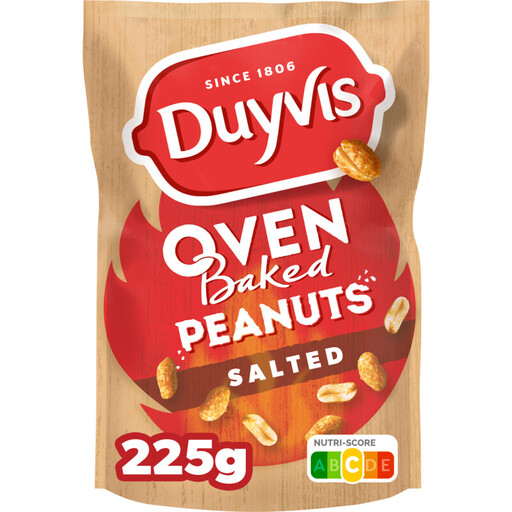
Duyvis roasted peanuts, 225 g
An option if you want to serve roasted peanuts straight from the pack as a snack with drinks.
The product description lists 97% peanuts and 1,4 g of salt.
View at Joybuy
 No image available
g’woon peanuts in their shells, 500 g
Ideal for a gathering where you shell the peanuts yourself.
The product description suggests snacking on them in their shells and using them in sweet and savoury dishes.
View at Joybuy
 No image available
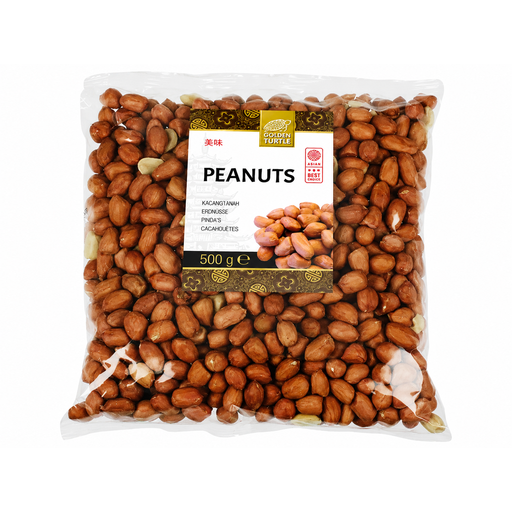
Golden Turtle Premium unroasted peanuts with skins, 500 g
An option if you want to roast and season the peanuts yourself for your gathering.
The product description lists 49 g of fat per 100 g. It suggests roasting and seasoning them before serving as a snack.
View at Joybuy
 No image available
Verse Extra Large roasted peanuts, 210 g
An option if you’re looking for roasted, unsalted peanuts to serve with drinks and nibbles.
The product description lists 100% peanuts and 50 g of fat per 100 g. This information does not support a lower-fat claim.
View at Joybuy
Frequently asked questions
What does ‘low fat’ mean for a solid food?
According to the European Commission, a solid food can be labelled ‘low fat’ if it contains no more than 3 g of fat per 100 g. The peanut and party nut labels examined, which list 21 to 51 g of fat per 100 g, are above this limit.
How do I compare the fat in a portion of peanuts?
Compare the fat per 100 g first, then work out the figures for the same portion size for both products. This helps you avoid mistaking a difference in the portion sizes shown on labels for a difference in the products’ composition.
What should I look for in coated peanuts if my guests have allergies?
Check the ingredients and allergens for the exact variety. The labels for the Duyvis coated party nuts examined list wheat and cereals containing gluten; Albert Heijn lists those varieties as discontinued, so always check the packaging of the product you’re serving.
Which AH peanuts were covered by the recall warning?
On 20 May 2026, Albert Heijn issued a warning about AH Pinda’s extra groot gezouten in a tub with a best-before date of 04-11-2026, due to possible metal fragments. Do not eat the product from that specific pack. The warning does not automatically apply to other AH peanuts or to the 300 g unsalted variety examined.
How should I store opened peanuts for another gathering?
Follow the storage instructions on the packaging for the variety you choose. AH advises storing AH Ongezouten 300 g in a cool, dark, dry place and sealing it well after use; Duyvis advises storing Oven Baked Peanuts Original in a cool, dry place and transferring it to a light-proof, airtight container after opening.


