
People looking for lower-fat snacks for drinks
You want to check the fat content and the comparison on the label, rather than relying on words such as ‘oven-baked’ alone.


First compare the fat per 100 g, then consider the amount you serve: ‘oven-baked’ and ‘unsalted’ don’t necessarily mean a product is low in fat. Duyvis describes Oven Baked Peanuts Original as made without added oil or fat, but this doesn’t tell you how much total fat the peanuts contain. Choose unsalted if salt is your priority, and assess fat, energy and ingredients separately.
You want to check the fat content and the comparison on the label, rather than relying on words such as ‘oven-baked’ alone.
You want to decide in advance how much to serve. Match the nutritional values per portion to the amount that actually goes on the table.
Your main preference is an unsalted snack. Assess this choice separately from the fat content.
First decide whether fat content, portion size, salt, flavour or pack size matters most. Then check the nutritional values and information for the exact variant.
| What to consider | What should you check? | Who is this important to? |
|---|---|---|
| Is the lower-fat claim substantiated? | Compare total fat per 100 g and check which product the claim is compared with. Duyvis describes Original as made without added oil or fat; this is not a total fat value. | If a demonstrably lower fat content is your main selection criterion, you’ll want to assess the claim and the basis for comparison. Around 31% of consumers prioritise reducing fat. |
| Portion size and nutritional values | Compare energy and fat separately. Work out the values for your portion using the amount per 100 g × the portion weight ÷ 100. | If you want to serve the same snack in a measured quantity, the portion weight determines how much you actually eat. Around 25% of consumers prioritise portion size and energy. |
| Choosing unsalted | Check that the variant is explicitly described as unsalted, and read the salt and fat values separately. | If you mainly want an unsalted nut snack for drinks, this product feature is your first selection point. Around 19% of consumers give unsalted products top priority. |
| Flavour and ingredients | Check the exact flavour variant and read the ingredients, nutritional values and allergen information on the pack. | If flavour and texture determine what you want to serve, you’ll want to know the ingredients of that particular version. Around 13% of consumers start with the flavour they want for drinks. |
| Pack size | Match the net weight to the amount you want to serve, and think about how you’ll store any leftovers. | If you want to buy enough for your guests without having lots left over, pack size is a practical starting point. Around 12% of consumers prioritise suitable quantities and minimising leftovers. |
Duyvis describes Oven Baked Peanuts Original as made without added oil or fat. This method of preparation doesn’t tell you the total fat content or prove that the product is low in fat.
Read the total fat per 100 g, and treat the preparation method and a nutrition claim as separate pieces of information.
SPAR states that Duyvis Oven Roasted Borrelnootjes Sweet Paprika has 30% less fat than ordinary peanuts in a crispy coating. This is a retailer’s claim based on that comparison, not a claim about all plain nuts or nut mixes.
Check which product is being used for comparison, and also compare the nutritional values per 100 g.
Unsalted describes the salt content, not the total fat content. Nuts also contain fat, including unsaturated fat.
Choose unsalted if that’s your aim, and assess fat content and portion size separately.
A claim about one nutritional characteristic doesn’t automatically tell you everything about the rest of the product’s composition. The NVWA stresses that a nutrition claim must be accurate; ingredients and allergens also matter when choosing a snack for drinks.
For the exact variant, read the nutrition table, ingredients list and allergen information.
A useful option to compare if you’re considering oven-baked products or a snack for drinks with an explicit lower-fat claim.
AH Unsalted Nut Mix is an option to compare if unsalted is your first preference.
Jumbo Unsalted Peanuts 250 g is a specific option to compare for salt preference and pack size.
Lidl lists Alesto as a product range for nuts and party snacks.
ALDI lists an unsalted nut mix under TRADER JOE’S.
PLUS Unroasted Unsalted Nut Mix in a 500 g stand-up pouch is an option if you’re serving a group.
This Joybuy selection includes nuts and snacks for drinks to compare by type, flavour and pack size. The product name or preparation method alone doesn’t prove a reduced fat content; check the nutritional values for the exact variant.
 No image available
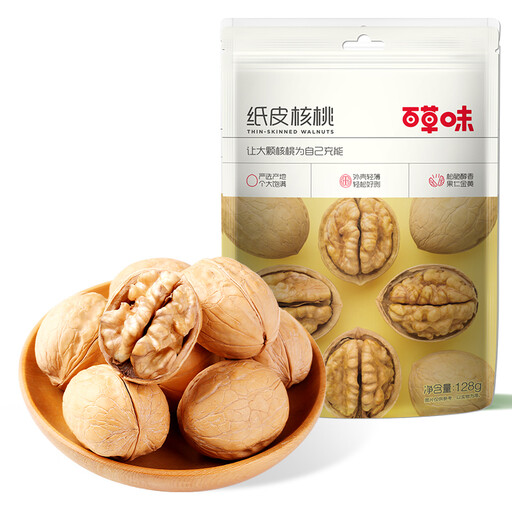
A walnut snack to consider if you’re looking for a 128 g pack; the product name says nothing about fat reduction.
The description lists individual packs and nutritional values. Check the fat and energy per 100 g for comparison.
Contains walnuts.
 No image available
An option if unsalted peanuts suit your preference; unsalted doesn’t automatically mean less fat.
The description mentions sunflower oil and nutritional values. Check the full ingredients list and compare the fat and energy per 100 g.
Contains peanuts and may contain cashew nuts.
 No image available
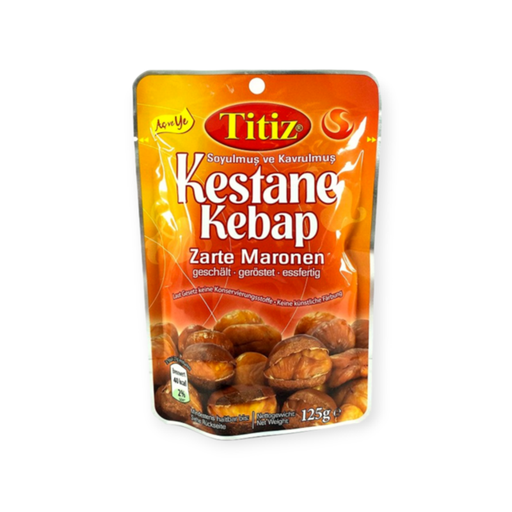
Peeled, roasted chestnuts are a different kind of snack to serve alongside nuts; that doesn’t automatically make them a low-fat alternative.
The description lists 100% chestnuts and nutritional values. Compare the fat content per 100 g in the product information.
 No image available
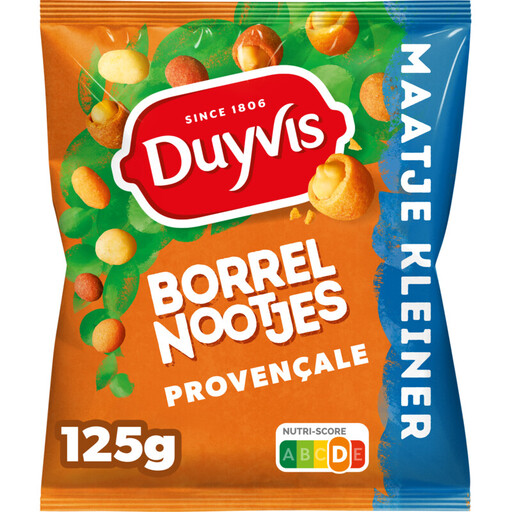
A seasoned peanut snack to compare if flavour and portioning matter to you; the product name isn’t a lower-fat claim.
The description mentions onion and garlic flavour, 30 g portions and 4–5 portions per pack. Check the nutritional values for this version.
Contains peanuts and wheat; may contain milk, nuts, soya and mustard.
 No image available
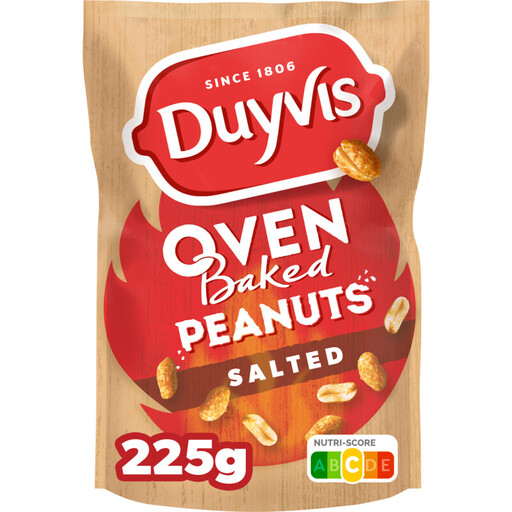
Roasted peanuts can be a classic snack to serve with drinks; roasted doesn’t automatically mean less fat.
The description lists 7–8 portions per pack and nutritional values. Compare the fat and energy per 100 g with the snack you’re considering.
Contains peanuts and may contain nuts.
Don’t treat these descriptions as the same selection criterion. The European Commission states that the ‘low fat’ claim for solid foods means no more than 3 g of fat per 100 g. For a ‘less fat’ claim, also check which product is used for comparison and compare the nutritional values per 100 g.
Compare the nutritional values per 100 g, including energy, fat, saturated fat, carbohydrates, sugars, protein and salt. The European Commission specifies per 100 g or 100 ml as the basis for nutrition information. Business.gov.nl states that label information in the Netherlands must be available in Dutch and must also be shown online.
Check the allergen information on the exact pack before buying. The NVWA lists peanuts and nuts as allergens that must be declared on prepacked products; a lower fat content doesn’t change the need to check.
First follow the storage advice for the exact variant. For opened unsalted cashew nuts, the Netherlands Nutrition Centre recommends 6 months in a kitchen cupboard and 1 year in the freezer; these periods don’t automatically apply to every snack nut. Nuts that are rancid, chewy or mouldy are signs that you shouldn’t eat them.