
Planning breakfasts for the week
If you’re choosing oats for several mornings at once, pack size and a simple ingredients list are useful starting points. With plain oats, you decide how much to use for each breakfast.


For several breakfasts during the week, plain oats make a simple starting point: compare the ingredients and sugar content per 100 g. Portion sachets are a good fit if measuring and preparation time matter more to you; crunchy granola is a different type of breakfast product, even when the packaging says it contains no added sugars. If you have coeliac disease, you’ll also need to check separately whether the oats are suitable.
If you’re choosing oats for several mornings at once, pack size and a simple ingredients list are useful starting points. With plain oats, you decide how much to use for each breakfast.
On workdays, you may not want to measure out oats every time. Plain portion sachets give you set portions and a quick preparation time; just check how many sachets you’ll need for the week.
If sugar content or whether oats are suitable for coeliac disease is a deciding factor, look beyond the front of the pack. Check the sugars per 100 g and, for gluten, consult the information on the current label and the certification mark.
First decide whether you want plain flakes, measured portions or a crunchy breakfast product. Then check the nutritional information for your chosen product: under EU Regulation (EC) No 1924/2006, the EU ‘low sugars’ claim for solid foods has a limit of 5 g of sugars per 100 g.
| What to consider | What to check when buying | Who it matters to |
|---|---|---|
| Weekly supply and ingredients | If you’re looking for plain oats, check the pack size, ingredients and sugars per 100 g. | I want to make several breakfasts from one pack and decide for myself what to add to the oats. For around 42% of consumers, a simple weekly staple like this comes first. |
| Preparation and portions | Compare the portion size and preparation method; also check the sugars in the dry product per 100 g. | On busy mornings, I don’t want to measure out oats every time and would like a set portion that’s quick to prepare. This convenience is the top priority for around 33% of consumers. |
| Label and dietary suitability | Read the ‘of which sugars’ value per 100 g and the allergen information. For coeliac disease, the Voedingscentrum recommends oats bearing the official Crossed Grain trademark. | A suitable sugar level or clear information about gluten determines which pack I can choose. Around 25% of consumers put this label check ahead of the other considerations. |
A product with no added sugars can still contain sugars. For the EU ‘low sugars’ nutrition claim, solid foods must contain no more than 5 g of sugars per 100 g.
So check the ‘of which sugars’ line in the nutrition table per 100 g, even on products with a prominent claim on the front of the pack.
Quaker Cruesli Zero Sugar Added Naturel is a blend of ingredients. Jumbo lists 3.7 g of sugars and 17 g of fat per 100 g for this variety; its ingredients differ from those of plain oats.
Choose according to the type of product you want: crunchy granola to eat straight away, or plain oats as a base to which you can add your own ingredients. Check the nutritional information for the specific variety.
According to the Voedingscentrum, ordinary oat products may be unsuitable for people with coeliac disease because of contact with gluten. The words ‘oats’ or ‘wholegrain’ on the pack do not, on their own, tell you whether the product is suitable.
If you have coeliac disease, look for the official Crossed Grain trademark and check the current packaging and allergen information.
The range discussed includes plain porridge oats, quick plain portions, a soya protein variety and crunchy granola.
Jumbo sells its own-brand oats, including fine wholegrain oat flakes and a larger pack for repeated use.
According to Albert Heijn’s product information, Brinta Porridge Oats are made from oat flakes; the fine flakes are intended for cooking as a warm breakfast.
The range includes different types of porridge oats, including fine wholegrain flakes and a separately labelled gluten-free variety.
This ALDI own-brand range includes fine and jumbo wholegrain porridge oats in different pack sizes.
These products include porridge oats for several breakfasts, a quick Express variety and crunchy granola. Granola is a different type of product from plain porridge oats, so compare the nutritional information for the variety you choose.
 No image available
A pack of porridge oats to divide between several breakfasts. To check whether it meets your sugar target, look at the nutritional information per 100 g; if you have coeliac disease, also check the allergen information and official certification mark.
 No image available
An Express variety for anyone who wants a measured portion on workdays. Check the preparation method and nutritional information on this pack; if you have coeliac disease, check the allergen information and certification mark separately.
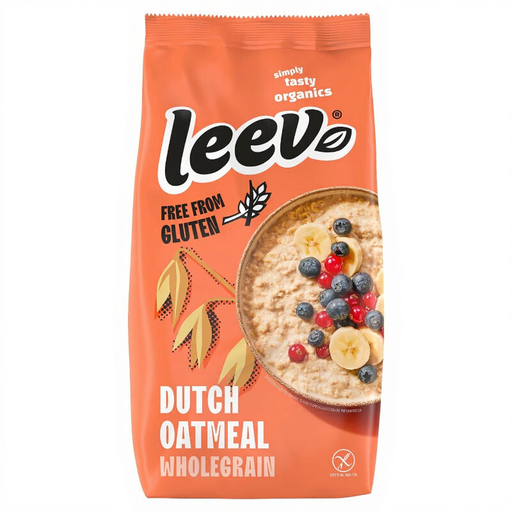 No image available
A pack of porridge oats for regular breakfasts. The gluten information for this variety is contradictory; if you have coeliac disease, don’t rely on the product name. Check the packaging, allergen information and certification mark before choosing it.
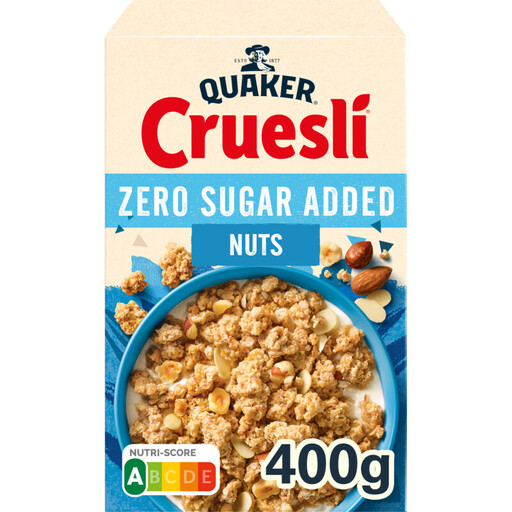 No image available
Crunchy granola for anyone who isn’t looking for plain oat flakes. Don’t take ‘Zero Sugar’ in the product name as a substitute for the nutrition table: check the sugars per 100 g and, if you have allergies, read the current ingredients information.
Not automatically: they may still contain naturally occurring sugars. Under EU Regulation (EC) No 1924/2006, the ‘low sugars’ nutrition claim for solid foods means no more than 5 g of sugars per 100 g. So check the ‘of which sugars’ value in the nutrition table on the pack you choose.
Ordinary porridge oats are not automatically suitable for people with coeliac disease, as the Voedingscentrum says oat products may come into contact with gluten. The Voedingscentrum recommends oat products bearing the official Crossed Grain trademark; also check the current label.
No. The nutritional value for porridge made with semi-skimmed milk includes more than the dry flakes. To compare packs, look at the nutritional information for the dry product per 100 g, and assess any added milk or toppings separately.
Check the packaging of the specific product. Lidl Netherlands directs customers to the packaging or to contact customer services about a specific product for information on ingredients, allergens and nutritional values of food products.