
Sugar-conscious lunch shopper
Wants to compare crispbread for a university lunch by sugar content per 100 g, rather than relying on a claim or the amount per cracker.


Choose crispbread for a sugar-conscious university lunch by comparing similar products’ sugar content per 100 g, rather than relying on a claim such as ‘low sugar’. Then compare fibre, salt and allergens, and factor in your toppings too: the nutritional value of the crispbread alone doesn’t tell you about the whole lunch.
Wants to compare crispbread for a university lunch by sugar content per 100 g, rather than relying on a claim or the amount per cracker.
Looking for a wholegrain lunch base and comparing fibre per 100 g. If gluten needs to be avoided, the ingredients and allergen information remain decisive.
Considers pack size and storage instructions, but also needs to check that the crispbread and chosen toppings suit everyone sharing the lunch.
For a university lunch, start by comparing the nutritional information per 100 g. Then check whether the ingredients, pack and toppings suit how you plan to use it.
| What to consider | What to check | Who it matters to |
|---|---|---|
| Sugars | Compare ‘of which sugars’ per 100 g across similar crispbreads; check your toppings separately. | If I want to compare the sugar content of my lunch, I need to know what’s in the whole product, not just one cracker. Around 40% of consumers prioritise this sugar comparison. |
| Fibre and wholegrains | Check the grains in the ingredients list and compare fibre per 100 g. | When crispbread is a regular lunch staple, I want to consider fibre content as well as sugars. Around 30% of consumers prioritise this balance. |
| Allergens | Check both the ingredients and the ‘contains’ and ‘may contain’ statements on the current packaging. | When I’m shopping for someone with a food restriction, the product must meet that requirement first. This check is the top priority for around 20% of consumers. |
| Packaging and storage | Compare the net weight, number of portions and storage instructions with what you need. | For a shared supply, I want to choose a pack that suits the number of lunches and how it will be stored. Around 10% of consumers prioritise these practical considerations. |
A claim on the pack doesn’t tell you which crispbread has the least sugar compared with others. According to Albert Heijn’s product information, Wasa Lichtgewicht contains 3,5 g of sugars per 100 g, while Wasa Volkoren contains 1,5 g per 100 g.
First compare the ‘of which sugars’ figure per 100 g, then consider fibre, salt and ingredients too.
The nutritional value of a cracker doesn’t tell you about the nutritional value of a lunch with toppings.
Check the nutritional information and ingredients for your chosen toppings too, especially if sugars or allergens are key to your decision.
The wholegrain varieties reviewed contain gluten-containing grains. Information about other ingredients, including milk or sesame, varies by product.
Check the current packaging and, if you need to avoid gluten, choose only a product that is explicitly labelled gluten-free.
The Netherlands Food and Consumer Product Safety Authority explains that iodine compounds may be present in bakery products through bakers’ salt. That doesn’t mean every crispbread is made with bakers’ salt; according to the Netherlands Nutrition Centre, its use in bread isn’t compulsory.
If bakers’ salt is relevant to your choice, check the ingredients list or ask the manufacturer.
The varieties reviewed show why it’s useful to compare products within the same brand.
Jumbo Knäckebröd Volkoren is a wholegrain variety reviewed, sold in a 375 g pack.
Albert Heijn’s crispbread range includes its own varieties as well as products from other brands.
This selection includes plain crispbread for adding your own toppings and filled crispbread sandwiches for a ready-to-eat snack. Think of them as different ways to put together a university lunch: a sandwich isn’t a neutral base for your own toppings.
 Image unavailable
A crispbread option to top yourself for lunch. The pack contains 265 g; check the current nutritional information and allergens when choosing.
 Image unavailable
A 375 g pack for anyone stocking up on crispbread for several lunches. Before buying, compare the nutritional information and allergen statement.
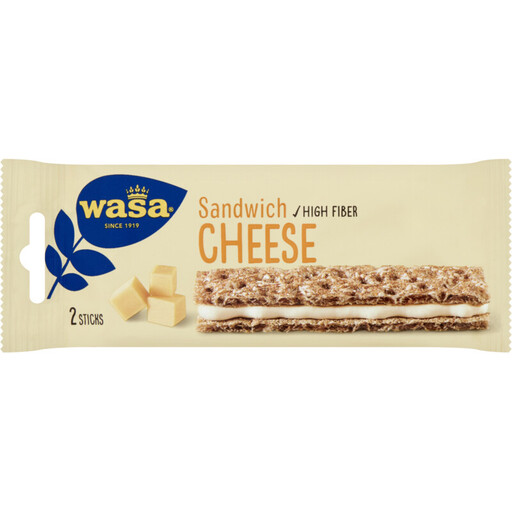 Image unavailable
A filled crispbread sandwich for anyone looking for a snack without having to choose their own toppings. The pack contains 3 portions of 31 g; assess the nutritional information for the filled sandwich as a whole.
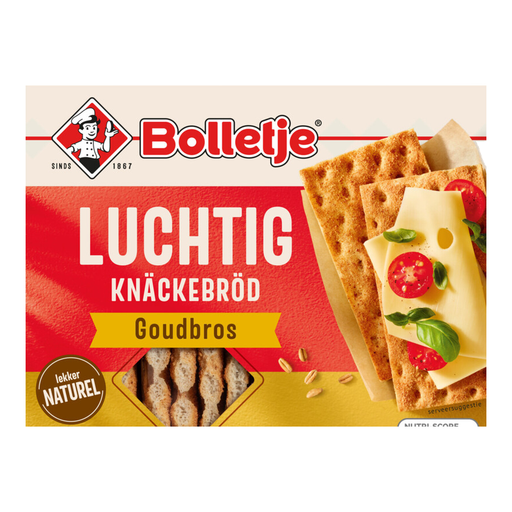 Image unavailable
A crispbread option for anyone who wants to choose their own toppings. The pack contains 240 g; don’t assume ‘Light’ means lower sugar—compare the nutritional information per 100 g.
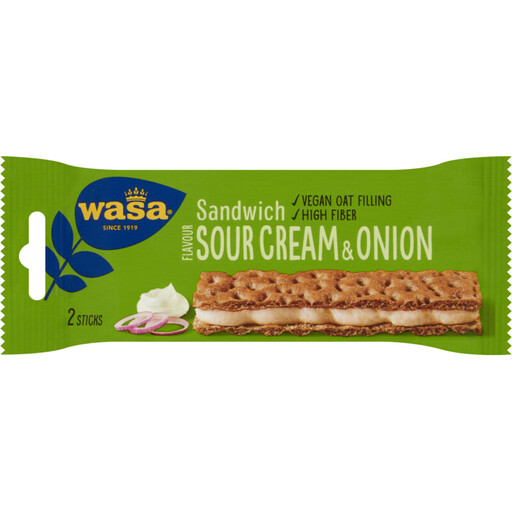 Image unavailable
A filled crispbread sandwich for a ready-to-eat snack, rather than for adding your own toppings. The pack contains 99 g; compare the nutritional information and allergens for the complete product.
Compare the ‘of which sugars’ figure per 100 g across similar products. According to the Netherlands Nutrition Centre, per-portion figures can be confusing when portion sizes vary; assess your toppings separately.
Not according to the figures listed by Albert Heijn: Wasa Lichtgewicht contains 3,5 g of sugars per 100 g, while Wasa Volkoren contains 1,5 g per 100 g. So compare the nutritional information instead of relying on ‘Lichtgewicht’.
Don’t assume wholegrain crispbread is gluten-free: the rye and wheat varieties reviewed contain gluten-containing grains. Check the current allergen information and, if needed, look for a product explicitly labelled gluten-free.
No, you can’t assume this of every product. The Netherlands Food and Consumer Product Safety Authority explains that iodine can be added through bakers’ salt, while the Netherlands Nutrition Centre says bread doesn’t have to be baked with bakers’ salt. Check the ingredients list or ask the manufacturer if this is relevant to your choice.