
Stocking up and comparing sugars
You buy several packs at a time and want to compare the amount of sugars per 100 g, rather than relying on the front of the pack.


When comparing crispbread for your cupboard, check the ‘of which sugars’ figure per 100 g first, rather than relying on terms such as ‘light’ or ‘reduced’. The Netherlands Nutrition Centre defines ‘low sugar’ for solid foods as no more than 5 g of sugars per 100 g. Before buying several packs, also check the best-before date, storage instructions and ingredients for the exact variant.
You buy several packs at a time and want to compare the amount of sugars per 100 g, rather than relying on the front of the pack.
You often eat crispbread for breakfast or lunch. Once you’ve found a sugar level that suits you, you’ll also want to check how much is in each pack and how to store it after opening.
As well as sugars, you want to check the nutritional information and ingredients for the variant you’ve chosen. Rye, other gluten-containing cereals, sesame and milk are all worth looking out for.
Start with the nutritional information per 100 g. Then work out how many packs you can store and use before opened packs are left sitting around for too long.
| What to check | Check before buying | Who should pay particular attention? |
|---|---|---|
| Sugars and claims | Compare the ‘of which sugars’ figure per 100 g. For ‘light’ or ‘reduced’ claims, check which characteristic is being compared and with what product. | If I’m stocking up on several packs, I want to know how much sugar the crispbread contains, whatever the wording on the front. For around 36% of consumers, the sugar level is the most important factor. |
| Storage after opening | Check the best-before date on each pack and follow the storage and resealing instructions on the packaging. | I don’t want an opened pack in the cupboard to lose its crispness while the rest of my supplies are still sealed. Around 29% of consumers prioritise keeping the product in good condition. |
| Pack size | Compare the weight of each pack with how quickly you usually finish an opened one. | If you eat crispbread often, you’ll want to have enough in the cupboard without opening more packs than necessary. Pack size is the main priority for around 21% of consumers. |
| Fibre, salt and ingredients | Read the nutritional information per 100 g and check the ingredients and allergens for the exact variant. | If I need to watch out for particular ingredients, a suitable sugar level alone isn’t enough to decide which packs to buy. These product features are the deciding factor for around 14% of consumers. |
According to the Netherlands Nutrition Centre, ‘light’ means a product contains at least 30% less of a stated characteristic, such as sugars, fat or energy, than a comparable product. It doesn’t tell you the product’s absolute sugar content.
So check the ‘of which sugars’ figure per 100 g. The Netherlands Nutrition Centre defines ‘low sugar’ for solid foods as no more than 5 g of sugars per 100 g.
Once a pack is open, you need to store it carefully: moisture can make the crispbread less crunchy. The product information for Wasa Wholegrain and AH Wholegrain Crispbread says to store in a dry place and reseal well after opening.
Check the instructions on your own pack and, ideally, wait until you’ve finished one pack before opening the next.
Crispbread varieties differ in their cereals and allergens. For example, Albert Heijn lists rye for Wasa Wholegrain, while the Bolletje variant reviewed also contains wheat, barley and sesame.
Check the ingredients and allergens on the packaging for every variant. Don’t assume that all crispbread contains iodised baker’s salt either.
Wasa offers several rye and wholegrain varieties. Compare the exact product packaging, as nutritional information differs between variants.
The own-brand range includes AH Wholegrain Crispbread in a 375 g pack.
Bolletje has a wholegrain crispbread variant whose product description highlights its fibre content.
The Original variant is a rye crispbread that can be used for comparison. The nutritional information shown here comes from Ryvita International and relates to the UK variant.
This selection includes packs of crispbread and smaller crispbread sandwiches. If you’re mainly looking to stock up for home, compare the pack size and information for the exact variant before adding the sandwiches to your shortlist.
 Image unavailable
A pack of crispbread for comparing the sugar level of a wholegrain variety. Albert Heijn lists 1.5 g of sugars per 100 g for Wasa Wholegrain. Before stocking up, check the best-before date and ingredients on the pack.
 Image unavailable
For comparing fibre as well as sugars. Check the nutritional information per 100 g and the ingredients for this High-Fiber variant. The pack contains 300 g.
 Image unavailable
A 265 g pack for anyone considering wholegrain crispbread for their cupboard. Compare the nutritional information and allergens for this variant before choosing several packs.
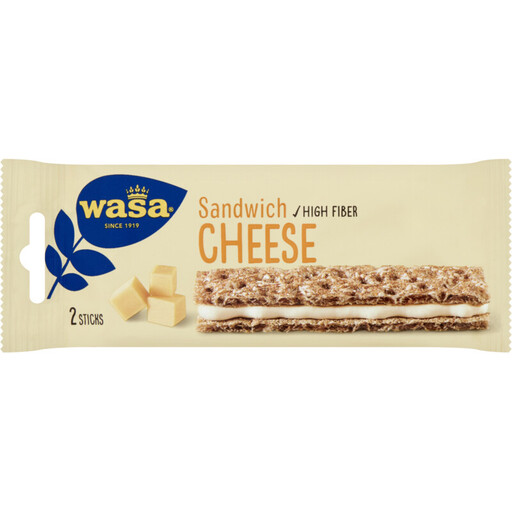 Image unavailable
This cheese-filled crispbread sandwich is a portion-sized option, not a large pack of plain crispbread. The packaging lists three 31 g portions. Check the ingredients for the finished product.
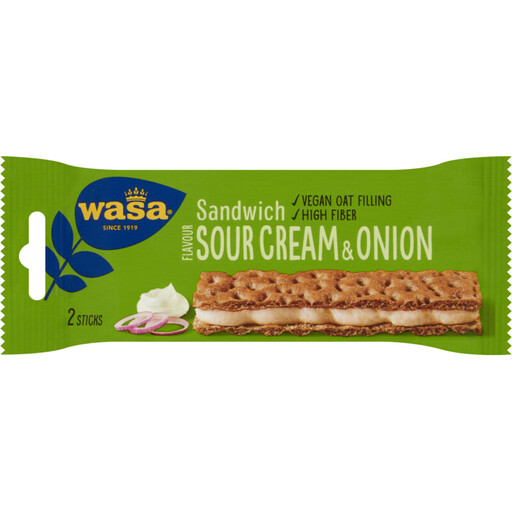 Image unavailable
A 99 g crispbread sandwich pack if you’re looking for a smaller option. Compare the nutritional information and ingredients for this flavoured variety separately from those for plain crispbread.
The Netherlands Nutrition Centre defines ‘low sugar’ for solid foods as no more than 5 g of sugars per 100 g. Check the ‘of which sugars’ figure per 100 g on the packaging, even if the term doesn’t appear on the front.
No. ‘Reduced’ describes a difference compared with a similar product, while ‘low sugar’ refers to the absolute amount of sugars. According to the Netherlands Nutrition Centre, a comparative claim means at least 30% less of the stated characteristic. So remember to check the figure per 100 g too.
Follow the storage instructions and check the best-before date on every pack. The product information reviewed for Wasa and Albert Heijn says to store in a dry place and reseal well after opening. Check which instructions apply to your variant.
No, you can’t assume that all crispbread does. The Netherlands Food and Consumer Product Safety Authority outlines conditions for using baker’s salt as a source of iodine in bakery products, but this doesn’t confirm the ingredients of any individual pack. Check the ingredients or ask the manufacturer about the variant you’ve chosen.
No. The Wasa and Ryvita rye variants reviewed contain gluten, and the Bolletje variant reviewed also contains wheat and barley. If you need to avoid gluten, read the allergen information for the exact product.