
Anyone comparing sugar values
You want to choose crackers for your meeting based on their ‘of which sugars’ value per 100 g, rather than relying on wording on the front of the pack.


If sugar content is your priority when choosing snacks for a work meeting, compare crackers by their ‘of which sugars’ value per 100 g, and check the allergens and toppings too. Jumbo lists 0.3 g of sugars per 100 g for its Organic Wholegrain Crackers; Albert Heijn lists 1.6 g of sugars and 13 g of fibre per 100 g for its AH Hearty Wholegrain Crackers. A low sugar value does not automatically make a cracker suitable for everyone, and says nothing about the topping you choose.
You want to choose crackers for your meeting based on their ‘of which sugars’ value per 100 g, rather than relying on wording on the front of the pack.
You’re looking for a wholegrain cracker for lunch or a coffee break, and want to check its fibre content as well as its sugar value.
Attendees have specifically asked for fewer carbohydrates. Treat this as a different need from a low sugar content.
First decide whether sugar, wholegrains and fibre, or a specific request for fewer carbohydrates is the main priority. Before serving, check the allergens on the current packaging for every option.
| What to consider | What to check when buying | Who it matters to |
|---|---|---|
| Sugars | Compare ‘of which sugars’ per 100 g in the nutrition table. Don’t confuse a low value with the claim ‘reduced sugars’. | I want to serve low-sugar crackers without relying on a claim on the front of the pack; around 42% of consumers prioritise sugar content. |
| Wholegrains and fibre | Check that the product is labelled ‘wholegrain’ and compare fibre and sugars per 100 g. | I want to offer wholegrain crackers with fibre for lunch; around 33% of consumers prioritise this. |
| Carbohydrates | Ask whether the request is specifically about carbohydrates, then check both carbohydrates and sugars per 100 g. | If attendees ask for fewer carbohydrates, I want to treat that request separately; around 25% of consumers prioritise this. |
Carbohydrates and sugars are listed separately in the nutrition table. So a product name referring to fewer carbohydrates does not automatically answer the question of how much sugar it contains.
Ask which value matters to the attendees. If the aim is to limit sugar, compare ‘of which sugars’ per 100 g.
According to the Netherlands Food and Consumer Product Safety Authority, the comparative claim ‘reduced sugars’ requires at least 30% less sugar than a similar food, as well as an equal or lower energy value. A low value on its own does not meet these conditions.
If you can’t assess whether the conditions for the claim are met, it’s better to communicate the actual value shown on the label.
The ‘wholegrain’ label doesn’t tell you which cracker has the lowest sugar value. When catering for a group, you should also consider allergens, including cereals and sesame in some varieties.
Compare the nutrition information per 100 g and read the allergens list on the pack before serving.
The cracker is only one part of what you’re serving; toppings have their own nutritional values and ingredients lists.
Choose a topping that fits the purpose of the meeting. The Netherlands Nutrition Centre suggests options including vegetables, fruit, eggs and pulses.
Jumbo Organic Wholegrain Crackers are a wholegrain option containing ingredients such as wheat, sesame and linseed.
AH Hearty Wholegrain Crackers are an own-brand option with sesame seeds and linseed.
Melba Wholegrain Crackers are a light, wholegrain option with sesame.
Bolletje offers products including 45% Seed Crackers Sunflower Seeds and Protein & Low Carb Crackers.
ALDI sells Goud Gebakken crackers, including wholegrain varieties and a low-carb option.
Lidl lists Tastino Luxe wholegrain crackers as a 210 g option.
These Joybuy products may be worth considering for specific requests at a work meeting, such as wanting fewer carbohydrates or preferring wholegrain crackers. If sugar is your priority, compare the ‘of which sugars’ value per 100 g on the packaging before choosing.
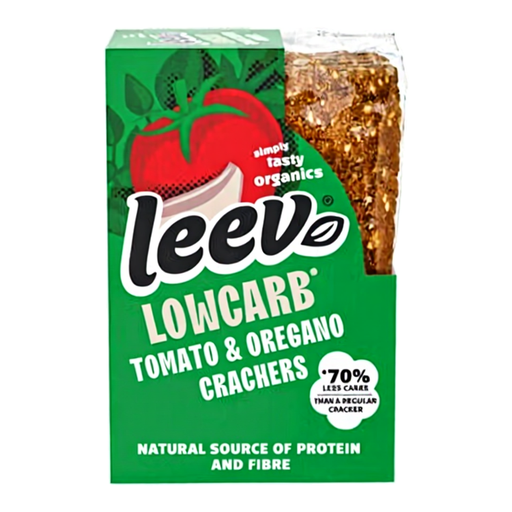 Image unavailable
An option to consider when attendees specifically ask for fewer carbohydrates. If sugar is your priority, also compare ‘of which sugars’ per 100 g and check the allergens on the packaging before serving.
 Image unavailable
A cracker to consider if fibre is a factor in your choice for the meeting. Check the nutrition information per 100 g for this variety and make sure it’s suitable for those attending by checking the allergens.
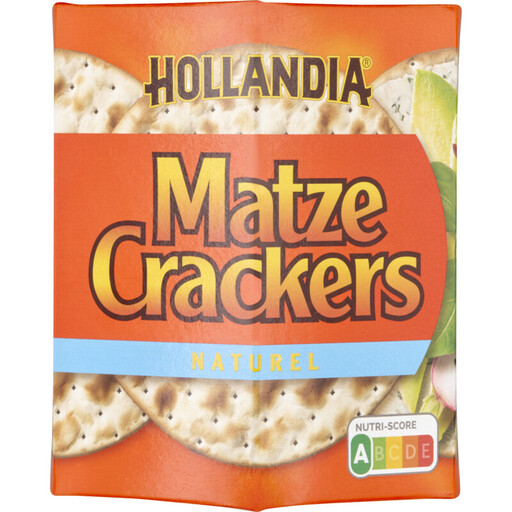 Image unavailable
A plain cracker to consider for a simple snack. If sugar content is a deciding factor, check the current nutrition table and read the allergens on the packaging before serving to a group.
 Image unavailable
A rye option to consider if the type of grain matters. Before comparing this variety by sugar content, check ‘of which sugars’ per 100 g on the current packaging, and read the allergen information too.
 Image unavailable
A wholegrain option to consider for your work meeting. Compare sugar values on a consistent per-100 g basis, and check the allergens on the current packaging.
No. According to the Netherlands Food and Consumer Product Safety Authority, to use the claim ‘reduced sugars’, a food must contain at least 30% less sugar than a similar food, while its energy value must be equal to or lower. A low sugar value per 100 g does not, on its own, prove that these conditions have been met.
No. The term refers to carbohydrates and does not, on its own, tell you how much sugar a cracker contains. If sugar is your priority, check ‘of which sugars’ per 100 g in the current nutrition table.
Ask attendees in advance about any relevant allergies, and read the allergen information on the current packaging for every cracker you choose. The wholegrain varieties mentioned here include cereals containing gluten and sesame; don’t assume they’re suitable for everyone just because they’re labelled ‘wholegrain’.
Yes. The topping is a separate part of what you’re serving. Check the ingredients and nutrition information for your chosen topping; the Netherlands Nutrition Centre suggests options including vegetables, fruit, eggs and pulses.