
Sugar-conscious office or home worker
You’re looking for something to eat in the late morning and want to compare the sugar content on the back of the pack, rather than relying on a claim on the front.


When choosing a cracker for a mid-morning break, first compare the ‘of which sugars’ values per 100 g and per cracker. Then decide which other values matter for your snack, such as fibre, protein, fat and salt: wholemeal, low-carb and light don’t tell you on their own which cracker contains the least sugar. Check the allergens too, along with whatever you eat on top.
You’re looking for something to eat in the late morning and want to compare the sugar content on the back of the pack, rather than relying on a claim on the front.
You’re looking beyond sugar and want to know how the crackers compare on fibre and protein before choosing one for your snack.
As well as the nutritional values, you need to check the ingredients and allergens. The regular and low-carb varieties described here include allergens such as cereals containing gluten, sesame, soya and lupin.
First decide which feature matters most for your morning break. Then compare nutritional values on the same basis and check how much you’ll actually eat per cracker.
A good fit if: you want a wholemeal variety and would also like to compare the fibre content.
Bear in mind: wholemeal on its own says nothing about the sugar or salt content per portion.
A good fit if: you want to consider protein and carbohydrates as well as sugar.
Bear in mind: check the fat, salt and allergens too; low-carb is no substitute for checking the sugar value on the label.
A good fit if: you’re mainly looking for a base for your choice of topping.
Bear in mind: your topping contributes to the sugar content of the whole snack.
| What to consider | What to check when buying | Who it matters to |
|---|---|---|
| Sugar content | Compare ‘of which sugars’ per 100 g, then check the amount per cracker or portion. | I want the cracker itself to be low in sugar, but I also want to know how much I’ll eat during my break. For around 36% of consumers, sugar content comes first. |
| Fibre and protein | Compare the fibre and protein values with those for sugar, fat and salt. | I don’t want to choose my snack based on sugar alone; fibre or protein matters more to me. Around 29% of consumers give these nutritional values top priority. |
| Ingredients and allergens | Read the current ingredients and allergen information, including any relevant ‘may contain’ statements. | If I need to avoid certain ingredients, the information on the pack takes priority over the sugar figure. This is the most important consideration for around 21% of consumers. |
| Packaging and availability | Check the pack size, number of crackers and current availability of the variety you want. | I want a pack with portions that suit my regular morning break and that’s easy to buy. Around 14% of consumers put the greatest emphasis on this. |
These terms don’t all describe the same thing. For example, Jumbo lists 14.0 g of fibre and 3.9 g of sugars per 100 g for its Luchtige Crackers Vezelrijk; the fibre value doesn’t replace a comparison of sugar content.
Check ‘of which sugars’ per 100 g and per portion, and look at the other nutritional information too.
The nutritional values for the cracker alone don’t describe the whole snack if you add a topping.
Compare the cracker and topping together if you want to check the sugar content of your morning snack.
The low-carb varieties described list various allergens, including cereals containing gluten, sesame, soya and lupin. A low sugar value doesn’t make this information any less important.
Before buying, check the allergen information for the exact variety and read any relevant ‘may contain’ statement.
Bolletje offers several types of crackers, including wholemeal and protein-focused varieties.
Thin crackers that can be used as a base for your choice of topping.
Retailer offering several types of crackers, including wholemeal varieties.
Retailer offering its own-brand crackers as well as crackers from other brands.
ALDI’s own brand, offering crispbread and other cracker products.
This selection includes rye crackers, a low-carb variety and crispbread that you might consider for a mid-morning snack. Compare the nutritional information for the exact variety before choosing.
 Image unavailable
A rye cracker to consider if you want to choose your crackers and topping separately for your morning break.
Pack size: 235 g. Check the sugar content per cracker and read the allergen information on the packaging.
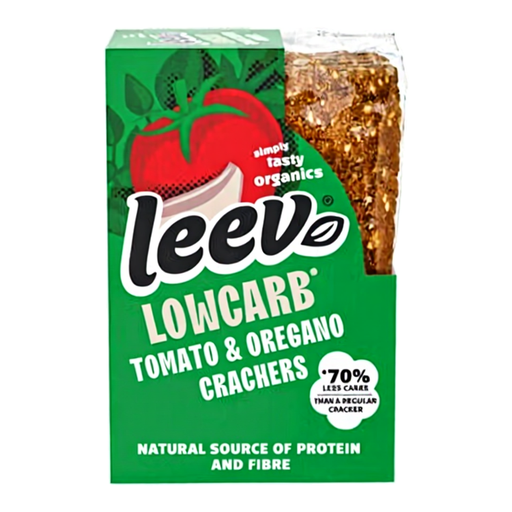 Image unavailable
A low-carb variety with tomato and oregano for anyone who wants to compare other nutritional values as well as sugar.
Pack size: 80 g. Check the current packaging for the values per portion, fat, salt and allergens; the low-carb label doesn’t tell you what these are.
 Image unavailable
An option for anyone who wants to check the fibre content of their morning cracker too.
Pack size: 300 g. Compare ‘of which sugars’ per portion and check the ingredients and allergens for this variety.
 Image unavailable
Wholemeal crispbread to consider as a base for a topping during your morning break.
Pack size: 375 g. Compare the nutritional information per cracker and, if you have dietary restrictions, check the current allergen information.
 Image unavailable
Wholemeal crispbread for anyone looking for a cracker to use as a base for a snack.
Pack size: 265 g. Check ‘of which sugars’ per cracker and remember to include any topping in your comparison.
No, the low-carb label is no substitute for checking the ‘of which sugars’ value. Compare that value on the packaging and check the fat, salt and allergens for the exact variety too.
Use both values: per 100 g lets you compare products on the same basis, while the value per cracker shows what’s in your portion. The weight of each cracker can vary.
The right cracker depends on what matters most to you: sugar, other nutritional values or ingredients you avoid. Check the nutritional information and ingredients on the packaging, and include any topping in your decision if relevant.
Store crackers in a cool, dry place and seal the pack securely after opening. Also follow the storage instructions for your chosen variety.