For conference catering, compare the ‘of which sugars’ value per 100 g for the exact cracker, rather than relying on terms such as ‘light’ or ‘low carb’. Then choose a format that works with your toppings and serving arrangements, and check the allergens in both the cracker and the finished canapé before serving it unpackaged.
Who is this choice relevant to?
Organisers working to a sugar target
You want to buy crackers based on a verifiable sugar value per 100 g. If the catering brief specifically asks for a reduced-sugar claim, you’ll need to assess that separately; a low figure alone does not make the same claim.
Caterers serving guests with different dietary needs
You’re serving crackers with a range of toppings, possibly without the original packaging. Check the ingredients and allergens for each cracker and topping, so you can give guests information about the food being served.
Event teams planning service
You’re choosing between topped crackers for a break and smaller bites for a reception. The format needs to suit the topping, the time between preparation and serving, and the way guests will pick up their food.
What should you look for when choosing?
First, decide which sugar value you want to compare across the crackers. Then assess the allergens in the finished canapé and test whether the chosen format works for your planned service.
| What to consider |
What to check when buying |
Who it matters to |
| Sugar content |
Compare the ‘of which sugars’ value per 100 g on the packaging of the exact variant. Check any reduced-sugar claim separately. |
If my catering brief includes a sugar target, I want to be able to compare products on a like-for-like basis. For around 36% of consumers, having a verifiable sugar value is the top priority. |
| Allergen information |
Check the ingredients and allergens in both the crackers and toppings, and make sure the information is accessible when serving them unpackaged. |
At a buffet, I want to be able to tell guests which allergens are in the food being served. Around 36% of consumers give this information the highest priority. |
| Serving style and freshness |
Try the format with your planned toppings and waiting time; also follow the storage instructions on the packaging. |
For a reception, I want bites that guests can pick up easily and enjoy throughout service. For around 28% of consumers, the serving style matters most. |
A cracker with a low sugar value per 100 g does not automatically qualify for a reduced-sugar claim. According to the Netherlands Food and Consumer Product Safety Authority, this comparative claim requires at least 30% less sugar and an energy content that is equal to or lower than that of a similar food.
Common purchasing pitfalls
-
Assuming ‘less sugar’ means a fixed sugar threshold
A comparative claim and the absolute amount of sugars per 100 g answer different questions. A low sugar value also doesn’t automatically make a product suitable to market as ‘reduced in sugars’.
Set out your own sugar target in the catering brief. If you also need a formal claim, check the claim and comparison for the exact variant.
-
Leaving the toppings out of your assessment
The cracker is only one part of a topped bite. Toppings can change the sugar content and the allergens in what you serve.
Check the cracker, topping and portion for each finished bite. Provide allergen information for the food as it is served to guests.
-
Relying only on the original packaging label
When food is served unpackaged, guests won’t automatically have access to the label. The Netherlands Food and Consumer Product Safety Authority says that food businesses must inform guests about allergens in food.
Make sure the information for every cracker and topping is available when guests are choosing or eating.
-
Trying the format for the first time at the event
A cracker that works well on its own may be less practical with your chosen topping and planned waiting time.
Before the event, try a small quantity with the actual topping and planned presentation. Store any unused crackers according to the instructions on the packaging.
Brands to compare
Compare the exact variant: sugar values, allergens and serving formats can vary even within the same brand.
Bolletje
Protein & Low Carb Crackers are worth considering if you want to compare fibre and protein as well as sugars in the nutritional information.
- According to the product information from Albert Heijn, this variant contains 2.8 g of sugars, 17 g of fibre and 35 g of protein per 100 g.
- The listed allergens include gluten and sesame; possible traces of egg, milk and nuts also need to be considered. This information does not apply to all Bolletje crackers.
Melba
Melba Crackers Naturel are thin crackers to consider for a small topped bite.
- The product information for this variant lists 3.1 g of sugars per 100 g.
- Check the allergens on the packaging of your chosen variant and in the toppings before serving the crackers to guests.
Albert Heijn
AH Stevige crackers volkoren are a wholegrain option for a topped snack during a break.
- Albert Heijn lists 1.6 g of sugars, 13 g of fibre and 0 g of added sugars per 100 g for this variant.
- According to the product information, it contains sesame, barley, rye and wheat, among other ingredients. Check the current packaging for full allergen information.
Jumbo
The range includes light and high-fibre crackers in a plain flavour; choose a format to suit your planned toppings.
- Jumbo lists 3.5 g of sugars per 100 g for the plain variant and 3.9 g per 100 g for the high-fibre variant.
- Both variants contain gluten-containing cereals. The product information advises resealing opened packs carefully and using the crackers within a few days.
Lidl
Lidl Netherlands lists light and high-fibre crackers in a plain flavour among its shop products.
- These two variants offer a choice of cracker format and ingredients.
- Compare the sugars per 100 g and the allergens on the packaging of the variant you actually buy.
ALDI
ALDI Netherlands lists Goud Gebakken Low Carb Crackers and Sun Snacks mini-crackers for different serving occasions.
- ALDI lists 1.2 g of carbohydrates per cracker for Goud Gebakken Low Carb Crackers; the mini-crackers are described as a snack to enjoy with drinks.
- Carbohydrates per cracker are not the same as sugars per 100 g. Check the sugar value and allergens on the packaging of the exact variant for both products.
Crackers for conference catering on Joybuy
These crackers offer a range of flavours, textures and pack sizes to compare for a conference. If you’re working to a sugar target, always check the ‘of which sugars’ value per 100 g on the current packaging; assess toppings and allergens separately.
 Image unavailable
Wasa Sourdough Rye crackers, 235 g
Consider these rye crackers for a topped snack during a break. Compare the sugars per 100 g and check the allergens before serving them unpackaged.
Pack size: 235 g.
View on Joybuy
 Image unavailable
Wasa High-Fiber crackers, 300 g
Include this variant in your comparison if you’re also considering fibre for your break catering. Check the latest nutritional information for sugars per 100 g and check the allergens.
Pack size: 300 g.
View on Joybuy
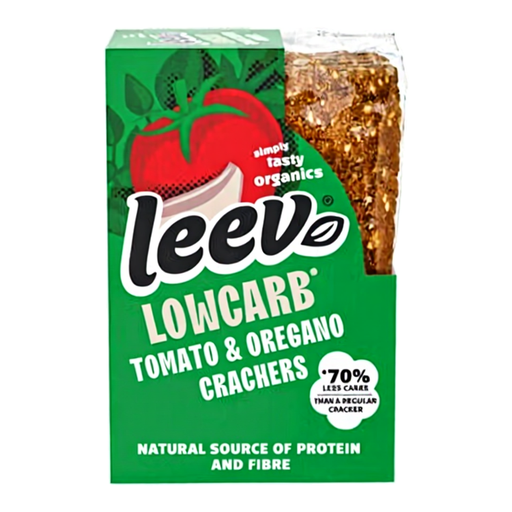 Image unavailable
Leev Organic Low-Carb Tomato Oregano crackers, 80 g
The tomato and oregano flavour could work well for a savoury snack. Don’t assume that ‘Low-Carb’ indicates a particular sugar value or a reduced-sugar claim: check the nutritional information and allergens for this variant.
Pack size: 80 g.
View on Joybuy
 Image unavailable
g'woon Wholemeal Crispbread, 375 g
This wholemeal crispbread is worth trying with your planned toppings for a lunch break. Compare the sugar value per 100 g and check the allergens in the finished bite.
Pack size: 375 g.
View on Joybuy
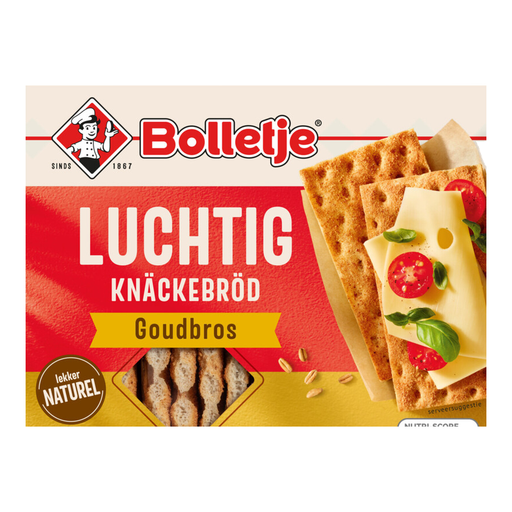 Image unavailable
Bolletje Light Crispbread Golden Crisp, 240 g
Try this crispbread with your planned toppings if you’re looking for a light serving format. ‘Light’ does not indicate a sugar value by itself: check the ‘of which sugars’ value per 100 g and check the allergens.
Pack size: 240 g.
View on Joybuy
Frequently asked questions
Are crackers automatically low in sugar?
No, sugar values vary by product. Compare the ‘of which sugars’ value per 100 g for the exact variant; for example, Albert Heijn lists 1.6 g per 100 g for AH Stevige crackers volkoren and 6.3 g per 100 g for Liga Cracotte vezelrijk.
What does ‘reduced sugar’ mean on crackers?
It’s a comparative nutrition claim, not simply a way of describing a low sugar value. According to the Netherlands Food and Consumer Product Safety Authority, the product must contain at least 30% less sugar than a similar food, while its energy content must be equal to or lower than the comparator’s.
Do I need to provide allergen information at a buffet?
Yes. Guests must be able to get information about allergens in unpackaged crackers and toppings. The Netherlands Food and Consumer Product Safety Authority highlights this information requirement; make sure the information matches the cracker and topping you actually serve.
How can I stop topped crackers from going soft?
Try your chosen cracker with the actual topping and planned waiting time in advance, and add the topping closer to serving if necessary. Store unused crackers according to the packaging; Jumbo advises resealing opened packs of its light crackers carefully.


