
Hosts looking to limit sugars as much as possible
You’re looking for a biscuit with a clearly stated low sugar content, and are happy to consider sweeteners and a different taste from a traditional biscuit.


For a birthday get-together, first compare the amount of sugars per 100 g, then look at terms such as ‘sugar-free’ or ‘less sugar’. A biscuit made with sweeteners may be suitable if you’re looking for the lowest stated sugar content, but check the ingredients, allergens and polyols too. If you’d rather serve a familiar treat, a reduced-sugar option could be a good choice, even though it still contains sugars.
You’re looking for a biscuit with a clearly stated low sugar content, and are happy to consider sweeteners and a different taste from a traditional biscuit.
You want to serve something familiar with tea or coffee, and compare reduced-sugar options with their standard counterparts.
You want to know which ingredients and allergens a biscuit contains before serving it, and whether the packaging includes a warning about sweeteners.
A good choice when: The stated sugar content is your main selection criterion.
Things to consider: Check the polyols, allergens and any warnings on the packaging too.
A good choice when: You want to serve a familiar stroopwafel or biscuit and are looking for a reduced-sugar version.
Things to consider: ‘Less sugar’ is a relative claim; the biscuit may still contain sugars.
A good choice when: You want to choose the ingredients yourself and have time to prepare for the get-together.
Things to consider: No added sugars doesn’t mean sugar-free; keep a list of ingredients available for your guests too.
| What to consider | What should you check? | Who is this most important for? |
|---|---|---|
| Sugar content | Compare ‘of which sugars’ per 100 g for similar products. Before serving, check the amount per biscuit too. | I mainly want to know how much sugar the biscuit actually contains, not just what the front of the pack says. Around 42% of consumers put the actual amount first. |
| A familiar treat | For ‘less sugar’ products, check both the stated reference product and the sugar content per 100 g. Check the number of biscuits when planning for your get-together. | I want to serve a biscuit my guests will recognise with their coffee, while choosing a reduced-sugar option. This combination matters most to around 33% of consumers. |
| Ingredients and allergens | Read the latest ingredients and allergen information. For biscuits containing polyols, check for any warnings too. | When different guests are eating together, I want to know in advance what I can offer them. Around 25% of consumers give clear ingredient information their highest priority. |
Albert Heijn states that AH Roomboter reduced-sugar stroopwafels contain 32% less sugar than the standard AH version. According to the product information, the stroopwafels still contain 23 g of sugars per 100 g.
Use the reduction claim as a starting point, then compare the ‘of which sugars’ amount per 100 g.
Ingredients can contain sugars naturally. For example, Allerhande’s biscuit recipe with no added sugars uses dates and lists 6 g of sugars per serving.
Read the nutrition information alongside the claim, especially if the actual sugar content is your main criterion.
Céréal Speculoos with almond pieces lists ingredients including wheat, almonds, egg, milk and soya. The product information also warns that excessive consumption may have a laxative effect.
Keep the packaging available for your guests and check the ingredients before putting the biscuits on the table.
Ingredients, nutritional values and allergen information can change, as Albert Heijn notes in its product information.
Read the current packaging before serving, especially if a guest needs to avoid an ingredient.
Worth considering if you want to compare biscuits with a low stated sugar content per 100 g.
A familiar stroopwafel with a sugar-reduction claim to use as a reference.
An option to consider if you want to serve individually wrapped biscuits.
A familiar coffee biscuit to use as a flavour reference for your get-together.
This product is listed as biscuits, making it an option to consider if you want to compare sugar content. The description also uses the term ‘liquorice’; check the packaging to make sure the product is suitable for your get-together.
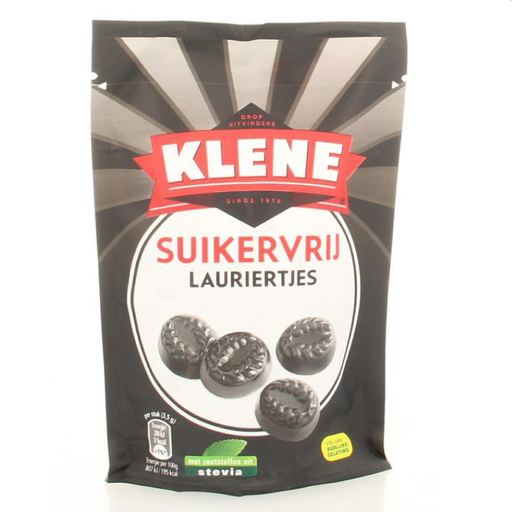 Image unavailable
Worth considering if you want to compare the sugar content of biscuits for your get-together, provided the product type on the packaging matches what you want to serve.
The product name states 110 g. Before serving, read the latest nutritional information and ingredients, and check that these are biscuits.
No. Ingredients can contain sugars naturally. Allerhande’s biscuit recipe with no added sugars uses dates and lists 6 g of sugars per serving, so check the ‘of which sugars’ figure in the nutrition information too.
For similar biscuits, start by comparing the sugar content per 100 g. The Netherlands Nutrition Centre recommends this basis for comparison. Then read the ingredients and decide how many biscuits you want to serve.
Read the warning and allergen information on the packaging before offering them to guests. The product information for Céréal Speculoos with almond pieces lists 29 g of polyols per 100 g and warns that excessive consumption may have a laxative effect.