
Vandaag of morgen in huis

Kwaliteit gegarandeerd

Welkomstaanbiedingen ontgrendelen: GRATIS bezorging | Tot 80% korting | Gratis 30 dagen JoyPlus-proefperiode
Download de app
As the owner of a lowered car, sports car, or performance model, you know that standard tools often don't cut it. A simple tire change or chassis inspection can quickly become a frustrating task if your jack doesn't fit under the car. Finding a suitable low-profile car jack seems straightforward, but the market is flooded with models that overpromise and underdeliver. Before you invest, it's crucial to understand the pitfalls.
Many buyers fall into two common traps:
To avoid a poor investment, focus on the specifications that truly matter. These are the objective criteria that determine whether a garage jack for lowered cars is right for your situation.
For an ultra-low jack, the minimum height is crucial. This is the height of the saddle in its lowest position. For most sports cars and lowered vehicles, you'll need a jack that sits lower than 100 mm. The TCE 2.5 Ton Ultra Low Profile jack, for example, has a starting height of just 85 mm, making it suitable for most low-clearance vehicles.
The maximum height is just as important. This determines how high you can lift the car. For a comfortable tire change or maintenance work, you want the wheel to be well clear of the ground. A range up to approximately 380 mm is sufficient for most passenger cars.
The lifting capacity, expressed in tons, indicates the weight the jack can safely lift. A good rule of thumb is to choose a jack with a capacity that is at least 75% of your car's total weight. Therefore, for a 2-ton car, a 2.5-ton jack is a safe and durable choice.
There are two main types:
TCE 1 Ton Scissor Jack are foldable and fit easily in the trunk.low-profile hydraulic jack is the designated choice for regular use in the garage. Always check for safety certifications like EN 1494 or CE, which indicate that the jack meets European safety standards.Not every jack is suitable for every user. Below, we match several choices to specific profiles, based on objective product features.
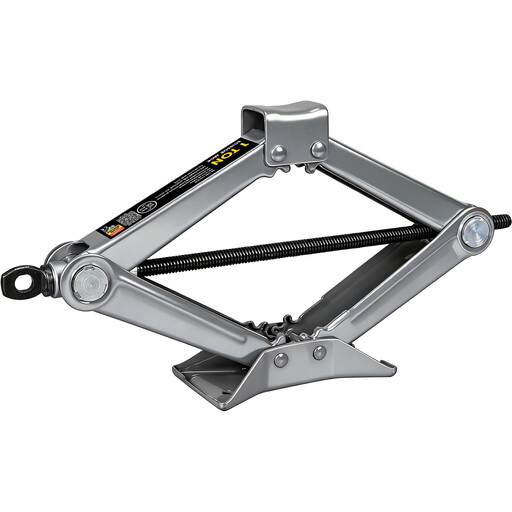
Why This Fits Their Persona: Perfect for those seeking a compact, reliable solution for emergencies. This scissor jack is foldable and fits easily in the trunk, ideal for a quick tire change on the go.
With a minimum height of 88 mm, it fits under many low cars, while its foldable design avoids the pitfall of a bulky jack for occasional use.
Ultra-compact: Folds down to just 88 mm high for easy storage. Lightweight: Easy to handle, even for less experienced users.
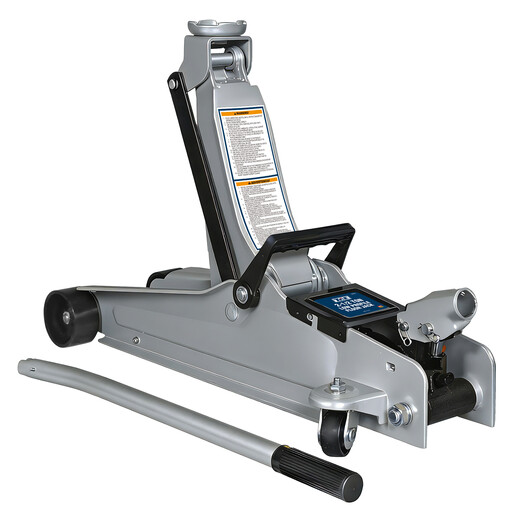
Why This Fits Their Persona: For the car enthusiast who regularly performs maintenance on a `sports car jack` or lowered vehicle. This hydraulic `floor jack` offers stability, power, and ease of use.
The combination of an 85 mm ultra-low entry and a robust 2.5-ton lifting capacity with EN 1494 certification addresses both pitfalls: it fits and it's safe.
Professional-grade specs: Suitable for supercars and performance cars. Safety: Meets the strict European EN 1494 standard and is CE certified.
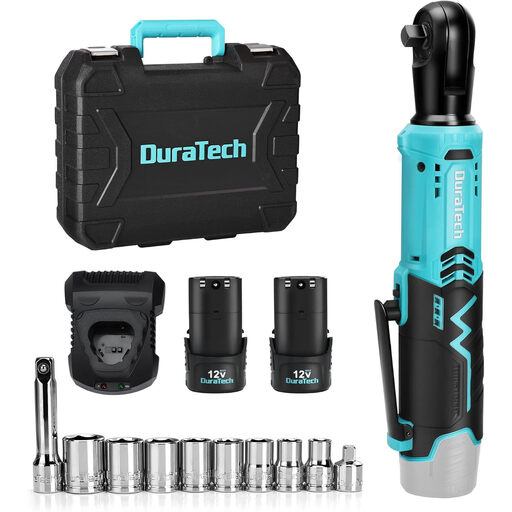
Why This Fits Their Persona: This isn't a jack, but an essential `tire changing tool`. After the car is lifted, this electric ratchet wrench significantly speeds up loosening and tightening lug nuts. Ideal for anyone looking to save time.
This tool tackles the 'wasted time' pitfall. Manually loosening lug nuts is a slow task. This set makes the process more efficient and less strenuous.
Speed: Powerful motor with 65 Nm of torque. Complete Kit: Comes with 2 batteries, a fast charger, and 10 sockets, so you can get started right away.
We have curated a complete, up-to-date list of products that fully meet these strict selection criteria and safety regulations.
Check your car's total weight (found on the vehicle registration or in the owner's manual). Choose a jack with a lifting capacity of at least 75% of this total weight. This ensures a safe margin and extends the life of the jack. For a car weighing 1,800 kg, a 2-ton (2,000 kg) or 2.5-ton jack is a wise choice.
For regular use in the garage, a hydraulic jack is superior. It is more stable, requires less physical effort, and lifts the car more smoothly. However, a scissor jack is lighter, more compact, and cheaper, making it an excellent choice as an emergency solution to keep in the car.
Only place the jack on the jacking points specified by the manufacturer. These points are reinforced to support the car's weight without damaging the chassis. The locations are usually indicated in your car's owner's manual. Never place the jack under the engine, transmission, or other fragile components. For added safety, it is always recommended to use jack stands once the car has been lifted.
