
Vandaag of morgen in huis

Kwaliteit gegarandeerd

Welkomstaanbiedingen ontgrendelen: GRATIS bezorging | Tot 80% korting | Gratis 30 dagen JoyPlus-proefperiode
Download de app
A facial cleanser may seem like a simple product, but the differences between a cleansing gel, cleansing foam and lotion are significant. Choosing the wrong one can leave your skin feeling tight, cause redness or simply take up space unnecessarily on your bathroom shelf. Marketing terms such as “deep cleansing”, “glow” and “repair” also say very little unless you check the ingredients list and directions for use.
As a Joybuy Product Recommendation Officer, I therefore focus mainly on verifiable points: pH value, cleansing agents, active ingredients, fragrances, volume and frequency of use. This helps you choose a face cleanser based on your own skin’s needs, rather than simply picking one because of eye-catching packaging.
A lot of foam can feel thorough, but more foam does not automatically mean a product cleanses better. A strong cleanser can strip away the skin’s natural oils, leaving it feeling dry or tight. Especially if you have dry or sensitive skin, a gentle facial cleanser with mild surfactants is often the more practical choice.
Pay attention to how your skin feels after rinsing. A clean feeling is normal; persistent tightness or a stinging sensation may indicate that the formula is not right for you.
An exfoliating facial cleanser containing AHA, BHA or PHA may be worth considering for rough or oily skin, but acids require more care than a regular cleanser. With daily use, some skin types may become sensitive more quickly. Do not automatically combine several exfoliating products, and use sun protection during the day if the product information advises you to do so.
A cleanser containing salicylic acid or glycolic acid is not a medical treatment for acne either. According to the product descriptions of certain brands, it may help remove sebum or dead skin cells, but individual results vary.
A product may be described as gentle and still contain perfume, essential oils or fragrance allergens. Examples include limonene, linalool and bergamot oil. This does not automatically make a product unsuitable, but people with reactive skin should check the full ingredients list and carry out a patch test beforehand.
The skin naturally has a slightly acidic environment. A low pH cleanser of around pH 5 to 6 is often chosen because the formula is close to this level. However, pH alone does not determine whether a cleanser is suitable. Also look at the cleansing agents used, such as amino acid-based surfactants, betaine variants or milder glucosides.
For example, the SOME BY MI Snail TrueCICA Miracle Repair Low pH Gel Cleanser states a pH of 5.5. The ingredients list includes glycerine, ceramide, panthenol and an amino acid complex, among other ingredients. According to Some By Mi’s product description, the formula is intended for gentle daily cleansing.
As you rinse off a cleanser, an active ingredient generally remains on the skin only briefly. Treat ingredients as an additional feature, not as a guarantee of a particular result.
A gel is lightweight and suitable if you prefer a fresh, non-greasy feel. A cleansing foam can be convenient if you want a light, airy texture quickly. A lotion cleanser may be a better choice if you prefer minimal lather.
Also check the volume. A 50 ml pack is practical for trying out a formula first or taking it with you. A 150 to 200 ml pack is generally more suitable for everyday use at home. Always follow the label and avoid contact with the eyes.
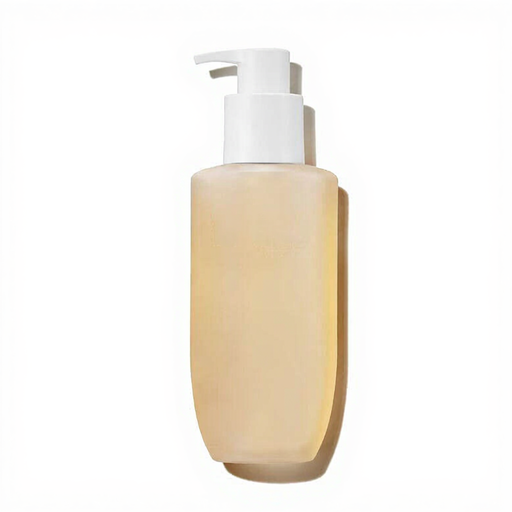
Why it suits this profile: The 200 ml pump bottle and foamy texture work well for an established morning and evening routine. The ingredients list includes mild cleansing agents and fragrances, among other ingredients.
The full INCI list makes it clear that perfume is present. This is relevant information for sensitive skin.
200 ml volume and a ready-to-use mousse according to the product details.
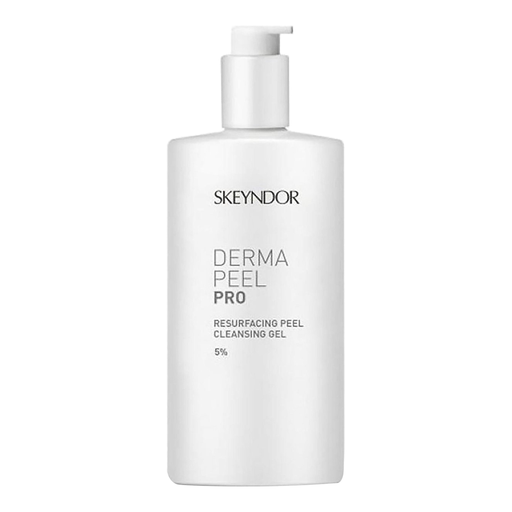
Why it suits this profile: This product combines cleansing with exfoliation, so it is intended for a targeted routine rather than for anyone simply looking for a daily cleanser.
The presence of glycolic acid, lactic acid, salicylic acid and papain is stated. This makes it clear that extra care and sun protection are needed.
200 ml volume and a formula containing AHA, BHA and an enzyme according to the product information.
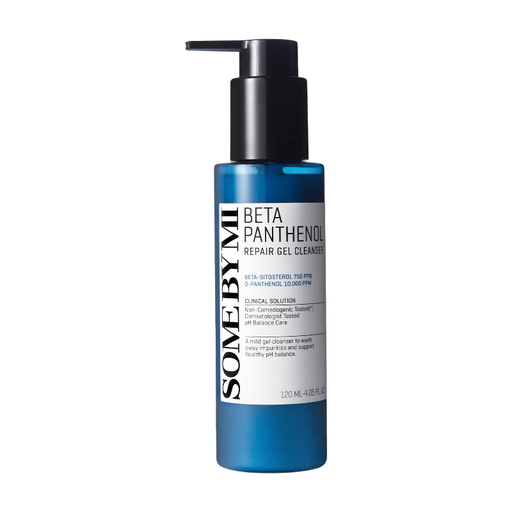
Why it suits this profile: This gel cleanser is designed for gentle daily washing. The formula lists panthenol, glycerine and a low pH, properties that suit a routine without exfoliating acids.
The product information does not focus on AHA or BHA. This makes it a more straightforward choice if you are looking for a simple daily cleanser.
120 ml volume, gel texture and panthenol listed in the ingredients.
We have compiled a complete, up-to-date list of products that fully meet these strict selection criteria and the applicable European safety regulations.
First wet your face with lukewarm water. Use a small amount and massage it in with your fingertips, without scrubbing hard. Rinse thoroughly and pat your skin dry. If you are wearing make-up or water-resistant sun protection, you may need an initial cleansing step with an oil or balm cleanser.
Pay extra attention to the instructions when using a cleanser for acne-prone skin. A product containing acids or essential oils may be less suitable for some users. Stop using it if you experience persistent redness, itching or swelling, and consult a doctor if the symptoms do not go away.
For many people, once a day is enough, usually in the evening. If you have oily skin or wear a lot of sun cream, cleansing in the morning and evening may feel more comfortable. Dry or sensitive skin may react to washing too often. Adjust the frequency to how your skin feels and the directions on the label.
A low pH can be a sensible choice for daily cleansing, but it does not guarantee that a product will work for every skin type. Also check for perfume, essential oils, exfoliating acids and the surfactants used. Test a new formula on a small area of skin first.
This depends on the volume and how much you use each time you wash. A 100 to 150 ml pack will generally last longer with daily use than a 50 ml travel size. Check the expiry information and the period after opening stated on the packaging. Stop using the product if its scent, colour or texture changes noticeably.
