
Less fat per eating occasion
You want to take nuts to your desk and are keeping an eye on both the fat content per 100 g and how much you actually eat. Regular nuts and a product carrying a low-fat claim are different categories.


If you want less fat in your desk lunch, compare the fat content per 100 g and decide how much to take with you. A smaller portion of regular nuts does not change their composition per 100 g. The labels reviewed from PLUS, Albert Heijn and Jumbo list 46.5 to 50 g of fat per 100 g for regular nuts. According to the European Commission, the ‘low fat’ claim for solid foods is reserved for products containing no more than 3 g per 100 g.
You want to take nuts to your desk and are keeping an eye on both the fat content per 100 g and how much you actually eat. Regular nuts and a product carrying a low-fat claim are different categories.
You’re looking for nuts to have with lunch and mainly want to avoid added salt. The Netherlands Nutrition Centre includes unsalted nuts in its Wheel of Five guidelines; unsalted does not automatically mean low fat.
You prefer unroasted or dry-roasted nuts and check the ingredients list to make sure. Unsalted nuts can still contain sunflower oil.
First compare the fat content per 100 g and what any claim means. Then look separately at portion size, salt, preparation method and packaging.
| What to consider | What to check when buying | Who is this important for? |
|---|---|---|
| Fat content and claims | Compare the fat per 100 g. For solid foods, the European Commission sets a maximum of 3 g per 100 g for the ‘low fat’ claim. For ‘reduced fat’, check what the comparison is based on. | If I’m mainly looking for a product with a lower fat content, I check the nutrition information and the claim itself. Around 31% of consumers prioritise the fat content of the product. |
| Portion size for your desk | Check the net weight and decide in advance how many grams to take with you. A portion does not change the fat content per 100 g. | If my main aim is to decide in advance how much I’ll eat while working, measuring out a portion matters more than the size of the bag. Around 25% of consumers prioritise portion control. |
| Unsalted | Read the ingredients and check the salt content of the exact product; unsalted does not rule out added oil. | For lunch, my main priority is to choose an unsalted accompaniment rather than rely on the preparation description alone. An unsalted product is the top priority for around 19% of consumers. |
| Oil and preparation method | Check the ingredients list for oil, and also look at the types of nuts and the allergen information. | If I want to avoid added oil, I check the ingredients separately from the salt and fat content. Around 13% of consumers prioritise this type of preparation. |
| Packaging and storage | Check the pack weight and the instructions for storing and resealing it after use. The Netherlands Nutrition Centre recommends storing nuts in a dry, airtight container. | I want packaging that suits the amount I take for lunch and can be sealed properly afterwards. Packaging and storage are the main considerations for around 12% of consumers. |
The Duyvis mix reviewed is described as roasted without added oil or fat, but the product information lists 47 g of fat per 100 g. So the preparation method alone does not mean the product is low fat.
Read the total fat content alongside the preparation claim and treat them as separate things to consider.
The unsalted cashews from Albert Heijn and Jumbo that we reviewed contain sunflower oil.
If you want to avoid added oil, check the ingredients list. Don’t use ‘unsalted’ as a substitute for checking.
The net weight of a bag or cup isn’t the same as the amount you eat during a lunch break. If you treat the whole pack as one portion, you may take more than you intended.
Decide in advance how much you want to take and seal the rest properly. The Netherlands Nutrition Centre recommends storing nuts in a dry, airtight container.
The Oven roasted nutmix reviewed contains cashews, peanuts and almonds, and is designed as a savoury roasted mix.
The own-brand product reviewed is unsalted cashews in a 170 g cup.
The own-brand product reviewed is a 200 g bag of unsalted cashews.
The Alesto product range distinguishes natural cashews from products such as peanuts in a batter coating.
The Trader Joe’s product reviewed is roasted and unsalted, and comes in a 250 g pack.
The own-brand product reviewed consists of unsalted, unroasted cashews in a 200 g bag.
These product picks are suited to a quick desk lunch, with portion sizes, preparation methods and fat per 100 g in mind.
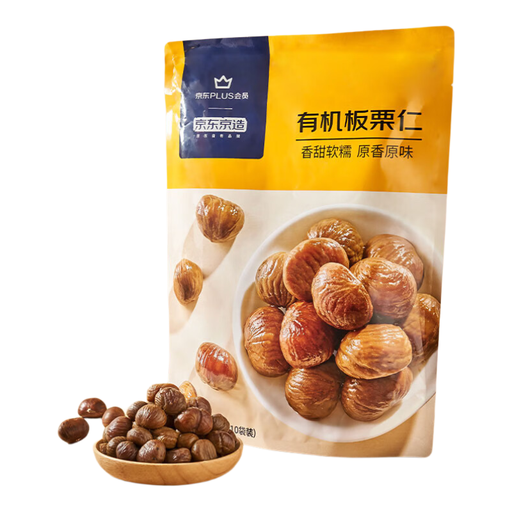 No image available
A ready-to-eat, peeled option for a short lunch break; worth comparing if fat per 100 g is your main criterion.
The product name lists 1 kg and 10 sachets. Check the nutrition table on the pack for the current product information.
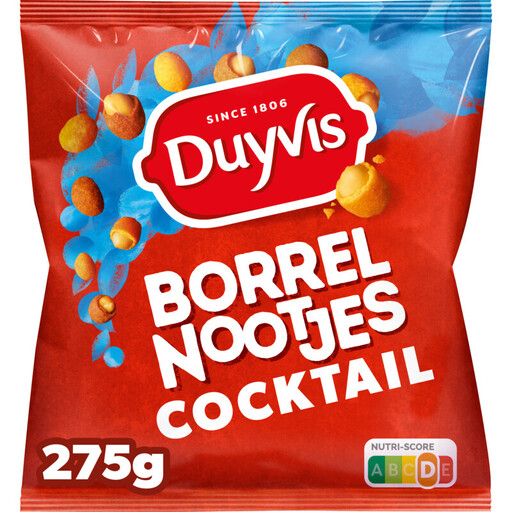 No image available
A ready-to-eat snack whose product information gives a portion size of 30 g; this can help you decide in advance how much to take to your desk.
The product information lists 34 g of fat and 1.4 g of salt per 100 g. A suggested portion size does not change the composition per 100 g.
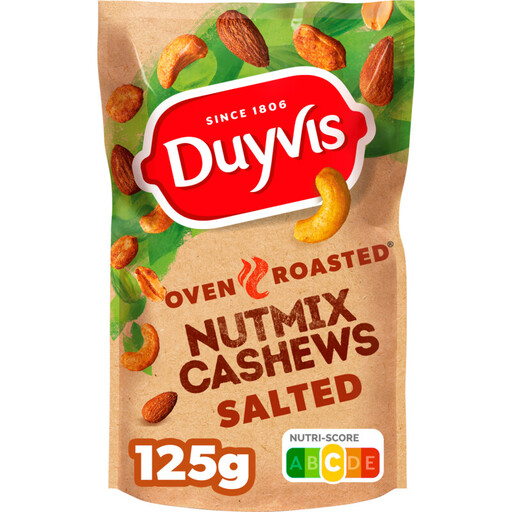 No image available
A roasted mix for anyone looking for a snack without added oil; check the salt and fat content too before choosing.
The product information lists 47 g of fat and 1.1 g of salt per 100 g. Here, no added oil does not mean low fat.
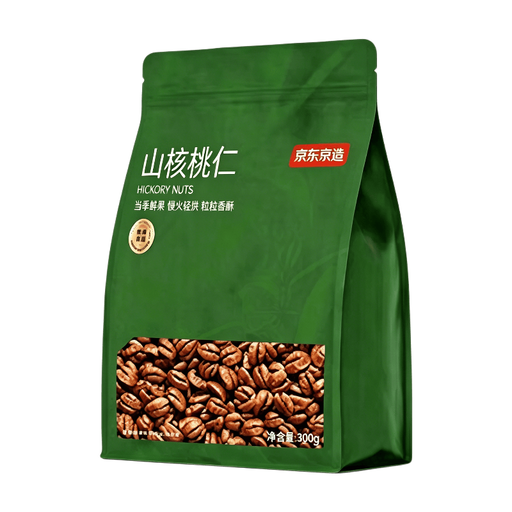 No image available
The product information describes a ready-to-eat snack packaged in 25 g portions.
The product information lists 40.7 g of fat per 100 g. Portion packs do not change the fat content per 100 g.
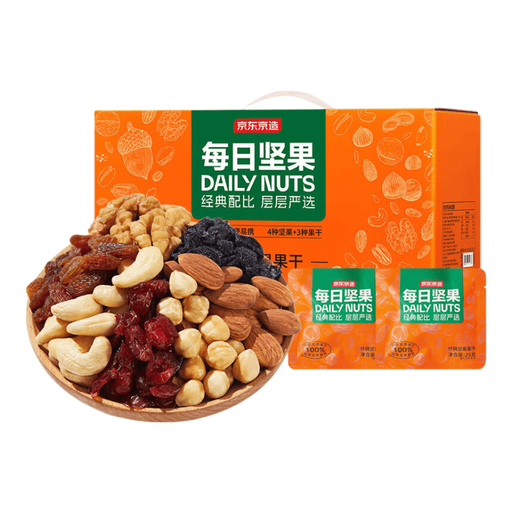 No image available
A ready-to-eat mix in individual portion packs, described as a snack to enjoy while working.
The product information lists 46.4 g of fat per 100 g. Individual sachets do not change the composition per 100 g.
For solid foods, the European Commission sets a maximum of 3 g of fat per 100 g for the ‘low fat’ claim. This limit applies to the composition of the product, not the size of your portion.
No. A smaller portion does not change the fat content per 100 g, although you’ll eat less of the product. So use the nutrition information per 100 g and the amount you actually take with you as two separate pieces of information.
Store nuts in a dry, airtight container. The Netherlands Nutrition Centre recommends this method; also follow the instructions on the pack you buy.
Check the ingredients and allergen warnings on the exact pack, including for mixed products. The Netherlands Food and Consumer Product Safety Authority explains that prepacked products must show allergen information on the label.
No. The Netherlands Food and Consumer Product Safety Authority warning of 20 May 2026 concerned Trader Joe’s unsalted cashews, 170 g, with a best-before date of 23-09-2026 and barcode 2003020120930. The warning does not automatically apply to other packs or batches. If you still have that specific pack, check the exact details.