
If you want to eat less fat
Compare total fat content and portion size rather than relying on words such as ‘unsalted’. For solid foods, the European Commission sets the threshold for a low-fat claim at no more than 3 g of fat per 100 g.


Start by checking which allergen you need to avoid, then compare the total fat content of the exact product variant and the portion you eat. Unsalted does not mean low-fat: for solid foods, the European Commission sets the threshold for a low-fat claim at no more than 3 g of fat per 100 g. The AH Chestnuts we looked at listed 2.7 g of fat per 100 g and were labelled gluten-free and lactose-free, but they were no longer in the range.
Compare total fat content and portion size rather than relying on words such as ‘unsalted’. For solid foods, the European Commission sets the threshold for a low-fat claim at no more than 3 g of fat per 100 g.
Check the ingredients and allergen information for the exact product variant. Peanuts and tree nuts are separate allergens to consider; a general ‘free from’ claim does not automatically tell you whether a product is free from every allergen. The NVWA and Allergie Centra Nederland provide guidance on this.
Look for an amount you can use at home or on the go without leaving unnecessary leftovers. The Voedingscentrum recommends storing nuts in a sealed container in a cool, dry place, and points out that fresh chestnuts spoil more quickly.
A good fit if: you’re mainly looking for a low total fat content per 100 g and the allergen information for the specific product meets your needs.
Bear in mind: the AH Chestnuts we looked at were no longer in the range and need to be prepared. Chestnuts are also not the same as a ready-to-eat nut mix.
A good fit if: the nut or peanut you choose is not an allergen you need to avoid, and the fat in your portion fits into your diet.
Bear in mind: ‘unsalted’ tells you about salt, not total fat. A smaller portion does not change the nutritional values per 100 g.
A good fit if: the nut or peanut in question is the allergen you need to avoid. A favourable fat content does not make that product variant suitable for you.
Bear in mind: an allergy to one type of nut does not automatically mean you’re allergic to all nuts. However, a ‘free from’ claim is not a general guarantee that a product is free from other allergens.
| Buying concern | What to look for | Who it matters to |
|---|---|---|
| Allergens | Check the ingredients and allergen information for the exact product variant, including any warning about possible cross-contamination. | If I need to avoid a specific allergen, I want to know exactly which nut or peanut is in the pack. This makes allergen checks the top priority for around 34% of consumers in this decision. |
| Total fat | Compare total fat per 100 g. For solid foods, the threshold for a low-fat claim is no more than 3 g per 100 g. | If you want to limit the fat in a snack, compare the full nutritional information, not just the salt content. Around 33% of consumers in this decision put total fat first. |
| Portion size | Weigh the amount you eat. For branded products, use the nutritional information for that exact variant. | If I want to fit nuts into my diet, how much I actually serve myself matters too. Portion control is the top buying priority for around 20% of consumers in this decision. |
| Storage and preparation | Check the preparation and storage instructions, and choose a pack size that matches how much you can use. | If you have little time to prepare chestnuts or want to finish a pack in time, consider the product format and shelf life. Around 13% of consumers in this decision prioritise convenience. |
A product variant may carry a specific ‘free from’ claim and still contain another relevant allergen. Peanuts and tree nuts need to be checked separately when reviewing allergen information.
First work out which allergen you need to avoid, then check the ingredients and allergen information on the exact pack.
The Dutch Flink product page lists 52 g of fat per 100 g for Duyvis Unsalted Peanuts 235 g. The European Commission sets the threshold for a low-fat claim on solid foods at no more than 3 g per 100 g.
Compare total fat separately from salt, then consider how much of the snack you eat.
According to the Voedingscentrum, a standard 25 g portion of unsalted nuts contains 14.9 g of fat. The amount you serve yourself therefore affects your total intake.
Weigh out a suitable portion and, for packaged branded products, use the nutrition table for the exact variant.
Fresh chestnuts spoil more quickly than most other nuts. The AH Chestnuts we looked at also need to be prepared.
Follow the preparation and storage instructions on the pack, and choose an amount you can use in time.
Scoring and preparing chestnuts takes time, and their short shelf life means you’ll need to plan ahead.
Worth considering for ready-to-eat peanuts, including the Unsalted Peanuts variant.
The variants we looked at include unsalted almonds and AH Chestnuts.
The product options we looked at are Jumbo Unsalted Peanuts 250 g and cooked chestnuts.
The product option we looked at is Unsalted Almonds.
The nut option we looked at is the 500 g pack of unsalted Trader Joe’s Nut Mix.
The own-brand variant we looked at is PLUS Unsalted Almonds, in a 150 g stand-up pouch.
This selection includes chestnut products and regular nuts or peanuts. Check the fat content, portion size and allergen information for each exact variant.
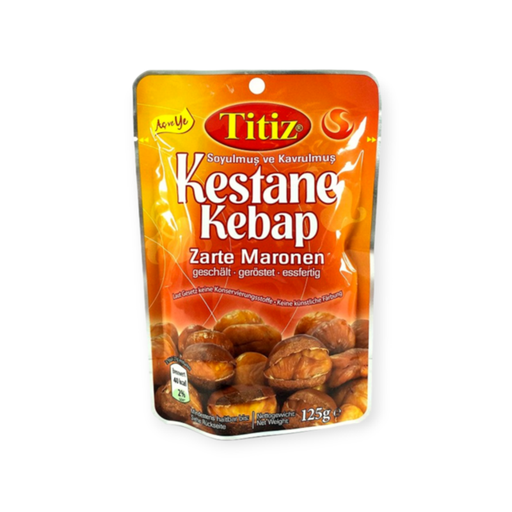 Image unavailable
A roasted chestnut snack to take with you. If fat content is a deciding factor, check the nutrition table per 100 g.
Contains chestnut. A statement about certain allergens is not a general guarantee that the product is suitable for your specific allergy.
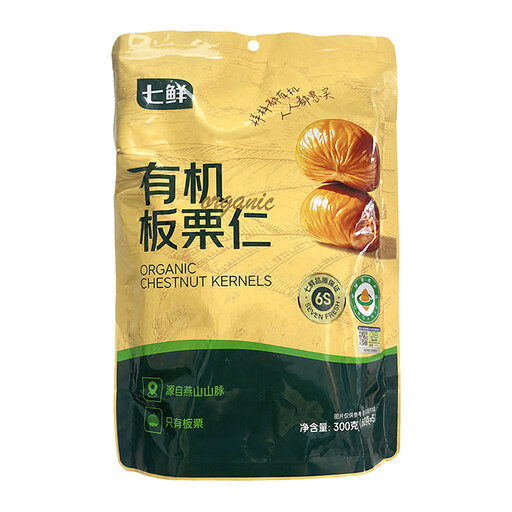 Image unavailable
The product information describes these chestnut kernels as ready to eat and handy to take with you. If you’re choosing based on total fat, compare the nutritional values per 100 g on the latest packaging.
Contains chestnut; the product information also lists chestnut as an allergen.
 Image unavailable
An unsalted peanut snack for anyone keeping an eye on portion size and how much fat it adds to their diet. Unsalted does not mean low-fat.
Contains peanuts and may contain cashews.
 Image unavailable
This variant contains raw, unsalted almonds to enjoy as a snack or use as an ingredient. Check the label for the fat content and allergen information for the exact pack.
Contains almonds.
 Image unavailable
A roasted, unsalted cashew variant for anyone keeping an eye on portion size and fat intake. The product format and salt content alone do not mean it is low-fat.
Contains cashews.
For solid foods, the European Commission sets the threshold for a low-fat nutrition claim at no more than 3 g of fat per 100 g. This criterion relates to the product’s composition per 100 g; it does not determine whether a particular portion fits into your personal diet.
No. Lactose-free and free from milk proteins do not mean the same thing. If you have a milk allergy, check the allergen information specifically for milk and don’t rely on a lactose-free claim alone.
Not necessarily. According to Allergie Centra Nederland, an allergy to one type of nut does not necessarily mean you’re allergic to all nuts. Get individual advice on whether other types are suitable, and bear in mind that peanuts can cause allergic reactions separately.
Don’t assume so. Stichting Voedselallergie states that the allergen remains stable when heated. Preparing a nut is therefore not a general way to make it safe for someone who is allergic to it.
The instructions for AH Chestnuts 500 g say to carefully score a cross in each chestnut before cooking. The stated oven method is 15–20 minutes at 200 °C; these instructions apply to that specific product variant.