What should you look for when buying?
First compare fat and energy per 100 g, then work out the figures for your own portion. Next, check whether the snack fits with the rest of your post-workout food and your preferences around ingredients and storage.
| What to consider |
What to look for |
Who is this important for? |
| Fat and energy per portion |
Compare fat and kcal per 100 g, then work out the figures for your own portion. |
If I’m looking for something low in fat after a workout, I also want to know how much energy my portion provides. Around 33% of consumers choose portion energy as their main criterion. |
| How it fits with your recovery food |
Check the carbohydrates and protein on the label, and consider what your meal or other food already contains. |
I want to include fruit in what I eat and drink after exercise, without treating it as a complete recovery meal. Around 33% of consumers prioritise how it fits with the rest of their recovery food. |
| Ingredients and tolerability |
Read the ingredients list and highlighted allergens on the specific pack; check for sulphites if they’re relevant to you. |
If I choose ingredients based on my preferences or a known sensitivity, I want to check the label on the exact product. This applies to around 17% of consumers who make ingredients their top priority. |
| Storage and everyday use |
Check the pack size and storage instructions, especially after opening. |
I want to choose a pack that suits how and where I use the fruit, and that I can store according to the instructions at home or on the go. Around 17% of consumers put practical use and storage first. |
Nutritional values on food labels are generally given per 100 g or per 100 ml; the European Union explains this nutrition labelling on Your Europe. The percentages above reflect the stated priorities when buying this type of snack.
Dried fruit at Joybuy
These Joybuy products are dried fruit options for anyone looking for a post-workout snack. Compare the nutritional values and ingredients listed for each product.
 No image available
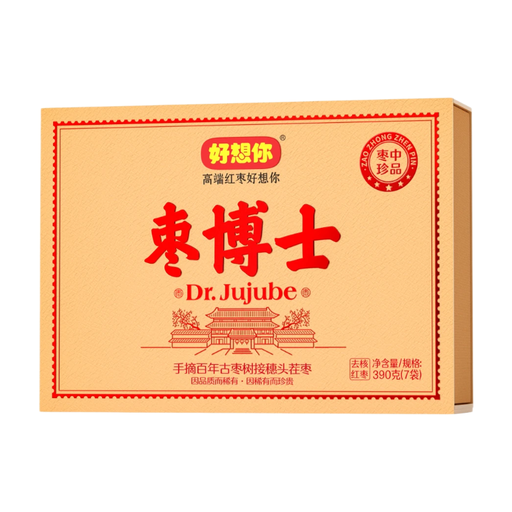
Haoxiangni Dr.Jujube Premium Gold-Grade Pitted 390g
The product information describes these pitted dates as ready to eat, so you can enjoy them as a snack with no preparation.
Values listed: 0 g fat and 327 kcal per 100 g.
View at Joybuy
 No image available
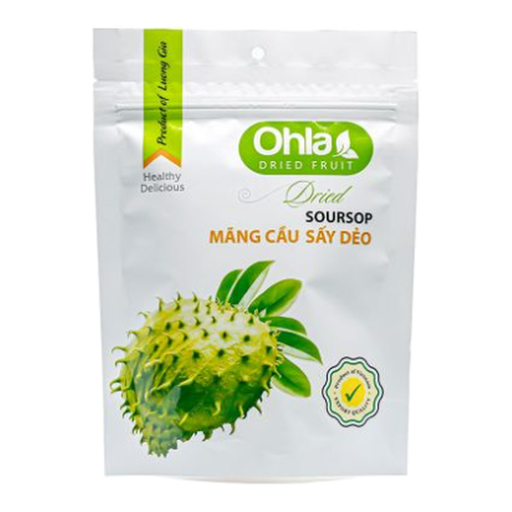
OHLA Dried Soursop 180g
This dried soursop is a fruit option to consider as a snack. Check the ingredients if added sugar or sulphites are relevant to you.
Values listed: 2,21 g fat and 348 kcal per 100 g. The ingredients information lists sugar, glucose and sodium metabisulphite.
View at Joybuy
 No image available
Haoxiangni Pitted Jujubes 500g
The product information describes these pitted jujubes, or red dates, as ready to eat as a snack with no preparation.
Values listed: 0,5 g fat and 300 kcal per 100 g. Red dates are listed as the ingredient.
View at Joybuy
 No image available
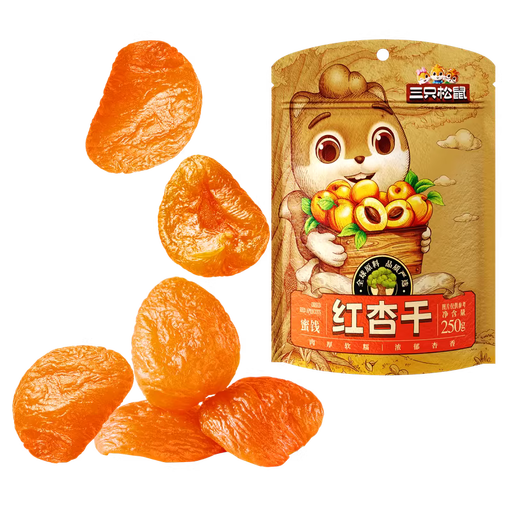
Three Squirrels Red Apricot Dried 250g
According to the product information, these dried red apricots are ready to eat and can be enjoyed as a snack.
Values listed: 0 g fat and 311 kcal per 100 g. The ingredients information lists sugar, maltose syrup and sulphites.
View at Joybuy
 No image available
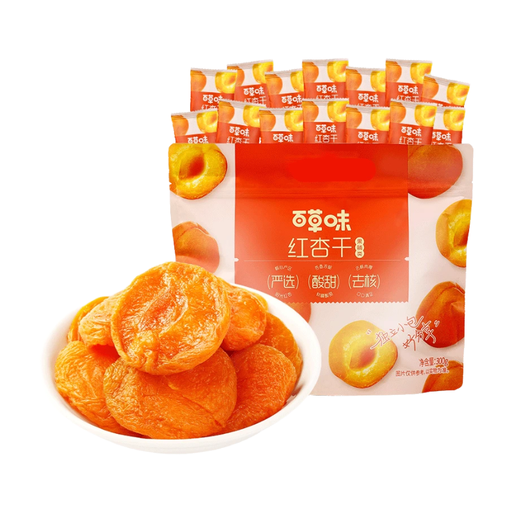
Be&Cheery Dried Red Apricots 300g
These dried red apricots are described as a ready-to-eat snack. Check the ingredients if added sugar or sulphites are relevant to you.
Values listed: 1,0 g fat and 327 kcal per 100 g. The ingredients information lists sugar, maltose syrup and sulphites.
View at Joybuy
Frequently asked questions
Does low fat also mean low in calories?
No. Fat and energy are separate nutritional values. Albert Heijn’s product information lists 0,5 g fat and 344 kcal per 100 g for AH Rozijnen, and 0,6 g fat and 182 kcal per 100 g for AH Gewelde gedroogde abrikozen; these are different product types. For solid foods, the European Commission defines a ‘low fat’ claim as no more than 3 g of fat per 100 g, but that threshold alone does not tell you how much energy your portion provides.
Do I need a protein shake or a special bar after every workout?
Not necessarily. The Voedingscentrum says that most people who exercise do not need special protein shakes or bars if they eat a healthy, varied diet. After intense exercise, especially if you need to perform again soon, it’s worth paying extra attention to everything you eat after your workout. The Vereniging Sportvoedingsexperts Nederland highlights protein as one consideration.
Is the portion on the pack the same as a dietary recommendation?
No. For the products checked, Albert Heijn lists a label portion of 50 g; the Voedingscentrum’s general dietary advice is to eat no more than 20 g of dried fruit a day. This general advice is not a personalised sports nutrition plan.
How should I store dried fruit when I’m on the go?
Follow the instructions for the specific product. Albert Heijn says AH Rozijnen should be stored somewhere cool, dark and dry. AH Gewelde gedroogde abrikozen must be refrigerated after opening at a maximum of 7 °C; bear in mind that this product has a limited shelf life.
How can I check whether a product contains sulphites?
Read the ingredients list and allergen information on the specific pack. The AH and PLUS apricots we checked list sulphites. The NVWA requires allergens that must be declared by law to be clearly highlighted in the ingredients list, so don’t rely on the product name or the front of the pack alone.


