What should you look for when choosing?
If fat is your main priority, start by comparing the amount per 100g. Then consider the portion, energy, sugars, packaging and allergens too. According to the European Commission, solid foods must contain no more than 3g of fat per 100g to carry the ‘low fat’ claim; a comparative claim such as ‘reduced’ requires a different assessment.
| What to consider |
What to look for |
Who should consider this? |
| Low fat |
Compare the fat per 100g and check the ingredients; oil in fruit crisps can change the fat content. |
If keeping fat low is my main priority, I compare the exact variant rather than just the type of fruit. Around 34% of consumers prioritise fat content. |
| Portion, energy and sugars |
Compare nutritional values on the same basis and distinguish between total and added sugars. |
If I want a measured snack at the office, I check energy and sugars as well as fat. Around 33% of consumers prioritise these factors and portion size. |
| Stock and packaging |
Check the net weight, whether the pack is resealable and the storage advice; a larger pack is not a serving size. |
If I’m buying snacks for several working days, I want to know how to store them and how much to portion out. Around 20% of consumers prioritise practical stock management. |
| Allergens |
Check the ingredients and warnings on the exact packaging, especially for shared supplies. |
If I’m buying for colleagues with a relevant allergy, I check the allergen information for that variant first. Around 13% of consumers put allergen checks first. |
Dried fruit on Joybuy
These dried fruit snacks can be compared by fat, energy, sugars and ingredients. A low fat value doesn’t automatically mean less sugar or fewer calories.
 No image available
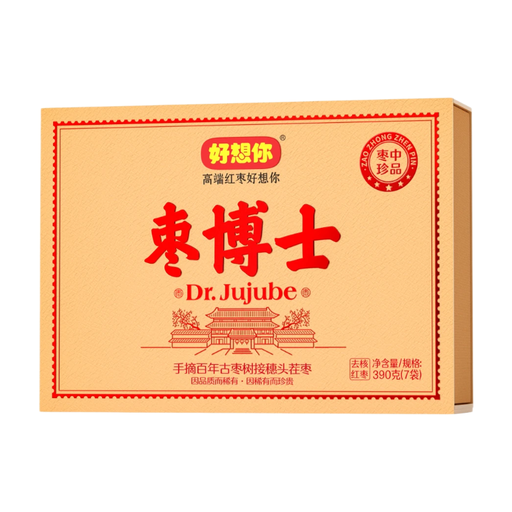
Haoxiangni Dr.Jujube Premium Gold-Grade Pitted 390g
According to the product description, these pitted red dates are ready to eat. The stated nutritional values can help you compare products per 100g.
Per 100g: 0g fat, 327 kcal and 50.0g sugars. The ingredients are 100% red dates. Low fat doesn’t automatically mean low in energy or sugars.
View on Joybuy
 No image available
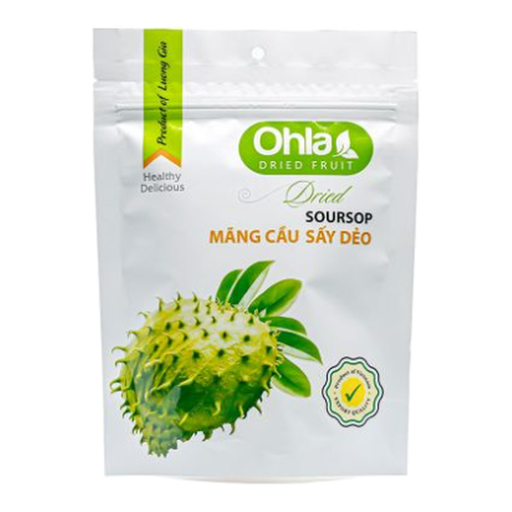
OHLA Dried Soursop 180g
This dried soursop is described as a snack. After opening, follow the storage advice on the packaging.
Per 100g: 2.21g fat, 348 kcal and 72.6g sugars. The ingredients include sugar and glucose. After opening, the product information advises sealing the pack well or refrigerating it.
View on Joybuy
 No image available
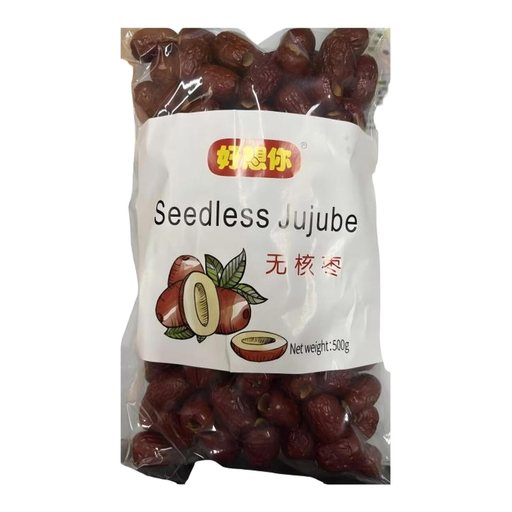
Haoxiangni Pitted Jujubes 500g
According to the product description, these pitted red dates are ready to eat and can also be used in cooking or baking.
Per 100g: 0.5g fat, 300 kcal and 60g sugars. Low fat doesn’t mean sugar-free.
View on Joybuy
 No image available
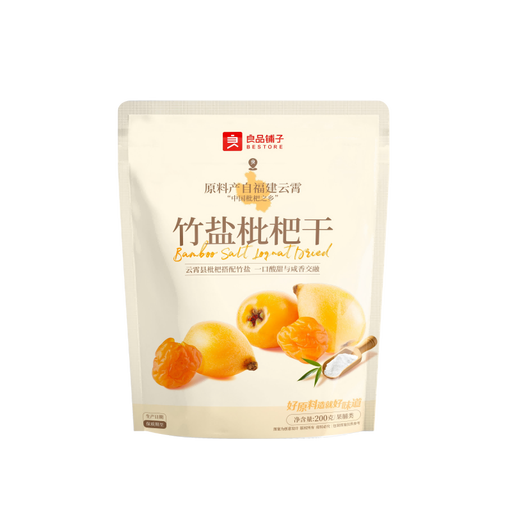
Bestore Dried Loquat with Bamboo Salt 200g
This dried loquat is described as a ready-to-eat snack. When choosing, consider the ingredients and allergen information too.
Per 100g: 0g fat, 311 kcal and 66.2g sugars. The ingredients include white sugar and glucose syrup; the product information also lists sulphites. Store in a cool, dry place away from direct sunlight.
View on Joybuy
 No image available
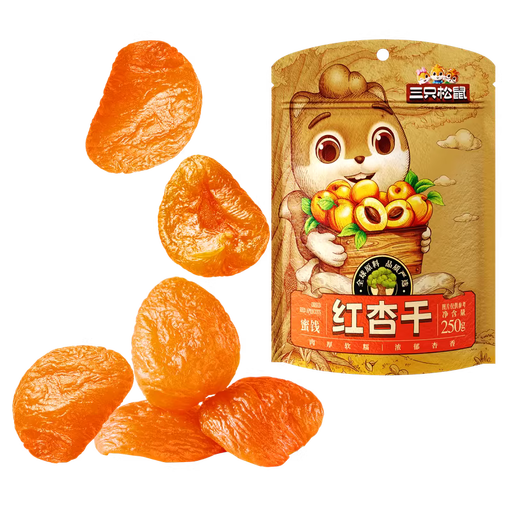
Three Squirrels Red Apricot Dried 250g
According to the product description, these apricots are ready to eat; the pack is described as resealable.
Per 100g: 0g fat, 311 kcal and 62.0g sugars. The ingredients include sugar and maltose syrup; the product information lists sulphites. Store in a cool, dry place.
View on Joybuy
Frequently asked questions
When can a solid food be called ‘low fat’ in the Netherlands?
According to the European Commission, solid foods must contain no more than 3g of fat per 100g to carry the ‘low fat’ claim. Compare the value per 100g, not just the value for a small portion.
Do ‘low fat’ and ‘reduced fat’ mean the same thing?
No. ‘Low fat’ refers to an absolute limit, while ‘reduced’ requires a comparison with a suitable standard product. The Netherlands Nutrition Centre explains that comparative claims such as ‘light’, ‘lite’ and ‘reduced’ are subject to conditions; a low fat value alone doesn’t prove that the fat content has been reduced.
Is low-fat dried fruit also low in calories?
Not necessarily. For the European ‘low energy’ claim, solid foods must contain no more than 40 kcal per 100g; the apricots reviewed list 182 to 254 kcal per 100g. So compare energy separately from fat.
How much dried fruit should you take to work?
The Netherlands Nutrition Centre advises eating no more than 20g of dried fruit a day. This is dietary advice, not a legal serving-size limit. Weigh your portion and don’t automatically treat the serving size on the pack as personal advice.
What should you look for in the allergen information for dried apricots?
Check the ingredients and allergen warnings on the exact packaging. The AH, Jumbo and PLUS apricots reviewed list sulphites; Jumbo also notes that the product may contain nuts, peanuts and sesame. The NVWA explains the information requirements for businesses selling food to consumers.


