
You’re looking for a low-fat lunch snack
You want to choose dried fruit based on its actual fat content, without assuming that it makes a general health claim true. Compare the nutritional values for the exact product.


For a low-fat lunch on the go, you could consider the dried apricots from Jumbo and PLUS that we looked at, or Jumbo Blue Raisins: their stated fat content is below 3 g per 100 g, the threshold the European Commission gives for a ‘low fat’ claim on solid foods. That doesn’t automatically make them low in calories, nor does it in itself support a ‘reduced fat’ claim. So compare the portion size, sugars, ingredients and storage instructions too. Once opened, Albert Heijn’s soaked apricots need to be refrigerated at no more than 7 °C, so only choose them if you can follow those storage instructions.
You want to choose dried fruit based on its actual fat content, without assuming that it makes a general health claim true. Compare the nutritional values for the exact product.
You’d like something sweet with your lunch, while keeping track of how much dried fruit you eat. Weighing out a portion is a better fit than taking the whole bag as one snack.
Storage instructions are part of your decision. Dry apricots and raisins have different storage requirements from Albert Heijn’s soaked apricots once opened.
First compare the fat content of the exact product, then check the portion size, ingredients and storage instructions to make sure they suit your lunch routine.
| What to consider | What should you check? | Who is this important for? |
|---|---|---|
| Fat content and claims | Compare the fat per 100 g for the exact product. A low absolute value is not the same as a comparative claim such as ‘reduced fat’. | If fat is your main consideration at lunchtime, you’ll want to compare the exact nutritional values. Around 33% of consumers prioritise fat content. |
| Portion size and energy | Check energy and sugars on the same basis, and weigh the portion you plan to take with you. | If you also want to keep track of how much dried fruit and energy you consume, portion size matters as well as the value per 100 g. Around 27% of consumers make portion size and energy their main priority. |
| Taking it with you and storage | Read the storage instructions for after opening and check that they suit the time you’ll be without a fridge. | If you won’t have access to refrigeration while you’re out, you’ll want a product with storage requirements that work for you. Around 27% of consumers prioritise convenience when taking food with them. |
| Ingredients and allergens | Read the ingredients and allergen information on the exact pack, including when it claims to have no added sugars. | If you’re looking out for specific ingredients or allergens, you’ll need the information on the pack you choose. Around 13% of consumers prioritise ingredients. |
For solid foods, the European Commission sets a maximum of 3 g of fat per 100 g for a ‘low fat’ claim. A low fat value doesn’t tell you how much sugar or energy a portion contains, and by itself it doesn’t prove that the product has less fat than a comparable one.
The Netherlands Nutrition Centre recommends eating no more than 20 g of dried fruit a day. This is general dietary guidance, not a legal purchasing limit; remember to include any other occasions when you eat dried fruit.
A low absolute fat value shows how much fat a product contains, but doesn’t prove that it contains less than an appropriate comparison product.
Use the fat value per 100 g to compare products, and don’t assume a comparative claim applies based on that value alone.
Jumbo Blue Raisins list a 30 g portion, while the Netherlands Nutrition Centre recommends a maximum of 20 g of dried fruit a day.
Weigh your own portion rather than automatically following the serving size on the pack.
The Albert Heijn soaked apricots we looked at contain added water and need to be refrigerated at no more than 7 °C once opened.
Check the storage instructions for the exact product, especially if your lunch will be without a fridge for a while.
The PLUS apricots we looked at state that they have no added sugars, but they do contain natural sugars and sulphites.
Check the ingredients, nutritional values and allergen information separately; one claim doesn’t replace the rest of the label.
The soaked apricots we looked at are an option if you want to use dried fruit as a snack or lunch topping.
The range we looked at includes dried, pitted apricots and blue raisins that you can portion yourself.
Lidl lists Alesto as its dried fruit range; the Dutch brand page describes, among other things, dried mango strips for when you’re out and about.
The Dutch product page lists TRADER JOE'S Sun-Dried Apricots in a 250 g pack.
The dried apricots we looked at come in a 375 g stand-up pouch, designed for portioning at home.
The own-brand option we looked at is 1 de Beste Apricots in a 375 g pack.
This selection of products at Joybuy includes dried fruit and fruit products to take with you as a snack. Compare the product information, ingredients and storage instructions for the option that suits your lunch.
 No image available
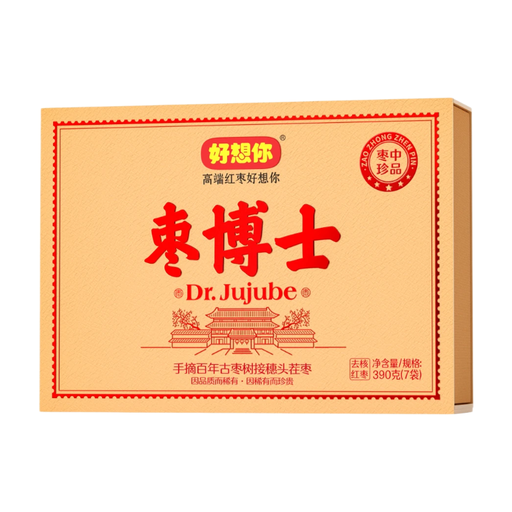
The product information describes the pitted jujubes as ready to eat.
The nutritional information lists 0 g of fat and 50,0 g of sugars per 100 g.
The product description says to consume the product immediately after opening.
 No image available
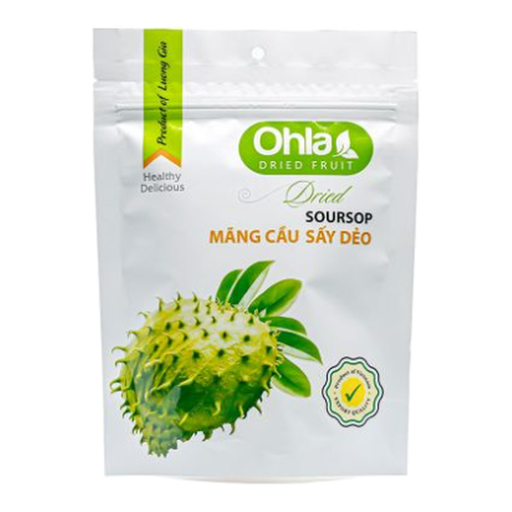
The product description calls the dried soursop a snack and recommends storing it in a cool, dry place.
The nutritional information lists 2,21 g of fat per 100 g.
The ingredients include white sugar, glucose, citric acid and sodium metabisulphite (INS 223). Follow the storage instructions on the product information once opened.
 No image available
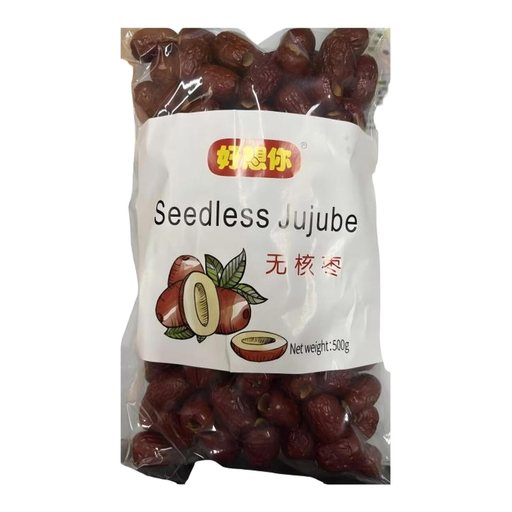
The product description says the pitted jujubes are ready to eat and suitable as a snack or ingredient.
The nutritional information lists 0,5 g of fat and 60 g of sugars per 100 g; the product description states that they are made from 100% red dates.
The product information recommends storing in a cool, dry place and sealing the pack well after opening.
 No image available
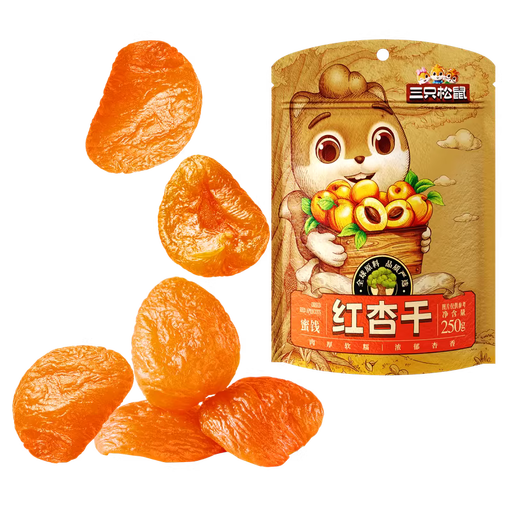
The product description says the apricots are ready to eat and suitable for a lunchbox.
The nutritional information lists 0 g of fat per 100 g. The ingredients include sugar and maltose syrup; the pack lists sulphites.
The pack is resealable, but the product description says to consume the product immediately after opening.
 No image available
According to the product information, the pack contains ten 14 g snack boxes, making them easy to take separately.
The product description states that the raisins contain no added sugars and should be stored in a cool, dry, dark place.
The product information says they are suitable from 12 months, with supervision while eating; they are not suitable for children with swallowing difficulties.
No, a low fat content doesn’t automatically mean a product is low in calories. The Jumbo Dried Pitted Apricots we looked at list 237 kcal per 100 g, so compare the nutritional values and the portion you eat too.
‘Low fat’ refers to the absolute amount of fat; ‘reduced fat’ is a comparative claim. A low fat value per 100 g doesn’t in itself prove a reduction compared with an appropriate comparison product. For solid foods, the European Commission sets a maximum of 3 g of fat per 100 g for a ‘low fat’ claim.
The Netherlands Nutrition Centre recommends a maximum of 20 g of dried fruit a day. Weigh your portion and include any other occasions when you eat dried fruit. This is general dietary guidance, not a legal limit.
No. The Albert Heijn soaked apricots we looked at need to be refrigerated at no more than 7 °C once opened. The dry apricots from Jumbo and PLUS that we looked at should be stored in a cool, dry, dark place. Always follow the instructions on the pack for your chosen product.
Check the ingredients and allergen information on the exact pack. The Netherlands Food and Consumer Product Safety Authority lists sulphites as an allergen; the apricot products we looked at from Albert Heijn, Jumbo and PLUS list sulphites.