What should you look for when choosing?
Start by comparing the fat content of the exact variety, then check the nutritional values per portion, the ingredients and the storage instructions.
| What to consider |
What should you check? |
Who should pay particular attention? |
| Fat content and claims |
Compare the fat per 100 g and read the ingredients. For solid foods, the European Commission sets a maximum of 3 g of fat per 100 g for the ‘low fat’ claim. |
If I’m mainly looking for a low-fat option to put on the snack table, I check the pack rather than relying on the name of the fruit. Around 34% of consumers give this need top priority. |
| Energy and sugars |
Compare kcal and sugars per 100 g, and check the values per portion if they’re shown on the pack. |
If you want to take energy and sugars into account when snacking, don’t look at fat alone. Around 33% of consumers prioritise these nutritional values. |
| Serving and storage |
Read the storage instructions for after opening, and check allergen information and warnings about stones or stone fragments. |
If I’m serving fruit to guests, I want to know which ingredients and warnings are listed on the pack, and how to store any leftovers. Around 17% of consumers pay most attention to this. |
| Choosing the right pack size |
Match the net weight to the number of guests and your storage options. The Albert Heijn and Jumbo product pages we looked at list 250 g; PLUS and Dirk list 375 g. |
If you want to serve the right amount and limit leftovers, check the net weight and storage instructions for after opening. Around 16% of consumers consider this their main priority. |
Which supermarket brands can you compare?
The information below relates to specific product ranges and retailer listings; it isn’t a general assessment of an entire brand.
Albert Heijn
The range we looked at includes soaked apricots and other types of dried fruit.
- The official product page lists 0.6 g of fat per 100 g for AH Gewelde gedroogde abrikozen, and provides information about ingredients and storage.
- The same page lists sulphites and says to refrigerate the product after opening. AH Bananenchips lists 30 g of fat per 100 g; this information applies to that product specifically.
Jumbo
Jumbo Gedroogde Abrikozen Zonder Pit 250 g is worth comparing if you want to check the nutritional values per pack and per portion.
- The official product page lists 0.5 g of fat per 100 g and gives nutritional values per 20 g portion.
- The apricots contain sulphites. Jumbo also mentions possible traces of nuts, peanuts and sesame, and warns that stone fragments may be present.
PLUS
The dried apricots we looked at are listed on the official product page in a 375 g stand-up pouch.
- PLUS lists 0.5 g of fat and 0 g of added sugars per 100 g.
- The product page also lists 53.4 g of total sugars per 100 g and sulphites. A larger pack doesn’t automatically mean you’ll need more for a get-together.
Aldi
ALDI lists TRADER JOE’S Zongedroogde abrikozen in a 250 g pack.
- The ALDI product listing describes the apricots as soft.
- This is the supplier’s description, not an independent assessment of the texture or confirmation of the fat content.
Dirk
Dirk lists 1 de Beste Abrikozen in a 375 g pack and identifies 1 de Beste as its own brand.
- The retailer’s listing describes the apricots as soft and flavourful.
- These are Dirk’s descriptions; they don’t provide an independent assessment or information about the fat content.
Lidl
Lidl has a Dutch product page for dried tropical fruit, a relevant category to include in your comparison.
- The product listing confirms that Lidl sells dried fruit.
- The category page doesn’t confirm a specific fruit variety or provide nutritional values to help you assess whether it’s low in fat.
Joybuy products for your get-together
This Joybuy selection features dried fruit to serve at a get-together. As well as the listed fat content, compare the sugars, ingredients and storage instructions for the specific variety.
 No image available
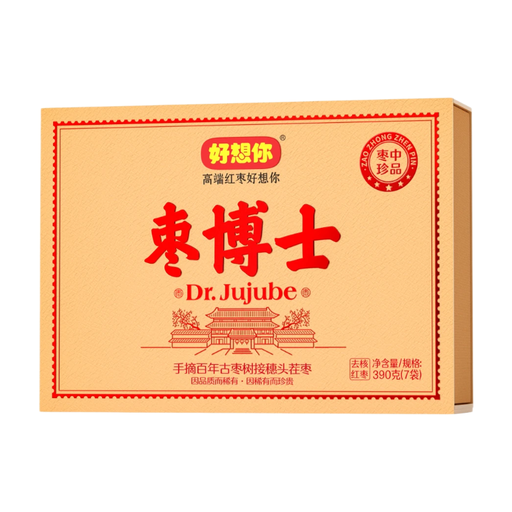
Haoxiangni Dr.Jujube Premium Gold-Grade Pitted 390g
An option if you want to serve pitted dried jujube straight from the pack.
The product description lists 0 g of fat, 327 kcal and 50.0 g of sugars per 100 g, and names jujube as an ingredient.
According to the product description, the pack should be consumed immediately after opening.
View at Joybuy
 No image available
OHLA Dried Guava 180g
A dried guava option to compare if you want to consider the recipe as well as the fat content.
The product description lists 1.73 g of fat and 308 kcal per 100 g. The ingredients list 95% guava, sugar and a preservative.
The description recommends storing it in a cool, dry place.
View at Joybuy
 No image available
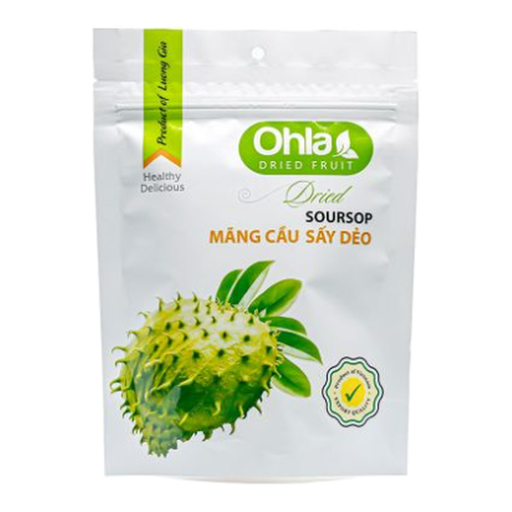
OHLA Dried Soursop 180g
This dried soursop is an option to consider if you want to compare the ingredients as well as the fat content.
The product description lists 2.21 g of fat, 348 kcal and 72.6 g of sugars per 100 g. The ingredients include white sugar, glucose and sulphite.
The description recommends sealing the pack tightly or refrigerating it after opening.
View at Joybuy
 No image available
Haoxiangni Pitted Jujubes 500g
A pitted jujube option that, according to the product description, is ready to eat.
The product description lists 0.5 g of fat, 300 kcal and 60 g of sugars per 100 g, and names 100% red dates as the ingredient.
After opening, the description recommends sealing the pack tightly.
View at Joybuy
 No image available
Three Squirrels Red Apricot Dried 250g
A dried apricot option that, according to the product description, is ready to eat.
The product description lists 0 g of fat, 311 kcal and 62 g of sugars per 100 g. The ingredients list sugar, maltose syrup and sulphite.
View at Joybuy
Frequently asked questions
When can a solid snack be called ‘low fat’?
According to the European Commission, a solid food must contain no more than 3 g of fat per 100 g to carry the ‘low fat’ claim. This is a condition for making a nutrition claim, not a daily dietary limit.
How much dried fruit should you have?
The World Cancer Research Fund recommends eating no more than 20 g of dried fruit a day. This is dietary advice to help you judge portions, not a legal limit.
Should all dried apricots be refrigerated after opening?
Follow the advice for the specific variety. For the soaked apricots we looked at, Albert Heijn says to refrigerate them after opening at a maximum of 7 °C; Jumbo recommends storing the dried apricots we looked at in a cool, dry, dark place.
What should you check if your guests have allergies or intolerances?
The Albert Heijn, Jumbo and PLUS apricots we looked at list sulphites; Jumbo also mentions possible traces of nuts, peanuts and sesame. The NVWA explains that mandatory labelling applies to 14 allergens. Always check the current packaging, rather than relying on the type of fruit alone.
What should you compare besides the fat content?
Compare energy and sugars per 100 g, and check the nutritional values per portion when they’re provided. The apricots we looked at show why this matters: their listed fat content is low, but their energy and sugar values vary from product to product.


