What should you look for when buying?
Start with the stated fat content, then consider the portion, ingredients and practical suitability as a gift.
| What to consider |
What should you look for? |
Who is this important for? |
| Fat content and claims |
Compare fat per 100 g. For solid foods, the European Commission defines ‘low fat’ as no more than 3 g per 100 g. The Netherlands Bakery Centre describes ‘reduced’ as at least 30% less than comparable products; this explanation does not prove that a specific pack meets all the conditions for making the claim. |
If I’m mainly watching my fat intake, I want to see the value per 100 g and know whether a product is genuinely being compared with similar products. Around 31% of consumers say fat content is the deciding factor. |
| Portion and nutritional value |
Compare energy and sugars per 100 g, and bear in mind how much you eat. The Netherlands Nutrition Centre recommends a maximum of 20 g of dried fruit per day. |
If I want to keep an eye on my snack portions, I look beyond the packaging and weigh what I actually eat. Around 25% of consumers focus mainly on portion size, energy and sugars. |
| Ingredients and allergens |
Check the ingredients and allergen information on the exact pack. The apricots reviewed from Albert Heijn, Jumbo and PLUS contain sulphites; Jumbo also states that traces of nuts, peanuts and sesame may be present. |
If the recipient has specific preferences or allergies, I want to check the ingredients carefully. Around 19% of consumers consider ingredients and allergens the deciding factor. |
| Pack size and storage |
Choose a pack size to suit expected use and check the storage advice. For the Albert Heijn soaked apricots reviewed, the instructions say to refrigerate after opening at a maximum of 7°C. |
If I’m giving an edible gift, I want the quantity and storage instructions to suit how the recipient will use it. Around 13% of consumers focus mainly on gift-friendly pack size and storage. |
| Quantity and convenience |
Compare the net weight and current price per kilo at the same time of purchase. Include any delivery costs and buy a quantity that suits how it will be used. |
If I want to buy a suitable quantity without having product left over, I compare pack sizes and convenience. Around 12% of consumers prioritise quantity and value. |
Dried fruit on Joybuy
These Joybuy products are worth considering if you want to compare the stated fat content of dried fruit. Also check the stated sugars, ingredients and pack size.
 No image available
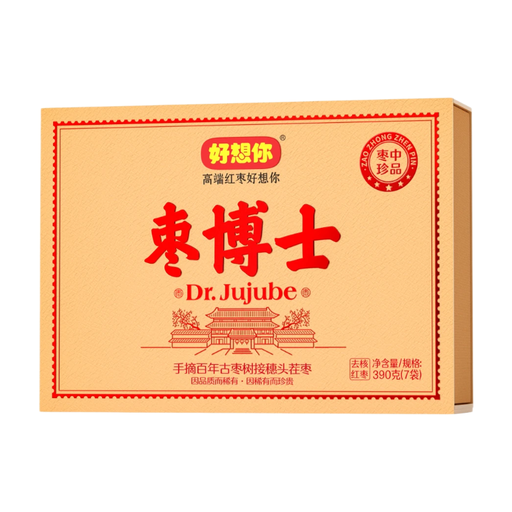
Haoxiangni Dr.Jujube Premium Gold-Grade Pitted, 390 g
The product information states that the pitted red dates are ready to eat.
Stated fat: 0 g per 100 g. Stated energy: 327 kcal per 100 g; sugars: 50 g per 100 g.
View on Joybuy
 No image available
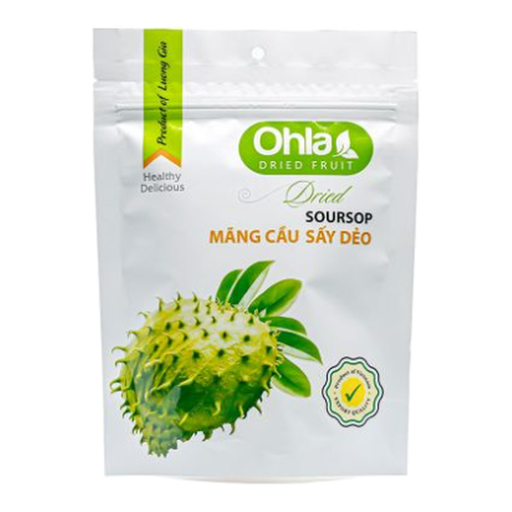
OHLA Dried Soursop, 180 g
The product information describes dried soursop as a snack. Check the ingredients if added ingredients are a concern for you.
Stated fat: 2.21 g per 100 g. Stated energy: 348 kcal per 100 g; sugars: 72.6 g per 100 g. The ingredients information lists white sugar, glucose syrup and sulphites.
View on Joybuy
 No image available
Haoxiangni Pitted Jujubes, 500 g
The product information says the pitted red dates can be enjoyed as a snack or used in dishes.
Stated fat: 0.5 g per 100 g. Stated energy: 300 kcal per 100 g; sugar: 60 g per 100 g.
View on Joybuy
 No image available
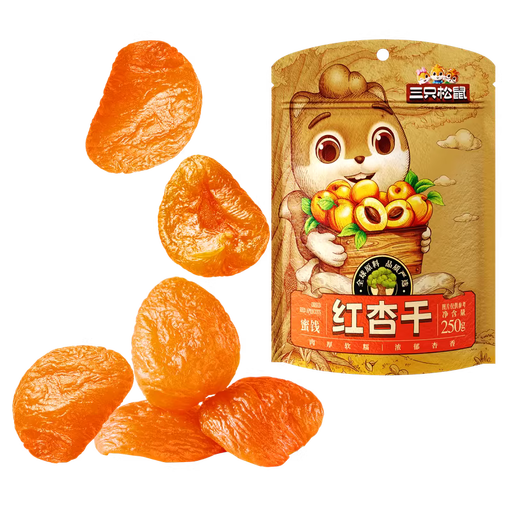
Three Squirrels Red Apricot Dried, 250 g
The product information describes the apricots as ready to eat. Check the ingredients if added sugars are a concern for you.
Stated fat: 0 g per 100 g. Stated energy: 311 kcal per 100 g; sugars: 62 g per 100 g. The ingredients information lists sugar, maltose syrup and sulphites.
View on Joybuy
 No image available
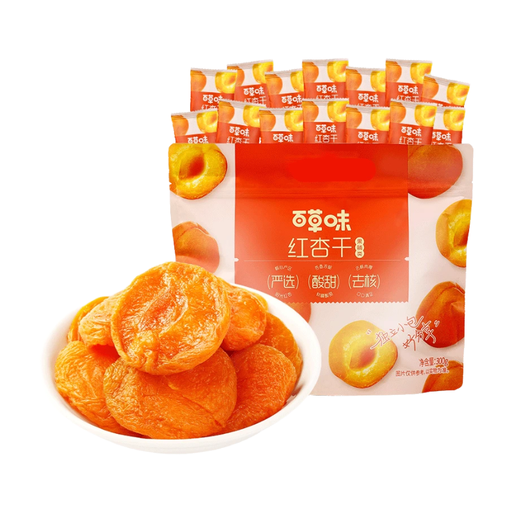
Be&Cheery Dried Red Apricots, 300 g
The product information describes the apricots as ready to eat.
Stated fat: 1.0 g per 100 g. Stated energy: 327 kcal per 100 g; sugars: 64.5 g per 100 g. Apricot makes up at least 60% of the ingredients; the information also lists added sugar, maltose syrup and sulphites.
View on Joybuy
Frequently asked questions
Do ‘low fat’ and ‘reduced fat’ mean the same thing?
No. The European Commission defines ‘low fat’ for solid foods as no more than 3 g of fat per 100 g. The Netherlands Bakery Centre explains ‘reduced’ as at least 30% less than comparable products; this explanation does not prove that a specific pack meets the applicable conditions.
How much dried fruit makes a small daily snack?
The Netherlands Nutrition Centre recommends a maximum of 20 g of dried fruit per day. Weigh your portion if you want to measure it precisely; a serving suggested on a pack isn’t necessarily the same as this dietary recommendation.
Does ‘no added sugars’ mean there’s no sugar in it?
No. The apricots reviewed from Albert Heijn and PLUS state 0 g of added sugars, but also 37 g and 53.4 g of total sugars per 100 g respectively. So check the ‘of which sugars’ line too.
Do dried apricots need to be refrigerated?
Follow the storage advice for the exact variety. Albert Heijn says the soaked apricots reviewed should be refrigerated after opening at a maximum of 7°C; PLUS advises storing its product in a cool, dry, dark place. Don’t automatically apply one product’s advice to all dried fruit.
What should you check if the recipient needs to avoid sulphites or nuts?
Check the ingredients and allergen information on the exact pack. The apricots reviewed from Albert Heijn, Jumbo and PLUS contain sulphites; Jumbo also states that traces of nuts, peanuts and sesame may be present. The NVWA states that allergen information for prepacked products must appear on the label.
How can you compare packs without looking only at the price per bag?
Compare the net weight and current price per kilo at the same time of purchase, and include any delivery costs. Choose a quantity that suits expected use, so you don’t mistake a larger pack for a nutritional benefit.


