Compare the fat content on the exact pack: the Albert Heijn, Jumbo and PLUS apricots we checked list 0.5–0.6 g of fat per 100 g, according to their official product information. For solid foods, the European Commission sets a maximum of 3 g of fat per 100 g for a ‘low fat’ claim. However, a low figure does not prove that the fat content has been reduced compared with a similar product. For a lighter snack, also check the energy, sugars and how much you eat.
Who is this relevant to?
Low fat is your top priority
You want to choose a low-fat fruit snack as part of your regular shop and check what a claim means for the exact product. For solid foods, the European Commission sets a maximum of 3 g of fat per 100 g for a ‘low fat’ claim.
Mindful of snack portions
You pay attention to energy, sugars and how much you actually eat, as well as fat. Voedingscentrum recommends eating no more than 20 g of dried fruit a day; this is dietary guidance, not a legal purchase limit.
Practical stock-up shoppers
You choose a pack that suits how much you use and how you can store it. Storage advice varies by product; Albert Heijn, for example, says to refrigerate its soaked apricots after opening.
What should you look for when buying?
| What to consider |
What to look for |
Who is this important for? |
| Fat content and claim |
Compare the fat per 100 g on the pack of the exact product. For solid foods, the European Commission sets a maximum of 3 g per 100 g for a ‘low fat’ claim. A low figure alone does not prove a reduction compared with similar products. |
If low fat is the deciding factor for you, check the claim against the label for that exact product. Around 29% of consumers put fat content first. |
| Energy, sugars and portion size |
Compare energy and sugars per 100 g, and measure out your own portion. Voedingscentrum recommends eating no more than 20 g of dried fruit a day; this is dietary guidance, not a legal purchase limit. |
If you want a lighter snack, how much you actually eat matters, along with fat, energy and sugars. Around 29% of consumers say portion size and energy and sugar intake are the deciding factors. |
| Pack size |
Check the net weight and choose an amount that suits how often you use the product. The packs we checked vary in size, from 250 g to 375 g for the apricots mentioned, for example. |
As part of your regular shop, you want to choose a pack that suits how you use it, not just the amount in the bag. Around 18% of consumers prioritise choosing the right amount. |
| Storage after opening |
Read the storage instructions for the specific product. Once opened, AH Soaked Dried Apricots must be refrigerated at a maximum of 7°C. |
If you use a pack over several occasions, you’ll want the storage instructions to fit your routine. Around 12% of consumers say practical storage and being able to use a product more than once are the deciding factors. |
| Sulphites and allergens |
Check the allergen information on the current pack if sulphites or another allergen are relevant to you. All three apricot products we checked list sulphites. |
If you have a sensitivity, check the ingredients and allergen information before looking at the fat content. Around 12% of consumers put suitability for a relevant sensitivity first. |
Common pitfalls
-
Assuming low fat means low sugar or that you can snack without limits
The Albert Heijn, Jumbo and PLUS apricots we checked list 37–53.4 g of sugars per 100 g. So a low fat content doesn’t tell you how much energy and sugar you’ll get from your own portion.
Check fat, energy and sugars together, and measure out a portion. Voedingscentrum recommends eating no more than 20 g of dried fruit a day.
-
Treating all fruit snacks as the same product
According to Albert Heijn, AH Banana Chips contain coconut oil and sugar and list 30 g of fat per 100 g. That’s a different composition from the apricots we checked.
Compare the label for the exact product, rather than relying on the word ‘fruit’ in its name.
-
Confusing a pack’s serving suggestion with dietary guidance
Albert Heijn gives a serving size of 50 g for its soaked apricots. Voedingscentrum recommends eating no more than 20 g of dried fruit a day; these amounts serve different purposes.
Choose the portion that suits you, and always compare nutritional values on the same weight basis.
-
Storing soaked apricots like regular dried fruit after opening
Albert Heijn says to refrigerate AH Soaked Dried Apricots after opening at a maximum of 7°C, and notes that they have a limited shelf life.
Before buying, check that you can keep the pack refrigerated and use it in time.
If the storage instructions don’t suit how you use the product, some of the pack may go unused.
Brands to consider
Albert Heijn
The range includes soaked apricots and banana chips, examples of fruit snacks with different compositions.
- Official product information lists 0.6 g of fat per 100 g for AH Soaked Dried Apricots.
- Once opened, these apricots must be refrigerated at a maximum of 7°C. AH Banana Chips list 30 g of fat per 100 g; these product details don’t apply to the whole range.
Jumbo
Pitted dried apricots in a 250 g pack are an option if you want to measure out your own portion.
- Official product information lists 0.5 g of fat and 237 kcal per 100 g. The ingredients list says 99.8% apricots and E220.
- The product lists sulphites and may contain traces of nuts, peanuts and sesame. The label values don’t prove that its fat content has been reduced compared with a similar product.
Lidl
Alesto mango strips offer a different fruit flavour from apricots within Lidl’s range.
- Lidl describes the mango strips as having no added sugars.
- Lidl also notes that they contain naturally occurring sugars. This retailer claim does not show that the fat content has been reduced and is not an independent nutritional comparison.
Aldi
The Dutch ALDI product page lists a 500 g pack of Trader Joe's raisins, suitable if you’re looking for a larger supply.
- The product page confirms the product type and pack size.
- ‘Top quality’ is ALDI’s description, not an independent assessment of quality.
PLUS
PLUS Dried Apricots comes in a 375 g stand-up pouch, for anyone looking for a pack to use over several occasions.
- Official product information lists 0.5 g of fat, 254 kcal, 53.4 g of sugars and 0 g of added sugars per 100 g.
- The product lists sulphites. These label values apply to this product and don’t prove that its fat content has been reduced compared with a similar product.
Dirk
Dirk sells 1 de Beste Apricots in a 375 g pack. The retailer suggests enjoying them as a snack, with breakfast or in baking recipes.
- The official product description confirms the product name, pack size and suggested uses.
- ‘Healthy snack’ and ‘best quality’ are retailer claims, not proven nutritional benefits or independent assessments of quality.
Dried fruit at Joybuy
These Joybuy products are relevant when comparing fat content, portion size and uses for dried fruit; nutritional values and usage information apply to each product listed.
 No image available
Zohra Medjool Dates (M) 908 g
An option if you want to enjoy dates as a snack or use them as an ingredient, and compare the fat content of individual products.
The product description lists pitted dates, 100% dates, 0.5 g of fat and 264 kcal per 100 g. Store below 15°C and reseal carefully after opening.
View at Joybuy
 No image available
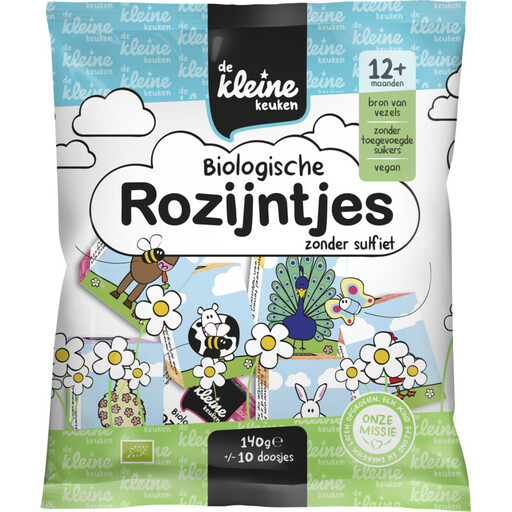
De Kleine Keuken Organic Raisins 12M+ 140 g
The individual boxes are an option if you’re looking for a measured snack portion.
The product description lists ten 14 g boxes, no added sugars and no sulphites. According to the description, suitable from 12 months; supervise children while they eat. Not suitable for children with swallowing difficulties.
View at Joybuy
 No image available
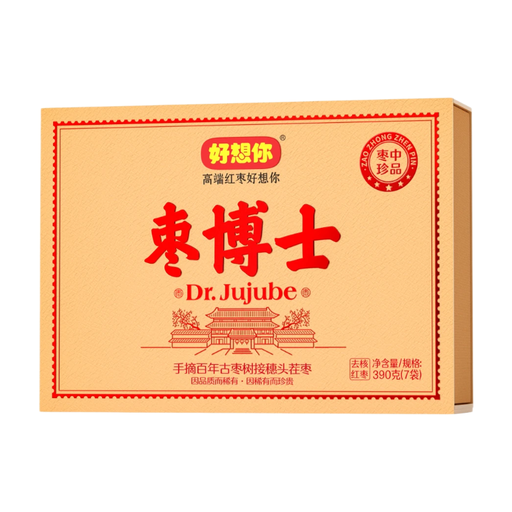
Haoxiangni Dr.Jujube Premium Gold-Grade, Pitted 390 g
This product can be useful for comparison if low fat is one of your selection criteria, while keeping the listed sugars and energy in mind.
The product description lists 0 g of fat, 50 g of sugars and 327 kcal per 100 g. Jujube is listed as the ingredient; reseal carefully after opening.
View at Joybuy
 No image available
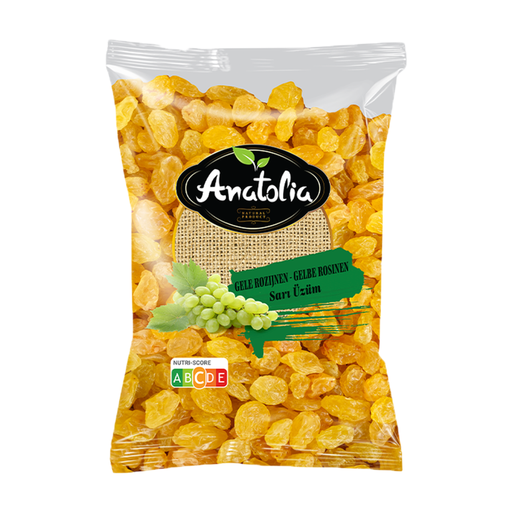
Anatolia Sari Uzum Raisins 500 g
An option if you’re looking for raisins to enjoy as a snack or add to breakfast cereals and dishes.
The product description lists 100% dried grapes and suggests adding them to breakfast cereals, bakes, salads and dishes.
View at Joybuy
 No image available
Haoxiangni Pitted Jujubes 500 g
These pitted jujubes are an option if you’re looking for dried fruit to snack on or use in dishes.
The product description lists 0.5 g of fat, 60 g of sugars and 300 kcal per 100 g, with 100% red dates as the ingredient. Store in a cool, dry place.
View at Joybuy
Frequently asked questions
Does ‘low fat’ mean the same as ‘reduced fat’?
No. For solid foods, the European Commission sets a maximum of 3 g of fat per 100 g for a ‘low fat’ claim. ‘Reduced fat’ refers to a reduction compared with similar products; a low figure on the label alone doesn’t prove that reduction.
How much dried fruit does Voedingscentrum recommend?
Voedingscentrum recommends eating no more than 20 g of dried fruit a day. This is dietary guidance, not a legal purchase limit, and it isn’t automatically the same as the serving size shown on a pack.
Should you refrigerate dried fruit after opening?
Follow the advice for the exact product. For AH Soaked Dried Apricots, Albert Heijn says to refrigerate after opening at a maximum of 7°C and notes that they have a limited shelf life. For the dried apricots we checked, Jumbo and PLUS advise storing them in a cool, dry, dark place; this is not general advice to refrigerate all types of dried fruit.
What should you look for in allergen information?
According to the Netherlands Food and Consumer Product Safety Authority, allergen information for pre-packed products must appear on the label. Check the current pack if sulphites or another allergen are relevant to you, including any warnings about traces.
What do sulphites mean for your choice?
Sulphites may be used as a preservative in dried fruit. Stichting Voedselallergie describes reactions to sulphites as intolerance reactions. If you need to avoid sulphites, the three apricot products we checked, which list sulphites, are not suitable choices.


