
Vandaag of morgen in huis

Kwaliteit gegarandeerd

Welkomstaanbiedingen ontgrendelen: GRATIS bezorging | Tot 80% korting | Gratis 30 dagen JoyPlus-proefperiode
Download de app
The label on a loaf of bread can sometimes raise more questions than it answers. Terms like 'healthy', 'whole grain', or 'less sugar' are not always a guarantee of a product that fits your specific dietary goals. Especially when you're looking for low-carb bread, it's easy to make the wrong choice. A bread might contain less sugar, for example, but still be high in simple carbohydrates.
This guide is designed to provide clarity. We focus on factual, verifiable product characteristics, so you can make an informed choice based on the nutrition facts and ingredient list.
To determine if a bread is suitable, you should look at several objective criteria. These specifications are always found on the packaging.
The amount of carbohydrates per 100 grams is the most important indicator. Regular whole wheat bread often contains between 40 and 45 grams of carbohydrates. Products marketed as 'low-carb' or 'carb-reduced' are typically significantly below this. A good guideline is to look for breads with less than 25 grams of carbohydrates per 100 grams. Also, pay attention to the amount of sugars, a component of the total carbohydrates. It's best to choose products with no added sugars.
A lower carbohydrate content is often compensated by a higher protein content. Proteins contribute to the maintenance of muscle mass and provide a long-lasting feeling of satiety. A high-protein bread typically contains more than 10 grams of protein per 100 grams. This makes it an excellent choice for athletes or for anyone looking for a more filling meal.
Fibers are essential for healthy digestion and help maintain stable blood sugar levels. A high-fiber bread is a great foundation. Most low-carb breads, often made from seeds, kernels, and specialty flours, are naturally rich in fiber. A product with more than 8 grams of fiber per 100 grams can be considered high-fiber.
A short, clean ingredient list is often a good sign. The base of low-carb bread usually consists of water, seeds (like flaxseed, sunflower seeds), kernels, nuts, and flours with a lower carbohydrate content (such as oat, almond, or soy flour). Products based on whole, unprocessed ingredients naturally contain their original nutrient ratios.
Based on the criteria above, we have selected products that stand out for their unique nutritional profiles.
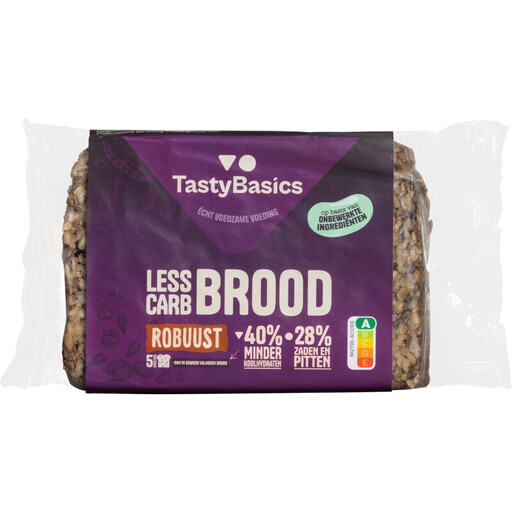
Why this product? This bread from TastyBasics has a nutritional profile that closely aligns with the needs of someone following a low-carb diet. Its base of water, oats, and a 28% seed mix ensures a low carbohydrate count and a high content of protein and fiber. According to the manufacturer, TastyBasics, this bread contains 40% fewer carbohydrates than regular whole wheat bread.
Benefits (based on specifications per 100g):
Who is this suitable for? This bread is particularly suitable for individuals who want to significantly reduce their carbohydrate intake, such as people following a ketogenic or low-carb diet. It is also an excellent option for athletes due to its high protein content.
View product details on Joybuy.nl

Why this product? This rye bread focuses less on an extremely low carbohydrate content and more on the purity of its ingredients. It is made from 60% whole grain cracked rye and contains no added sugars. The emphasis is on using unprocessed ingredients, resulting in a product that is naturally high in fiber.
Benefits (based on specifications per 100g):
Who is this suitable for? This bread is a great choice for those looking for a bread with no added sugars and a high fiber content, but who are not necessarily following a strict low-carb diet. It fits well with a health-conscious lifestyle that prioritizes unprocessed and clean foods.
View product details on Joybuy.nl
The products mentioned above have been specifically selected based on their carbohydrate, protein, and fiber profiles. You may, of course, be looking for a different type of bread, such as traditional whole wheat, multigrain, or spelt. Each bread has its own unique composition and nutritional value.
For a broader overview of different types of bread, you can browse our full assortment. View our full range of regular bread.
Although the terms are often used interchangeably, there is a subtle difference. Low-carb bread typically contains the fewest carbohydrates, often less than 15-20 grams per 100 grams. Reduced-carb bread contains more carbohydrates than the 'low' version but still significantly less than regular bread, for example, between 20 and 30 grams per 100 grams. It is always advisable to check the nutrition facts.
Diet has a direct impact on blood sugar levels. Products with fewer carbohydrates can be a suitable choice for some people with diabetes. However, everyone's situation is unique. It is crucial to always discuss dietary choices, especially with a medical condition like diabetes, with a doctor, dietitian, or diabetes nurse. They can provide personalized advice tailored to your health situation.
Low-carb bread, like other breads, has a limited shelf life. Store it in a sealed package in a cool, dry place, such as a bread box. For longer storage, you can freeze the bread (in slices). This allows you to thaw what you need at a time, preserving its freshness.
