
Vandaag of morgen in huis

Kwaliteit gegarandeerd

Welkomstaanbiedingen ontgrendelen: GRATIS bezorging | Tot 80% korting | Gratis 30 dagen JoyPlus-proefperiode
Download de app
A lotion may seem like a simple skincare product, but there’s a wide range to choose from. A facial lotion may be designed to cleanse, hydrate or exfoliate, while a body lotion is primarily intended to provide comfort and moisture and leave skin feeling smooth. If you choose based only on the brand, a large bottle or a claim such as “72-hour hydration”, you could easily end up with a product that doesn’t suit your skin or routine.
Body lotion is usually designed for larger areas of skin and often has a richer formula. Facial lotion, on the other hand, may contain exfoliating or purifying ingredients. So don’t automatically use body lotion on your face, and always check which areas the product is intended for.
An exfoliating lotion may contain ingredients such as salicylic acid, gluconolactone or lactobionic acid. Product information may link these ingredients to the removal of dead skin cells or excess sebum. That doesn’t mean that using them more often is always better. Follow the instructions on the packaging and stop using the product if irritation occurs.
With products containing salicylic acid, such as some versions of Clinique Clarifying Lotion, it’s especially important to follow the instructions for use. Avoid contact with your eyes and lips, and don’t combine several exfoliating products without checking first.
A claim such as “72-hour hydration” refers to a specific test or measurement method. For example, NIVEA states that its Repair & Care Body Lotion claim was tested on 44 people after one application. The claim for NIVEA Express Body Lotion is described as clinically proven. These are product claims made by the brand; they don’t automatically mean that everyone will experience the same results.
Also check for fragrance, alcohol and potential allergens. A product may be suitable for daily use but still contain ingredients that don’t suit your preferences or your skin.
Start by choosing your main goal:
Ingredients are listed in descending order on the label. An ingredient near the top is generally present in a larger amount than one near the bottom. Also check for fragrance and alcohol if you prefer to limit these.
A lotion can serve several purposes:
A hydrating lotion doesn’t automatically replace a cleanser. Use products in the order stated on the label, and usually apply body lotion to clean skin.
Don’t compare only the price of the bottle; compare the price per millilitre too. A 400 ml bottle may be better value for daily use on the body, while 125 or 200 ml may be more practical for a facial lotion. A pump bottle can be handy in the bathroom, while a tube takes up less space and is easier to take with you.
A fast-absorbing, non-greasy texture is often a good choice for daytime use. A richer formula may feel more comfortable on very dry skin, but it may also feel heavier. It mainly comes down to personal preference and when you plan to use it.
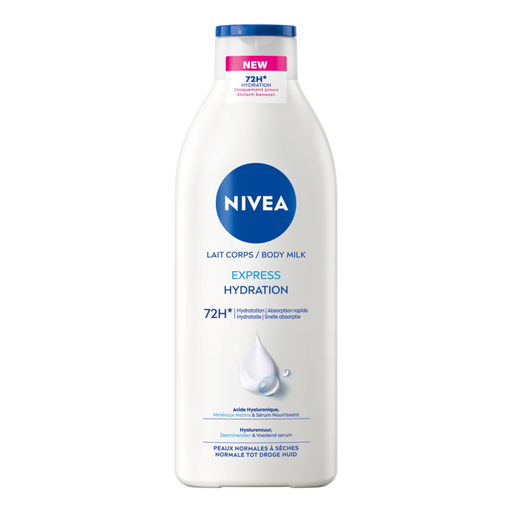
Why it suits this profile: The generous bottle is designed for daily use all over the body. Its lightweight texture and fast absorption make it a good fit for a simple routine.
The product information clearly states that it’s for normal to dry skin, contains 400 ml and is for use on the body. Check the label for fragrance allergens.
400 ml, glycerin and sodium hyaluronate in the ingredients list, plus a formula that the manufacturer describes as lightweight and non-greasy.
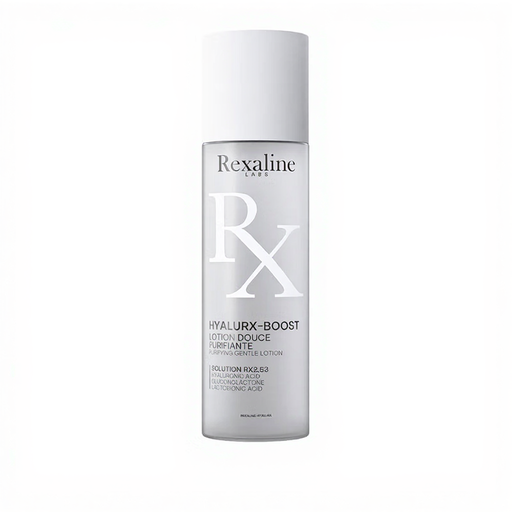
Why it suits this profile: According to the product description, this compact facial lotion combines a fluid texture with gluconolactone, lactobionic acid, glycerin and hyaluronic acid.
Its purpose and intended area of use are described more specifically than for a general-purpose lotion. Use the exfoliating ingredients as directed on the label.
50 ml, described in the product specifications as suitable for all skin types, including sensitive skin, with 99% natural ingredients according to the brand’s claim.
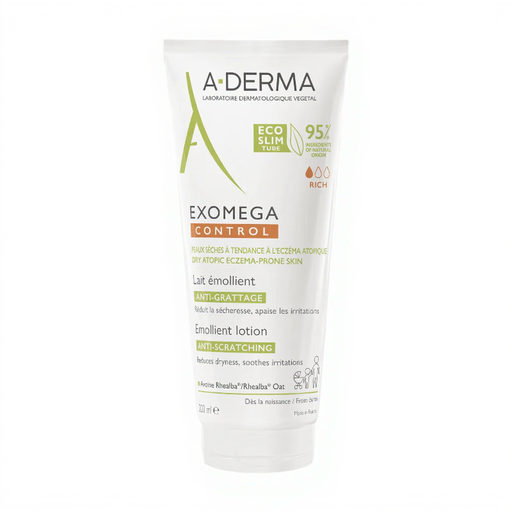
Why it suits this profile: According to the product information, this lotion is designed for dry, sensitive skin and can be used on the face and body. That makes it a practical choice for a regular daily routine.
The packaging states that it is fragrance-free and describes a fluid, non-greasy texture. Always check the current ingredients list before use.
200 ml, suitable for use on the face and body, a fragrance-free formula and Rhealba oat extract, according to the product description.
We’ve put together a complete, up-to-date list of products that meet these strict selection criteria and current European safety regulations.
Lotion is usually more fluid, so it often absorbs faster. Cream is generally thicker and can feel richer on the skin. The exact texture varies from one formula to another, so check the product description and ingredients list rather than relying on the name alone.
It depends on the type. A hydrating body lotion is often designed for daily use. The packaging may say that an exfoliating facial lotion can be used once or twice a day, but your skin’s reaction is what matters. If you’re unsure, start by using it less often, and don’t combine it straight away with other acids or scrubs.
Check the expiry date and the period-after-opening symbol on the packaging. Store lotion as instructed, usually at room temperature and out of direct sunlight. If its smell, colour or texture changes, stop using it and check the manufacturer’s information.
