
Same-day & Next-day Delivery

Quality Guaranteed

Unlock Your Welcome Offers: FREE Delivery | Up to 80% OFF | Free 30-day JoyPlus trial
Download the APP
A stock of long-life ready meals is handy for busy workdays, unexpected guests, a student room or a well-stocked cupboard. However, not every product is equally suited to your situation. A meal might seem cheap, but contain few portions. A tin may last a long time, but need to be refrigerated quickly once opened. And a flashy term like “authentic” doesn’t automatically tell you anything about ingredients, nutritional values or preparation time.
With these checkpoints, you can make more targeted choices from tinned goods, soups, fish products and international ready-to-eat meals.
A 570 ml pack sounds generous, but according to the label it may be intended for two portions. Conversely, a 280 g tin is usually more suited to one light meal or part of a larger dish. So always check:
This way, you avoid a quick meal requiring more extras than you expected.
Tins and pouches are suitable for storage outside the fridge when the label says so. However, the best-before date remains important. Store products in a dry, cool place away from direct sunlight. Also check tins for:
Do not use a product if the packaging is damaged. Once opened, the storage situation changes: many products must be covered and kept in the fridge, and eaten within the time stated on the label.
Words like “authentic”, “rich” or “natural” don’t automatically give you the full picture. Instead, look at verifiable information, such as the amount of vegetables, meat or fish, the salt content, allergens and preparation method. As for claims about product properties: according to the brand’s product information, a recipe may be stated to contain no artificial colours or preservatives. Always check the current packaging before purchase, as composition and labelling can change.
Compare products on the same basis: usually per 100 g. Pay attention to salt, saturated fat, protein and carbohydrates. A ready-to-eat soup may be light per 100 ml, but a full pouch sometimes contains two portions. With tinned fish, the difference between total weight and drained weight is important.
For example, the Princess Tuna Fillet In Water 160 g states per 100 g drained product: 23.5 g protein, 0.5 g fat and 0.9 g salt. This makes the product particularly suitable as an addition to salad, bread or pasta. The larger three-pack Princess MSC Tuna In Water has a total weight of 306 g and is practical if you use tinned tuna more often.
Read the ingredients list before buying, especially if you have a food allergy or dietary requirement. Look not only at the fourteen main allergens, but also at cross-contamination information. Examples from this range:
The packaging is definitive. Product information online may be more detailed or different from the current packaging.
A tinned meal can often be heated directly, whereas a pouch usually needs to be opened first and heated in a pan or microwave-safe dish. Do not heat food in its packaging if the label forbids it. Also check whether the product is ready to eat or needs to be thoroughly heated.
For an emergency stock, products that can be stored at room temperature are practical. For everyday use, a short preparation time, a suitable portion and easy disposal or recycling of the packaging are at least as important.
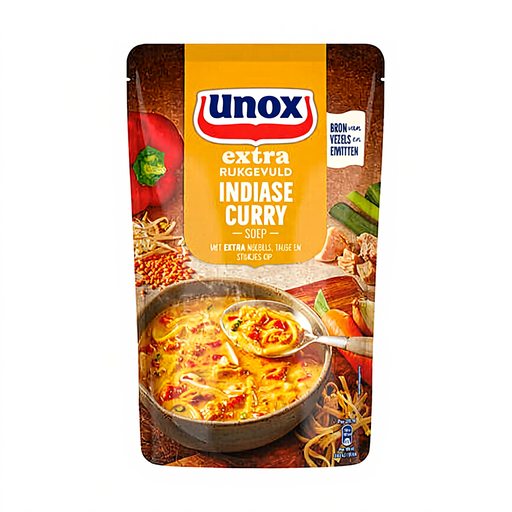
Why this fits the profile: According to the product information, the pouch contains two bowls of soup and can be heated on the hob in just a few minutes. That suits students, single people and households who don’t want to cook elaborate meals every day.
The portion information makes it clear that one pack does not equal one large meal. You can plan ahead for two bowls and the corresponding nutritional values.
570 ml content, two stated bowls, with vegetables, noodles, beansprouts and chicken according to the product description.
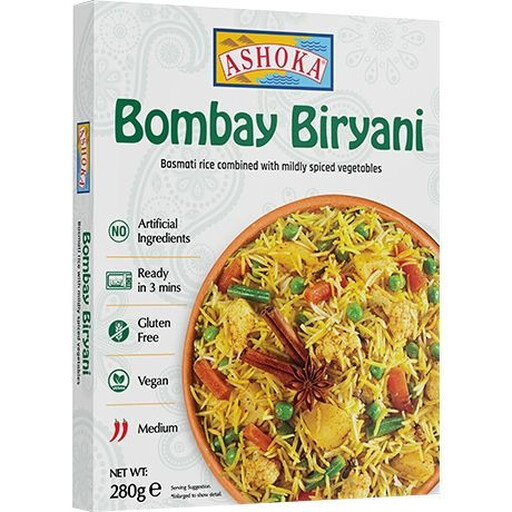
Why this fits the profile: For lovers of world cuisine who want a vegetarian and, according to the product information, vegan Asian ready meal without having to combine rice and spices themselves.
The description clearly states the weight, ingredients and preparation method. This means you can base your choice on rice, vegetables and allergens rather than just the name.
280 g, basmati rice and 18% mixed vegetables according to the product information; designed to be simply heated and served.
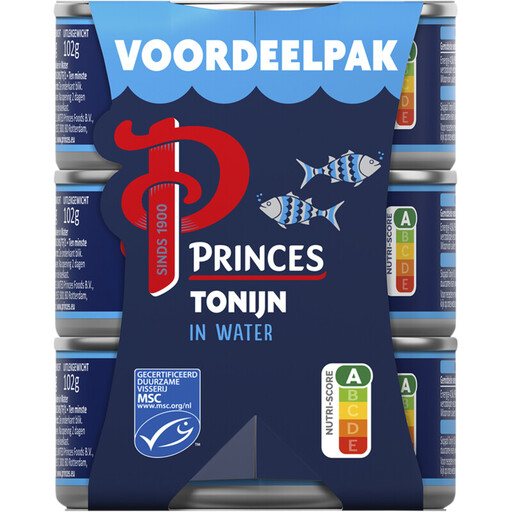
Why this fits the profile: A three-pack is practical for households that regularly use tinned tuna in salads, wraps, pasta or a quick meal.
This is three separate packs. That means you don’t have to store a large opened quantity straight away. Once opened, according to the product information, the product must be kept refrigerated and used within two days.
Total weight 306 g; tuna in water; MSC-certified according to the product information; suitable for hot and cold dishes.
We’ve put together a full, up-to-date list of products that fully meet these strict selection criteria and comply with current European safety regulations.
With a varied stock, you don’t have to eat the same thing every time. For example, combine:
With meat products, pay attention to ingredients and allergens. Products like luncheon meat and tinned ham can be relatively high in salt. Also keep a mix of single-serving packs and larger packs, depending on the number of people in your household.
Always follow the best-before or use-by date on the packaging. The actual storage duration depends on the product, the packaging and the storage conditions. Store everything in a dry, cool place away from direct sunlight. Do not use bulging, leaking or damaged packaging.
They can be, when the label states that the product can be stored unrefrigerated. Choose a combination of meals, soup, beans, rice products and tinned fish. Check the dates regularly and place products with the shortest remaining shelf life at the front.
A multipack can be practical if you use the product regularly. Compare not just the price of the pack, but also the price per 100 g, the drained weight and the number of portions. An individual pack is often handier if you want to try a flavour first or have limited storage space.
