
Vandaag of morgen in huis

Kwaliteit gegarandeerd

Welkomstaanbiedingen ontgrendelen: GRATIS bezorging | Tot 80% korting | Gratis 30 dagen JoyPlus-proefperiode
Download de app
Ordering a carton of milk online might seem straightforward – until you have to choose between semi-skimmed milk, whole milk, skimmed milk, lactose-free milk or organic milk. The packaging can be confusing too: a 1-litre carton, a multipack, or a variety that needs to be chilled after opening.
The main pitfall is that terms on the packaging don’t always tell you the same thing about ease of use. UHT milk can be stored outside the fridge when unopened, but once opened, the carton usually needs to go in the fridge. What’s more, different types of milk vary clearly in fat content, taste and application. A milk that’s pleasant to drink isn’t automatically suitable for cappuccino or cooking.
Thanks to UHT treatment, long-life milk often has a longer unopened shelf life than fresh milk. That doesn’t mean every product can sit outside the fridge indefinitely. Always check the label and storage instructions. An opened carton usually needs to be kept chilled and used within the stated period.
Semi-skimmed milk contains less fat than whole milk, while skimmed milk has virtually no fat. This affects the taste and mouthfeel, but doesn’t tell you everything about the overall nutritional value. So compare the table per 100 ml. Look at energy, fat, saturated fat, carbohydrates, protein and salt.
For filter coffee, many types of milk will work. For cappuccino or latte, frothing ability plays a bigger role. The ratio of fat to protein, and the temperature when frothing, affect the result. A standard semi-skimmed milk can work, but a product that the manufacturer has developed specifically for coffee will be better suited to this purpose.
First, choose based on your daily use:
For example: Campina Semi-Skimmed Milk, 1.5 litres, states 1.5 g of fat per 100 ml, while Campina Whole Milk, 1 litre, contains 3.6 g of fat per 100 ml. Both list calcium and protein among other things, but the fat content and portion size differ.
A 1-litre carton of milk suits a small household, occasional use or limited fridge space. For families or people who use milk daily, a multipack can be more practical. Pay attention to:
A multipack isn’t better value if some of it goes unused. For lactose-free milk, both individual cartons and a pack of 6 x 1 litre are available. So choose the quantity based on your actual consumption.
Milk products generally contain milk as an allergen. Drinking yoghurt may also contain fruit juice, sugar, sweeteners, stabilisers or flavourings. So don’t just look at the front of the packaging. The ingredients list and nutritional information table give you a better basis for comparison.
Also watch out for differences between the product description and the packaging. Manufacturers can change packaging, and some product details may vary by market or pack size. Use the physical label as your guide, especially for allergies, intolerances and storage advice.
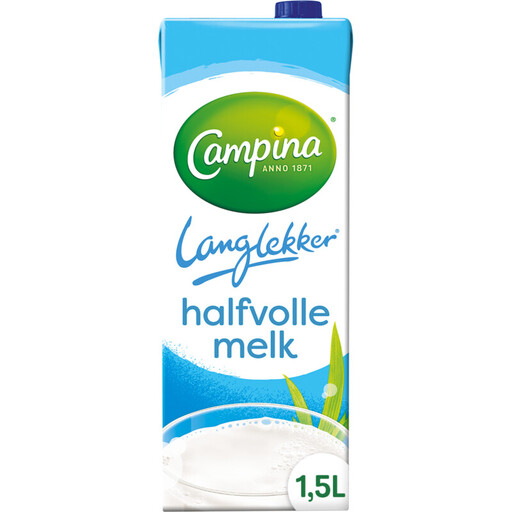
Why this fits the profile: The 1.5-litre pack is handy for daily use by a household that regularly drinks milk or cooks with it.
The contents and nutritional values are clearly stated, so you’re less likely to rely only on the product name or the front of the packaging.
1.5 litres per pack; 1.5 g fat and 49 kcal per 100 ml according to the product information.
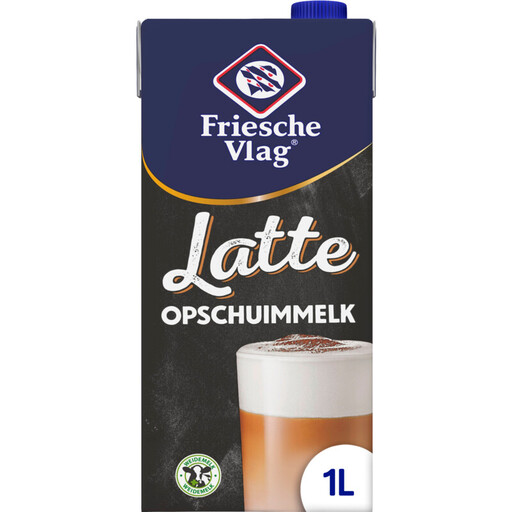
Why this fits the profile: If you make cappuccino or latte at home, you get a variety that, according to the product description, has been developed with baristas and is designed for frothing.
You’re not blindly choosing a standard milk for cappuccino; the product description explicitly states its purpose and recommends cold milk for frothing.
1 litre volume; 4.1 g fat and 3.7 g protein per 100 ml according to the stated nutritional values.
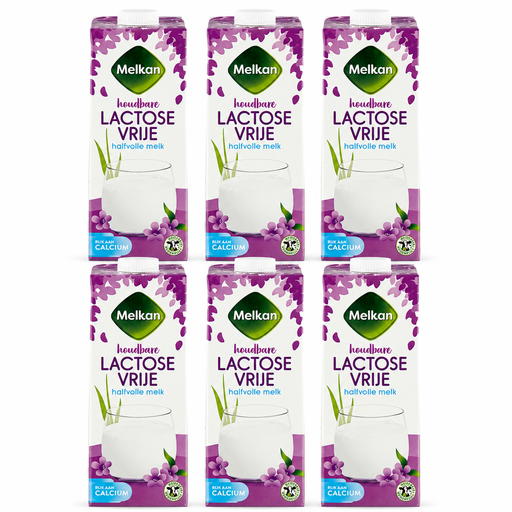
Why this fits the profile: A bulk pack suits households that use lactose-free milk daily for drinking, breakfast or cooking.
The multipack means you don’t have to order a new carton every time you use it, while each carton contains 1 litre individually.
6 x 1 litre; 1.6 g fat, 3.2 g protein and 120 mg calcium per 100 ml according to the product information.
We’ve put together a full, up-to-date list of products that fully meet these strict selection criteria and comply with current European safety regulations.
For a fuller mouthfeel, you could look at Campina Whole Milk, 1 litre. According to the product data, this contains 3.6 g of fat per 100 ml. Jersey Creamy Milk states 6 g fat, 4.2 g protein and 140 mg calcium per 100 ml. That could suit anyone looking for a creamier milk for coffee, but compare the nutritional values with your own preference.
Organic long-life milk is also available, such as B+ Organic Long Life Semi-Skimmed Milk. With this type of product, check the organic certification mark, the ingredients list and the storage information. For a household that uses milk often, multipacks of Campina Semi-Skimmed Milk and Campina Whole Milk are also available.
Drinking yoghurt is not a direct substitute for regular milk. Products such as Melkan Red Fruit Drinkyoghurt and Fristi contain fermented milk and fruit pieces. They are intended as a drink or snack. Pay particular attention to sugar, sweeteners, portion size and the instruction “serve chilled”.
Once opened, long-life milk should generally be stored in the fridge. Use the product within the period stated on the packaging. The exact time can vary by brand and product.
An unopened UHT carton can often be stored outside the fridge according to the product instructions, in a cool place away from direct sunlight and heat. After opening, the carton usually needs to be kept chilled.
A milk with a suitable fat-to-protein ratio can froth well. According to its own product description, Friesche Vlag Latte Milk has been specially developed for latte and cappuccino. Use cold milk and follow the temperature instructions on your coffee machine. The result can also vary depending on the frothing method and appliance.
