
Vandaag of morgen in huis

Kwaliteit gegarandeerd

Welkomstaanbiedingen ontgrendelen: GRATIS bezorging | Tot 80% korting | Gratis 30 dagen JoyPlus-proefperiode
Download de app
For many households, a pantry without long-life milk is unthinkable. It offers the convenience of always having milk on hand for your coffee, cereal, or a quick sauce. But the long-life milk aisle is vast, and the choices can be overwhelming. From whole milk to special barista milk, the labels make big promises. Unfortunately, this often leads to unnecessary expenses or products that don't meet expectations.
Before you fill your shopping cart, it's wise to consider a few common pitfalls. This will help you avoid paying for marketing buzzwords instead of quality.
You don't need to be a nutritionist to make a smart choice. By paying attention to a few key points, you can find the exact long-life milk that suits your needs.
The fat percentage largely determines the milk's flavour, texture, and application. The choice is personal, but here are the general guidelines:
All long-life milk is UHT milk. This means the milk has undergone an ultra-high-temperature treatment, allowing it to be stored outside the refrigerator.
Are you a coffee lover who dreams of perfect milk foam? Then the protein and fat content are the two most important factors.
A good frothing milk or barista milk has an optimised ratio between these two. This is often whole milk or a specially formulated product.
Organic milk comes from farms that meet specific requirements for animal welfare and feed. This is indicated by the European organic seal (the green leaf logo). Brands offering organic options, such as B+, often provide extra information on their packaging to clarify their product choices.
To help you choose, we've highlighted a few products that fit different user profiles.
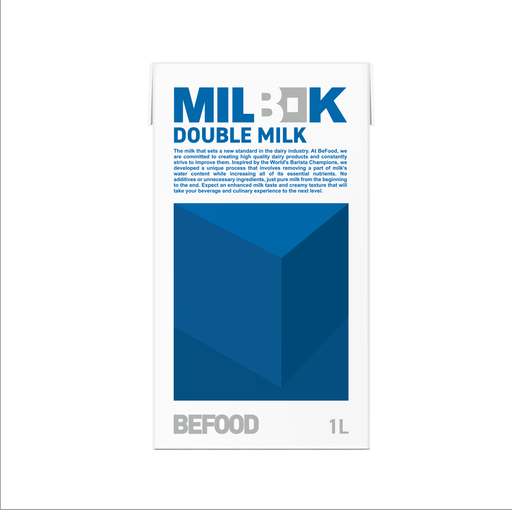
Why This Fits Their Persona: Specially developed for coffee drinks. Ideal for those who want to practice latte art at home or simply make an exceptionally creamy cappuccino, flat white, or iced coffee.
This is not a marketing gimmick. The specifications (5.5g protein and 5.0g fat) are objectively higher than standard milk, which explains its frothing performance.
Provides stable and creamy foam. Made from 100% cow's milk with no additives.
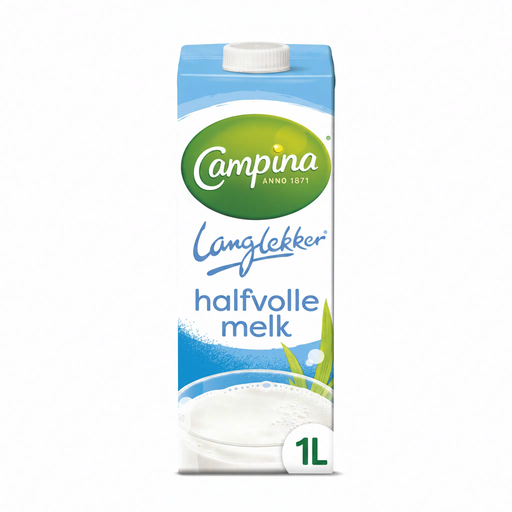
Why This Fits Their Persona: A reliable and versatile choice for daily use. Perfect for breakfast, in parents' coffee, and for cooking. A well-known brand that feels familiar to many.
This is a no-nonsense product. The 1-litre packaging is practical and helps prevent waste, unlike larger cartons that might not be finished in time.
Made from Dutch meadow milk. A versatile semi-skimmed milk suitable for almost any application.
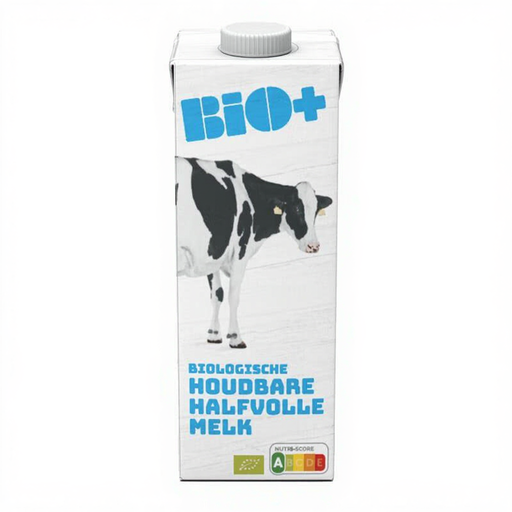
Why This Fits Their Persona: For those who value an organic origin. This milk carries the official seal and fits a conscious lifestyle without sacrificing the convenience of long-life milk.
The 'organic' label is not an empty claim here. It is backed by an official certification. The brand is also transparent about its nutritional values, for example, by participating in a Nutri-Score pilot.
Certified organic milk. The semi-skimmed version is a great middle-ground for daily use.
We have compiled a complete, up-to-date list of products that meet these selection criteria.
UHT milk is briefly heated to a very high temperature (above 135°C). This kills all bacteria, allowing the milk to be stored for months outside the refrigerator unopened. Fresh milk is pasteurised (heated to approx. 72°C), which means it must be kept refrigerated and has a shorter shelf life. The taste of UHT milk is sometimes described as slightly sweeter or more 'cooked' than that of fresh milk.
This is always stated on the packaging. Generally, long-life milk can be kept for 3 to 4 days in the refrigerator (at a maximum of 7°C) after opening. It is important to screw the cap back on tightly after each use to maintain freshness.
Technically, you can try to froth any milk, but the results will vary greatly. For a firm and creamy foam, milk with a higher protein and fat content performs better. Whole milk is often a good starting point. However, special barista milk is specifically formulated with an optimal protein-to-fat ratio for the best frothing results.
