
Vandaag of morgen in huis

Kwaliteit gegarandeerd

Welkomstaanbiedingen ontgrendelen: GRATIS bezorging | Tot 80% korting | Gratis 30 dagen JoyPlus-proefperiode
Download de app
A store cupboard stocked with long-life meals and soups is a lifesaver for busy weekdays, camping trips, unexpected guests, or an emergency supply. But not every tin or pouch is right for your situation. A large pack, for example, can be less economical if you end up throwing a lot away after opening. And a product with a long shelf life doesn't automatically suit your diet, taste, or cooking facilities.
As a Joybuy Product Recommendation Officer, I focus on the information you can verify: ingredients, nutritional values, portion size, cooking instructions, and storage advice. That way, you can make a more informed choice between tinned goods, ready meals, canned soup, and international specialities.
A long shelf life says nothing about the nutritional value, flavour, or suitability for your household. Always check the storage conditions too. Most products need to be kept cool, dry, and out of direct sunlight. A damaged, leaking, or bulging tin should not be used, even if the date hasn't passed.
Once opened, the storage instructions change. Luncheon meat, tinned meat, and canned tuna usually need to be covered and refrigerated. Always check the label for how quickly the product should be consumed.
A 570 ml pack isn't automatically right for two big eaters. Soups sometimes state how many bowls or cups the product is intended for. An 800 ml tin of Unox Tomato Soup is, according to the product information, enough for three bowls, whereas a 570 ml pouch is usually sold as two servings.
So compare the net weight, number of portions, and price per portion. For one person, smaller ready meals can be more practical. For a family or a store cupboard, a multi-pack – like tuna in several tins – can work out better.
Terms like "authentic", "high in protein", or "no artificial additives" should always be checked against the ingredients list and nutrition table. According to a brand's own research or the product description, a product might have a particular culinary origin or preparation method; that's no guarantee everyone will like the taste.
With Asian meals, vegetarian meals, and meat products, pay particular attention to:
Ingredients are listed in descending order by weight. If meat, fish, rice, or vegetables are at the top, they form a significant part of the recipe. Also check the fats, sauces, and starches if you're looking for a simple recipe.
A product may be described as vegetarian or vegan, but if you have allergies, always read the actual packaging. The composition and warnings on the label are what count.
Use the values per 100g to compare products fairly. Look at least at energy, fat, saturated fat, protein, carbohydrates, and salt. Bear in mind that a tin or pouch may contain several portions. The value per 100g might seem low, but in practice you could be eating the whole pack.
For example: John West MSC Tuna in Oil states 25g of protein and 15g of fat per 100g. Vismarine Tuna Chunks in Water states, according to the product information, 22.05g of protein and 0.48g of fat per 100g. So the choice depends on your preference for oil, water, flavour, and how you plan to use it.
A tin is sturdy and good for storage, but once opened you'll need a separate bowl for the microwave. A pouch is light and easy to store, but according to the packaging it usually needs to be heated in a pan or a microwave-safe bowl.
Also check:
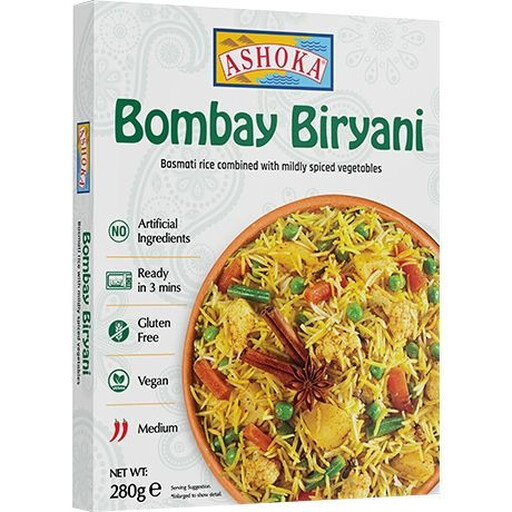
Why this fits the profile: This 280g ready meal can be heated straight away and combines basmati rice with vegetables and spices. Handy if you want a quick meal without much cooking experience.
The portion size and cooking method are clearly stated. According to the product information, it contains none of the 14 main EU allergens; do check this on the actual packaging.
280g per pack, with rice, potato, carrot, peas, and green beans. According to the product description, suitable for vegetarians and vegans.
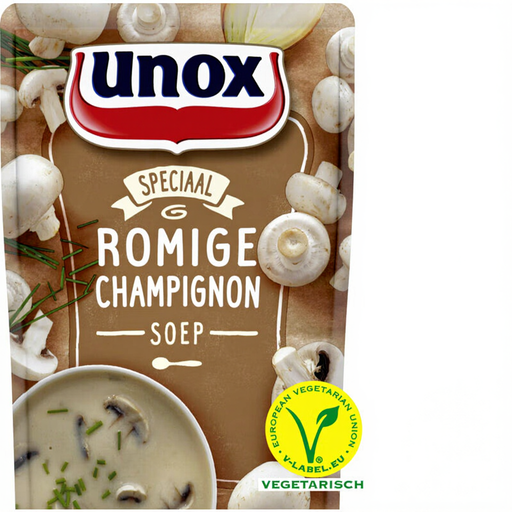
Why this fits the profile: A creamy vegetarian soup for two cups, with clear instructions for hob or microwave cooking. Ideal for a simple lunch or light evening meal.
The portion size, cooking time, and allergens are specified. The product information lists milk and gluten; this stops you relying solely on the term vegetarian.
570 ml, 12% mushrooms and 42 kcal per 100 ml according to the product information. Heating takes about three minutes in a pan.
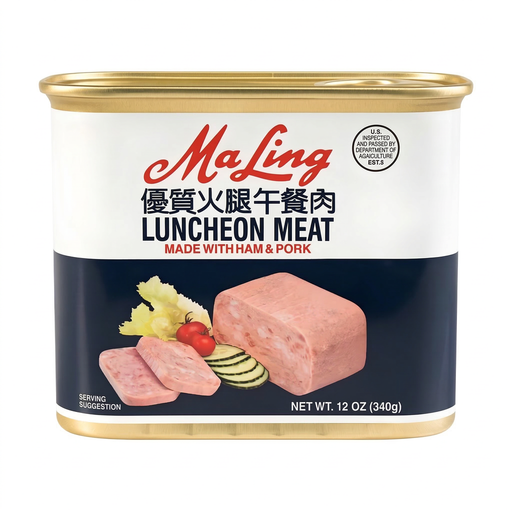
Why this fits the profile: A versatile meat product for sandwiches, stir-fries, soup, or a meal with rice. The tin can be stored outside the fridge when unopened.
The uses and storage conditions are clearly described. The ingredients list states pork, salt, and preservatives, so you're not basing your choice on the packaging alone.
340g, ready to eat and also suitable for frying. Per 100g, the product information states 12.5g protein and 1.9g salt.
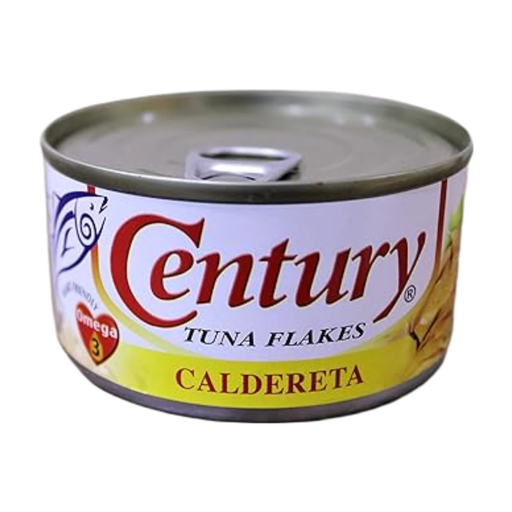
Why this fits the profile: This Filipino tuna meal is ready to eat and can be served hot or at room temperature. With rice or pasta, you can quickly turn it into a complete meal.
The product information clearly states fish and soya as allergens. It also says you should check the packaging for damage, leakage, or bulging before use.
Filipino style with tuna, tomato sauce, carrot, and pepper. Per 100g, the product information states 10g protein and 100 kcal.
We've put together a full, up-to-date list of products that fully meet these strict selection criteria and current European safety regulations.
The exact time is stated on the packaging. Store unopened products according to the storage advice and check the tin or pouch before use. Once opened, the product usually needs to be kept refrigerated and consumed within the stated period.
Yes, as long as you choose products you actually like, that can be stored unopened outside the fridge, and are simple to prepare. Combine, for example, soup, rice meals, tinned tuna, and tinned meat. Also think about a tin opener, drinking water, and a way to heat food safely.
That depends on the portion size and how you use it. Tinned food is often versatile and can be spread across several dishes. A ready meal saves time but usually comes in a fixed portion. So always compare the price per 100g and per complete meal.
