
Listeners who want to follow spoken audio
Cabin noise can make it harder to follow a spoken guide. The Consumers’ Association includes simulated aircraft engine noise when assessing headphones and earbuds.


If you’re listening to an audio guide on your own device, look for a comfortable fit, noise cancelling and the stated battery life per charge with noise cancelling switched on. If you also want to use the aircraft’s entertainment system, check separately which connection or adapter you’ll need. Manufacturer claims can’t tell you whether earbuds will feel comfortable in your ears.
Cabin noise can make it harder to follow a spoken guide. The Consumers’ Association includes simulated aircraft engine noise when assessing headphones and earbuds.
If you listen for hours at a time, it’s worth checking the fit and the sizes of ear tips available. Specifications can’t tell you whether a tip will feel comfortable.
If you switch between your own device and the onboard entertainment system, you’ll need to consider the seat’s connection. JBL says the Tour Pro 3 case can transmit audio from a compatible AUX or USB-C source.
First, decide how you’ll play the audio guide and whether you also want to use the onboard entertainment system. Then compare fit and listening time for your flight.
| What to consider | What to look for | Who is this important for? |
|---|---|---|
| Hearing speech clearly | Look for noise cancelling and a good seal; don’t miss safety announcements. | If I want to keep following the spoken guide over cabin noise, I prioritise speech clarity. Around 33% of consumers put speech clarity first. |
| Fit | Check which sizes of ear tips are available and whether the earbuds feel comfortable and stay securely in place. | If I’m listening for hours, I want earbuds that feel comfortable and don’t keep slipping out of place. Around 27% of consumers prioritise a comfortable fit for long periods. |
| Listening time per charge | Compare the stated battery life with noise cancelling on against your planned listening time, and allow for a charging break. | If I want to listen for as long as possible without interruption, I compare battery life per charge with the length of my flight. Around 27% of consumers prioritise listening time over taking a charging break. |
| Onboard connection | Check the seat’s connection and whether you’ll need an adapter or a compatible audio transmitter. | If I want to hear seat-back entertainment as well as my own guide, I check in advance how to connect to the audio source. Around 13% of consumers prioritise access to seat-back entertainment. |
A stated total play time including the charging case doesn’t mean you can listen for the whole time without recharging the earbuds in between.
Compare the battery life per charge with noise cancelling on against your planned listening time, and consider whether a charging break is practical.
If the earbuds run out of charge, you’ll have to stop listening while they recharge in the case.
The audio guide on your own device and the sound from the entertainment system are separate sources. The onboard connection can vary between aircraft.
Check the seat’s connection before you travel and find out whether you’ll need a suitable adapter or a wired alternative.
You may need a compatible adapter or a separate wired option to use the seat-back entertainment system.
Noise cancelling on its own doesn’t tell you whether earbuds feel comfortable or stay securely in place.
Check the sizes of ear tips available and assess the fit separately from the noise cancelling.
The WF-C710N is an in-ear model with noise cancelling and an ambient sound mode. Compare models individually: the WF-1000XM5 is a different product range.
The AirPods Pro 3 come with in-ear tips in five sizes, active noise cancellation and a Transparency mode.
The Tour Pro 3 is worth considering if you want to send audio from a compatible AUX or USB-C source to wireless earbuds, as well as listen from your own device.
Below are wired and wireless options to compare for listening from your own device. For each model, check the connection, fit and battery life relevant to your journey.
 Image unavailable
A wired option to compare if you don’t need Bluetooth. Check that your playback device has a compatible USB-C connection.
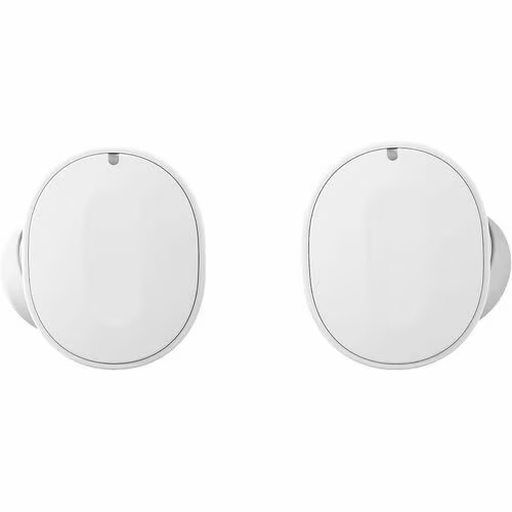 Image unavailable
A wireless in-ear option to compare for listening from your own device. The stated maximum battery life of 8 hours applies with noise cancelling off; check the stated battery life with noise cancelling on.
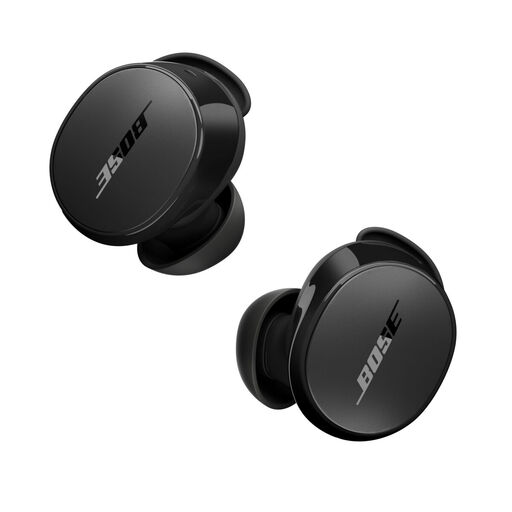 Image unavailable
An in-ear model to compare if noise cancelling matters when listening to your guide. Assess the fit and compare the battery life with your planned listening time.
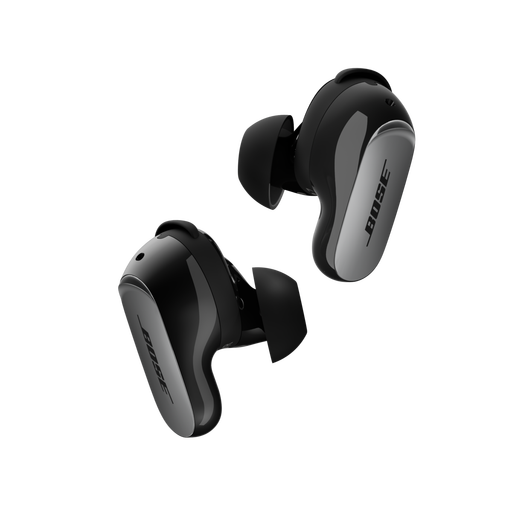 Image unavailable
A wireless in-ear option to compare for listening from your own device. The stated maximum listening time of 6 hours per charge is worth bearing in mind if you want to listen for a long time without a charging break.
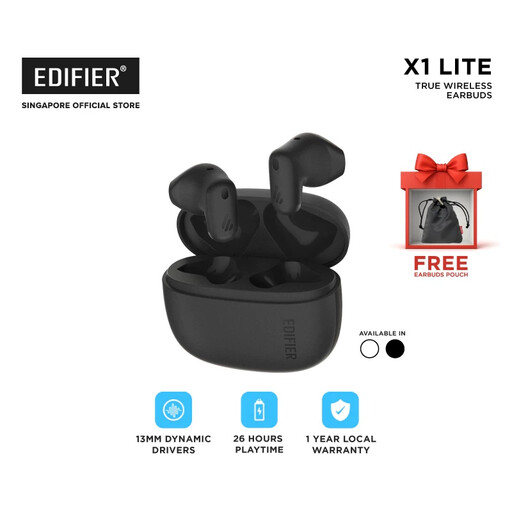 Image unavailable
A wireless option to compare for listening from your own device. Check the stated battery life and whether the fit is suitable for wearing over long periods.
It depends on the airline and the stage of the flight. Transavia allows Bluetooth devices to be used during the flight, but asks passengers to switch them off during take-off and landing. Check the instructions for your flight.
First, check which connection the seat has. KLM recommends wired headphones for its entertainment system and mentions a Bluetooth adapter for passengers who want to use their own Bluetooth headphones. JBL says the Tour Pro 3 case can transmit audio from a compatible AUX or USB-C source; check whether that connection is available on your flight.
Try the ear tips and controls in advance, charge the earbuds and case, and allow for a charging break if the battery life per charge is shorter than your listening time. The Consumers’ Association assesses wearing comfort, controls and battery life as separate features. Don’t take earbuds or a case with a faulty or damaged lithium battery on a plane; the Human Environment and Transport Inspectorate prohibits their transport by air.
In the Netherlands, you’re entitled to expect a product to be fit for purpose, but there’s no fixed statutory warranty period. The Government of the Netherlands says that if a product doesn’t meet the terms of the agreement, the seller must provide a solution. Consider whether an extended warranty offers any additional cover, and check the terms and conditions.
Don’t automatically turn up the volume. The World Health Organization points out that both sound level and listening time affect the risk of hearing damage. First, check the fit and use suitable noise cancelling where possible.