
Vandaag of morgen in huis

Kwaliteit gegarandeerd

Welkomstaanbiedingen ontgrendelen: GRATIS bezorging | Tot 80% korting | Gratis 30 dagen JoyPlus-proefperiode
Download de app
A lockable metal storage cabinet can keep tools, documents and household items organised. However, not every cabinet is right for every space. Choose the wrong size, a flimsy design or an unsuitable position, and your storage solution can quickly become impractical.
For DIY enthusiasts, garage owners, tradespeople and businesses, there are four common pitfalls to watch out for:
A steel storage cabinet is generally suitable for everyday use in a garage, office or workspace. Steel provides a sturdy enclosure and is relatively easy to clean. Check whether the product information mentions moisture resistance, rust protection and the finish.
For a cabinet made from sheet materials, such as a combination of steel and chipboard, check where each material is used. The metal exterior may be sturdy, while a sheet-material top will have different properties. It’s best not to leave this type of cabinet in a very damp environment for extended periods without ventilation.
An aluminium tool box is a different type of solution. Aluminium is lightweight and suitable for portable tools. A lockable tool box is therefore handy for transport or temporary storage, but offers less vertical storage space than a tall metal tool cabinet.
First, measure the space where you plan to put the cabinet. Leave room to open the doors and check that the cabinet will fit through doorways, stairwells or lifts.
Also consider:
An office storage cabinet often needs space for folders and equipment, while a garage storage cabinet usually needs to accommodate tool cases, fixings and maintenance products.
A key lock is useful when you want to restrict access to certain items. Check whether the cabinet comes with one or more keys and whether the doors close fully. A lock is no substitute for a certified safe. Store valuable documents or hazardous substances only in accordance with the relevant safety regulations.
Also check the stated load capacity. This may differ between the top and the adjustable shelves. Distribute heavy items evenly and place the heaviest ones as low down as possible. During installation, always use the supplied anti-tip kit if the product information specifies that you should.
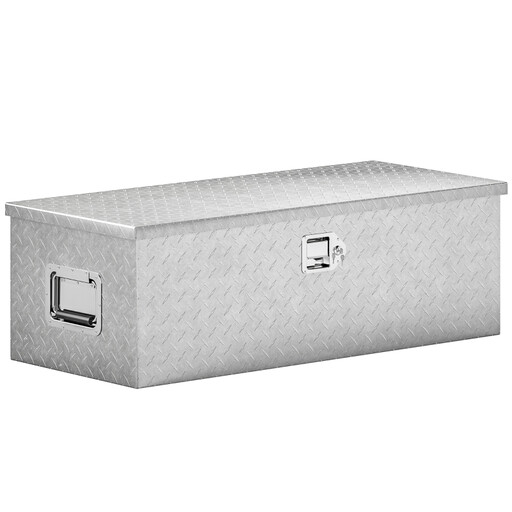
Why it suits this profile: This compact box is designed for anyone who mainly wants to organise and carry hand tools or small equipment. According to the product name, it has a capacity of 43 litres and measures 76,2 x 33 x 24,4 cm externally.
Its fixed external dimensions make it easy to measure up in advance. Just check that 43 litres is enough; this box is no substitute for a tall cabinet with multiple levels.
Aluminium construction, side handle, lock and two keys, according to the product information.
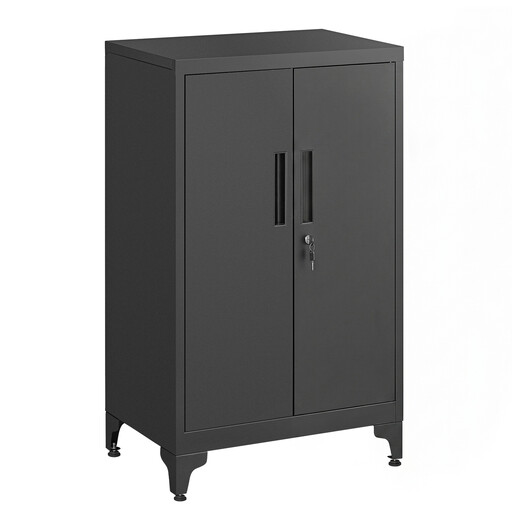
Why it suits this profile: This metal tool cabinet is ideal if you want to keep tools, files or household items together in one lockable cabinet. It measures 40 x 60 x 90 cm and has adjustable shelves.
The adjustable layout means you aren’t limited to fixed shelf heights. The included anti-tip kit helps you secure the cabinet safely and correctly to the wall.
Steel construction, lockable doors and adjustable shelves; stated capacity of 30 kg for the top and 25 kg per adjustable shelf.
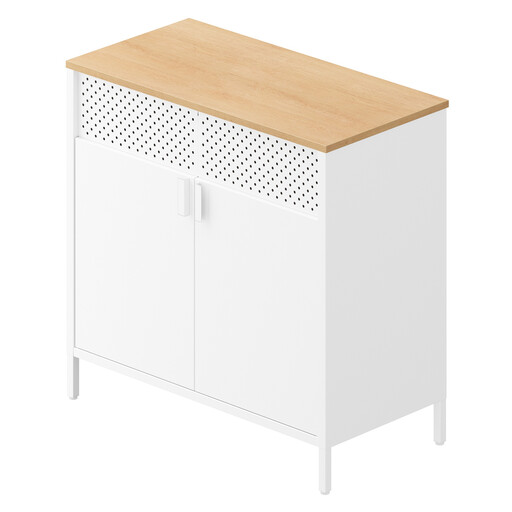
Why it suits this profile: Measuring 80 x 40 x 76 cm, this cabinet is suitable for an office, hallway, living room or light storage. The adjustable shelf and perforated panel offer flexibility for storing different items.
The cabinet isn’t restricted to one fixed shelf height. Bear in mind that the product information specifies a combination of steel and chipboard, and secure the cabinet to the wall.
Adjustable shelf, moisture-resistant, easy-to-clean steel cabinet according to the product information, plus a stated load capacity of 50 kg for the top.
We’ve put together a complete, up-to-date list of products that meet these strict selection criteria and the applicable European safety regulations.
Use clear containers or labelled boxes for screws, wall plugs and small parts. Keep frequently used items at eye level and heavier equipment at the bottom. This keeps your tool storage organised and means you won’t have to empty the cabinet as often.
For a garage organiser, it’s a good idea to group work gloves, cables and hand tools by type. In an office, you can use lockable cabinets for documents, but check in advance that the lock provides the right level of security for the sensitivity of the contents. Documents with specific storage requirements may need a certified archive or fire-resistant solution.
It depends on the product information and finish. A steel cabinet described as moisture-resistant isn’t automatically suitable for prolonged exposure to rain or condensation. Ideally, place it indoors or under a sheltered canopy, and avoid direct contact with a wet floor.
Level the cabinet, follow the assembly instructions and use the supplied anti-tip kit if one is included. Check in advance that the wall is suitable for the fixings. Distribute the contents evenly and place heavy items at the bottom.
Its lifespan depends on the load, moisture, installation and maintenance. Keep the cabinet dry, avoid overloading the shelves and treat any damage to the finish according to the manufacturer’s instructions. A cabinet that is used correctly will generally remain functional for longer than one that is regularly overloaded.
