
Vandaag of morgen in huis

Kwaliteit gegarandeerd

Welkomstaanbiedingen ontgrendelen: GRATIS bezorging | Tot 80% korting | Gratis 30 dagen JoyPlus-proefperiode
Download de app
A bottle of liquid detergent may seem straightforward to choose, but the differences between variants matter. A detergent for whites is not automatically suitable for black clothing. And a large bottle does not always mean you will wash more economically.
The most common pitfalls:
For everyday use with coloured clothing, colour detergent or detergent for coloureds is usually a better choice than a detergent for whites. A product for black clothing is designed for dark fabrics, while detergent for whites often contains optical brighteners or other ingredients that you do not want to use on dark washing.
Also consider the fabrics:
Wash light, dark and newly coloured clothing separately. Always check the care label; a detergent may be suitable for a particular type of textile, while the temperature or programme may still be unsuitable.
A concentrated detergent often uses fewer millilitres per cycle. Therefore, do not just look at the number of litres, but also consider:
The At Home Color product information, for example, states 35 ml for a normal load and up to 42 washes from 1.5 litres. Robijn Small & Powerful Color states 30 ml per wash and 22 washes from 665 ml. These are verifiable details that allow you to compare products more fairly.
Dose according to the label and adjust the amount to the water hardness. In the Netherlands, water hardness can vary from one area to another. Too little detergent may be less effective in hard water; using too much mainly increases consumption.
Not every detergent has been specially developed for a short programme. If you are looking for detergent for short wash programmes, look for a clear statement to that effect on the packaging.
According to its product description, Robijn Advanced QuickWash has been developed for short programmes, including a 15-minute programme. Omo Color is also described in the available product information as suitable for short programmes and low temperatures. This does not mean that every type of stain will disappear in a short cycle. For stubborn dirt, pre-treating, a longer programme or a higher permitted temperature may be necessary.
When choosing an eco-friendly detergent, several factors are relevant:
According to Marcel’s GREEN SOAP product information, the formula is palm-oil-free, microplastic-free and at least 95% biodegradable. Neutral Color states that it contains 97% biodegradable ingredients, 0% fragrance and 0% colourants. Ecover states that its bottle is made from 100% used and recycled plastic and that the formula contains plant-based active ingredients. These are product claims made by the brands or suppliers; always check the current packaging and ingredients list before buying.
“Hypoallergenic” or “dermatologically tested” does not guarantee that everyone will tolerate the product without problems. For sensitive skin, a fragrance-free product is a sensible first choice. Stop using it if irritation occurs and follow the safety information on the label.
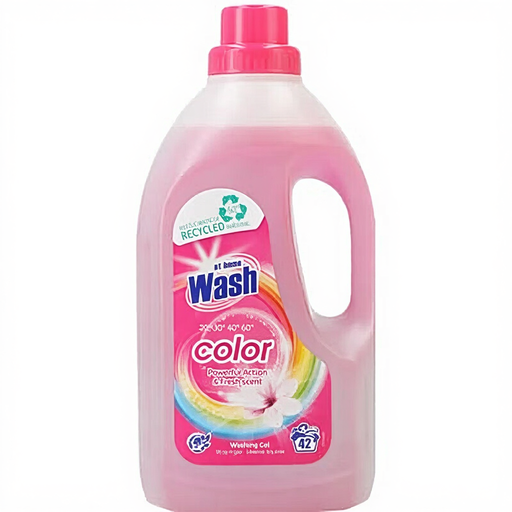
Why it suits this profile: The bottle is intended for coloured washing and states that it provides up to 42 washes. This makes it easy to compare running costs.
The stated number of washes prevents you from judging the product solely by the bottle size. Use the dosage on the label, especially with hard water or larger loads.
1.5 litres, up to 42 washes, suitable for machine and hand washing, and intended for coloured fabrics.
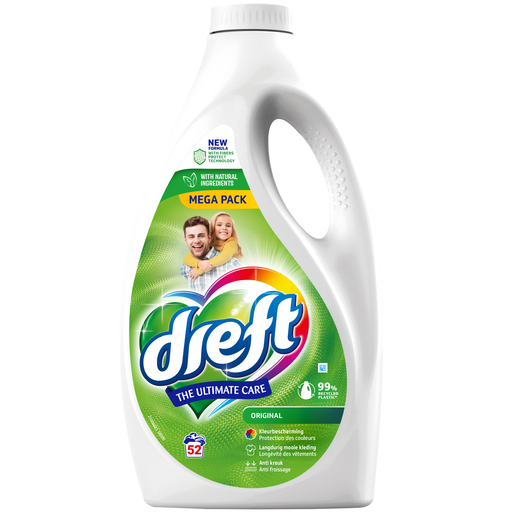
Why it suits this profile: This concentrated detergent is aimed at households that wash frequently and want a higher number of washes per pack.
The product information states that it provides 52 washes and has a concentrated formula. This allows you to compare the contents and dosage with other options.
52 stated washes, suitable for coloureds and whites, and a bottle made from 99% recycled plastic according to the product description.
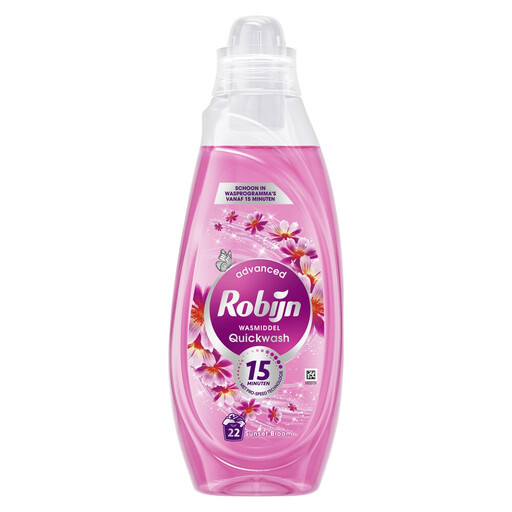
Why it suits this profile: A household that uses many short wash programmes may benefit from a variant that, according to the product description, has been specifically developed for short cycles.
Its suitability for short programmes is clearly stated. The product is not intended for wool or silk, so you can take this limitation into account in advance.
Developed for short programmes, 22 stated washes and suitable for several textile types apart from wool and silk.
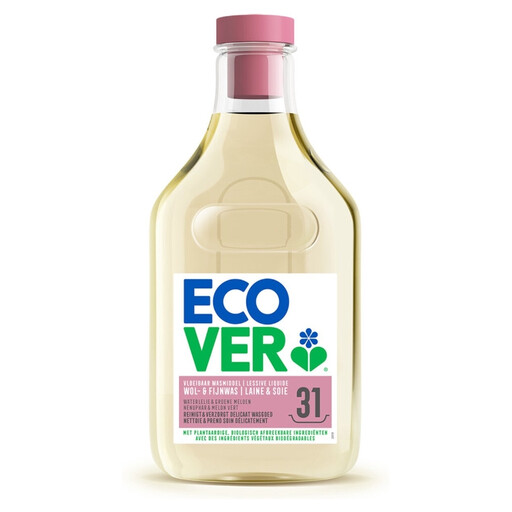
Why it suits this profile: According to the product information, this variant is suitable for wool, silk and delicates, and includes features intended for sensitive skin types.
Its use for delicate washing is clearly defined. The dosage varies according to water hardness and the type of washing, so you do not use the same amount blindly.
31 washes, suitable for wool and silk according to the product description, and a bottle made from 100% used and recycled plastic.
We have compiled a complete, up-to-date list of products that fully meet these strict selection criteria and the applicable European safety regulations.
That depends on the product formula. Choose a variant that explicitly states that it has been developed for short programmes. Dose according to the label and take the amount of laundry and level of soiling into account. A short programme is not always enough for stubborn stains.
Follow the expiry and storage information on the packaging. Keep the bottle tightly closed, in a cool, dry place and out of the reach of children. Do not use a product whose smell, colour or consistency has changed significantly. The official expiry date or other shelf-life information is stated on the packaging.
You can only assess this per wash. Divide the purchase price by the stated number of washes, then check the recommended dosage. A concentrated detergent may require fewer millilitres, but the price per cycle remains the relevant comparison. Also take special offers, delivery costs and the amount you actually need into account.
