
Vandaag of morgen in huis

Kwaliteit gegarandeerd

Welkomstaanbiedingen ontgrendelen: GRATIS bezorging | Tot 80% korting | Gratis 30 dagen JoyPlus-proefperiode
Download de app
Liquid detergent is easy to measure and usually dissolves quickly, even at low temperatures. However, not every bottle is suitable for every wash. A detergent for coloured clothing, for example, may be less suitable for whites, while a fragranced formula is not automatically suitable for sensitive skin.
The packaging does not always tell you the whole story, either. Before buying, check the intended use, number of washes and safety information.
A 1.5-litre bottle may look like good value, but the number of washes depends on the recommended dosage. So do not just compare millilitres; focus mainly on the price per wash. Concentrated detergent uses fewer millilitres per cycle, but may cost more per bottle.
An all-purpose detergent is practical for everyday use, but wool, silk and other delicate fabrics often require a formula designed for delicate materials. Always check the care label. According to the product description, some colour and universal detergents are not suitable for wool and silk.
Terms such as hypoallergenic, dermatologically tested and fibre protection describe product properties or tests, but they do not guarantee that everyone will tolerate the detergent without problems. According to Neutral’s product information, its colour and delicates variants are free from perfume and dyes. Dreft describes fibre protection as a product feature. If you have sensitive skin, always read the ingredients list and safety warnings.
Sort clothes by colour and material. Wash new coloured garments separately the first few times to check for any colour run.
If you often use a short programme, choose a detergent that the product description says is suitable for this purpose. Dreft Quick Wash Fiber Protection is designed for short programmes and low temperatures. Robijn Advanced QuickWash was developed for a 15-minute short programme. Robijn Small & Powerful Color states that it can be used at 15, 30 and 40 degrees.
However, always check the care label and level of soiling. Stubborn stains may require a longer programme or a higher permitted temperature. A detergent for low temperatures is therefore not automatically enough for heavily soiled laundry.
A useful comparison should include at least:
Measure the detergent based on the load size, water hardness and level of soiling. Using too much liquid detergent increases consumption and may leave residue behind. Do not pour the detergent directly onto fabrics unless the packaging explicitly allows this. Use the detergent drawer or a dosing ball according to the instructions.
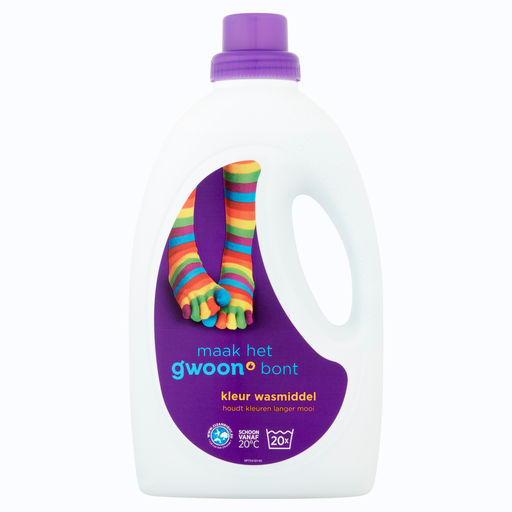
Why it suits this profile: A straightforward choice for households that mainly wash normally soiled coloured laundry and want to follow clear dosing instructions.
The product information lists dosages for different drum sizes, levels of soiling and water hardness. This means you do not have to measure by guesswork.
Suitable for 20, 30, 40 and 60 °C; stated to provide 20 washes and suitable for machine and hand washing.
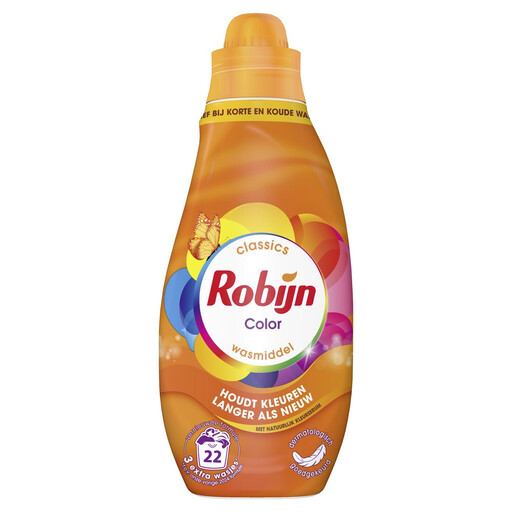
Why it suits this profile: A compact option for anyone who values colour retention, a low dosage and washing at short cycle times or low temperatures.
The stated dosing advice is 30 ml per wash. This allows you to compare the number of washes rather than just the bottle size.
Ultra-concentrated; according to the product information, suitable for coloured and mixed laundry at 15–40 °C and for short programmes.
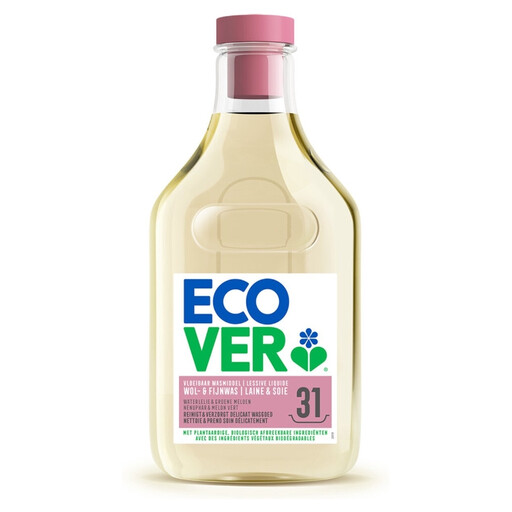
Why it suits this profile: Designed for households with wool, silk and other delicate clothing that prefer to use a separate detergent for delicate fabrics.
The product description explicitly lists wool and silk as suitable applications and gives separate dosages for machine and hand washing.
1.43 litres for 31 washes; according to the product information, suitable for cold washes and 30–40 °C.
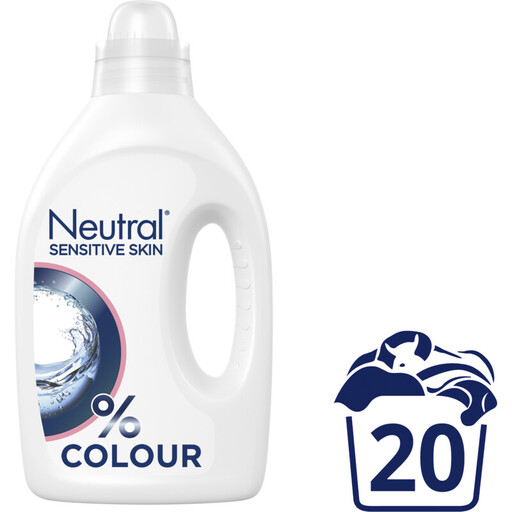
Why it suits this profile: A sensible choice for coloured laundry if you prefer to avoid perfume and dyes.
The product details state 0% perfume and 0% dyes. However, if you have an individual sensitivity, always check the full packaging.
1 litre for 20 washes; stated to be hypoallergenic and dermatologically tested.
We have put together a complete, up-to-date list of products that fully meet these strict selection criteria and the applicable European safety regulations.
That depends on the formula. Products such as Dreft Quick Wash Fiber Protection and Robijn Advanced QuickWash are designed for short programmes, according to their product descriptions. Also check the maximum load and the care label. A short programme is mainly suitable for lightly to normally soiled clothing.
The expiry or batch information is shown on the packaging. Store the detergent tightly closed, in a dry place and away from direct sunlight. Do not use a product if the packaging is damaged or if its smell, colour or consistency has clearly changed.
Not necessarily. Compare the price per wash based on the recommended dosage. A smaller bottle may provide more washes through a lower dosage than a larger bottle requiring a higher dose. Also consider special offers, delivery costs and the volume per pack.
Look for a hypoallergenic detergent for sensitive skin and check whether it is free from perfume and dyes. According to the product information, Neutral Color and Neutral Delicates state 0% perfume and 0% dyes. If irritation occurs, stop using the product and follow the safety information on the label.
