
Vandaag of morgen in huis

Kwaliteit gegarandeerd

Welkomstaanbiedingen ontgrendelen: GRATIS bezorging | Tot 80% korting | Gratis 30 dagen JoyPlus-proefperiode
Download de app
The detergent aisle can be overwhelming. Dozens of bottles promise the cleanest laundry, the most radiant colours, and an irresistible scent. It's tempting to grab the bottle that's on special offer, but is that always the smartest choice? Often, it's not. Many households unknowingly make choices that end up being more expensive in the long run or don't give their laundry the proper care.
Before you put a liquid detergent in your shopping basket, it's wise to be aware of two common pitfalls:
detergent for whites truly bright white or to protect the colours of your favourite garments.To avoid a bad purchase, it's helpful to base your choice on a few objective criteria rather than on marketing claims. Pay attention to the following three points.
Not all laundry is the same. A good starting point is to have at least two types of detergent at home:
colour detergent is designed to protect colours and prevent them from fading or bleeding. It contains no bleaching agents. Brands like Robijn detergent and Omo detergent have specific variants for this.detergent for whites often contains optical brighteners. These make the fabric appear whiter. Do not use this on coloured laundry, as it can affect the colours.Additionally, there are special detergents for black laundry, delicates (like wool and silk), and sportswear.
The ingredients determine not only the cleaning power but also how suitable a detergent is for your household.
Do you have sensitive skin or allergies? Then opt for a sensitive skin detergent. Products like Neutral detergent are often hypoallergenic and contain 0% perfume and 0% dyes. Look for claims like "dermatologically tested" on the packaging.
More and more brands are also focusing on sustainability. Look for specifications such as the percentage of biodegradable ingredients and whether the bottle is made from recycled plastic.
The price of the bottle says little about the final cost. A cheap bottle may be less concentrated, meaning you need more per wash. The smartest way to compare is by calculating the price per wash.
Example calculation: A bottle costing €15 for 100 washes costs €0.15 per wash. A bottle costing €5 for 20 washes costs €0.25 per wash.
A bulk-size detergent is often more economical and significantly lowers the cost per wash.
Based on these criteria, we have highlighted a few popular choices that suit different households.
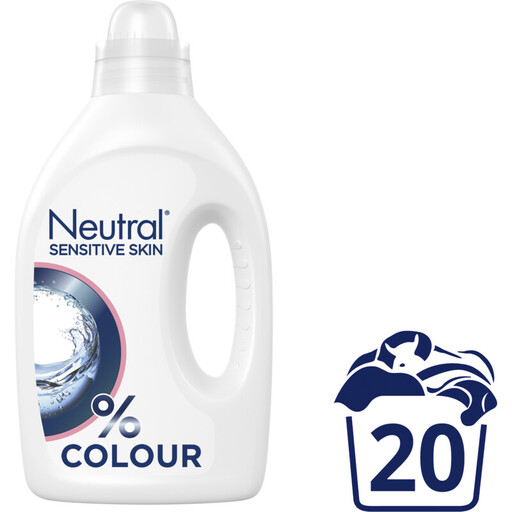
Why This Fits Their Persona: Ideal for families where skin irritation or allergies are a concern. This detergent is specially formulated to clean coloured laundry without unnecessary additives that can irritate the skin.
This isn't a 'one-size-fits-all' product, but a specialist. It focuses on one task—cleaning coloureds for sensitive skin—and does it well.
Contains 0% perfume and 0% dyes. The formula is hypoallergenic and dermatologically tested, which reduces the risk of skin reactions.
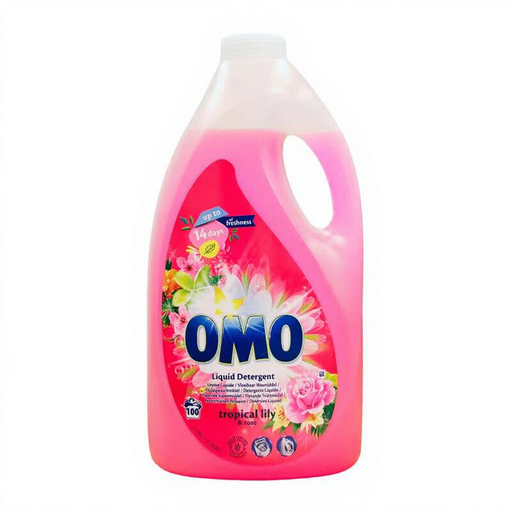
Why This Fits Their Persona: Perfect for large families or anyone who does a lot of laundry and watches their budget. This bulk-size detergent offers excellent value for money and ensures you're set for a while.
This product bypasses the 'number of washes' myth by offering a realistic and large quantity, making the cost per wash transparent and low.
Good for 100 washes, which lowers the cost per wash. The formula is effective at low temperatures and in short wash cycles, helping to save on energy costs.
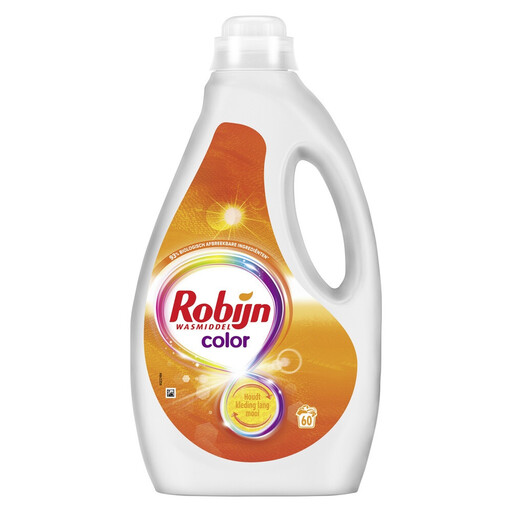
Why This Fits Their Persona: For those who want to keep their coloured clothes beautiful for longer and appreciate a fresh scent. Robijn is a trusted brand known for its focus on colour protection and scent experience.
This is a specialised detergent for coloured laundry, not a 'one-size-fits-all' compromise. It is specifically formulated to protect colours.
According to the manufacturer, the formula contains a Color Serum for long-lasting colour protection. The ingredients are 93% biodegradable.
We have compiled a complete, up-to-date list of products that meet these selection criteria and current regulations.
Yes, you can, and it is often recommended. By placing the detergent in a dosing ball directly with the laundry, it dissolves more effectively and prevents residue from being left in the detergent drawer. However, always check the instructions on the product packaging.
The correct amount depends on three factors: the hardness of the water in your region, how dirty the laundry is, and the size of the load. Every bottle has a dosing table. Using too much detergent is wasteful and can leave residue, while using too little won't get your clothes properly clean.
Each type has its own advantages. Liquid detergent dissolves well, even at low temperatures, and is useful for pre-treating stains. Powder detergent is often effective on stubborn stains and can be more economical. Capsules offer convenience but are less flexible in dosing. The choice depends on your washing machine, your laundry, and your personal preference.
