
Vandaag of morgen in huis

Kwaliteit gegarandeerd

Welkomstaanbiedingen ontgrendelen: GRATIS bezorging | Tot 80% korting | Gratis 30 dagen JoyPlus-proefperiode
Download de app
A lip tint sounds simple: apply it, let it settle and you’re done. In practice, however, the result can often be disappointing. The colour may look different from the online photo, the finish may feel too dry or the tint may remain mainly on the inside of the lips. Comparing products carefully helps you avoid a poor purchase and choose one that suits your make-up routine.
Lighting, camera settings and your natural lip colour all affect how a tint looks. For example, a warm pink tint may appear deeper or more neutral on pigmented lips. So don’t just look at the colour name. Check the description, undertone and finish too.
A long-lasting lip colour or lip stain can leave colour behind after the shine has faded. That is practical, but some formulas may feel drier afterwards. Product descriptions sometimes use terms such as “hydrating” or “comfortable”. Treat these as properties stated in the product information from the brand or seller, rather than a guarantee for every user.
A glossy lip tint provides more shine, but the glossy layer may fade faster when eating and drinking. A matte lip tint looks more understated and may transfer less, but it requires extra care if you have dry, flaky skin. A lip tint is therefore not the same as a lip gloss: the tint colours the lips, while lip gloss mainly adds shine and a smooth appearance.
Start by choosing the look you want:
A formula described as non-sticky can be useful if your hair, scarf or face mask regularly comes into contact with your lips. Also check whether the applicator is suitable for creating a precise edge or for quick application.
Look out for words such as warm pink, mauve, terracotta, nude or brick. A warm undertone often contains more peach, orange or brown nuances. Cool shades tend to lean more towards mauve, blue-red or berry.
Coverage is also important. A semi-sheer tint gives a natural wash of colour. A highly pigmented formula may be clearly visible in a single layer. If you’re unsure, a buildable tint is practical: start with a thin layer and add colour to the centre of the lips.
Always check the ingredients list, particularly if you have sensitive lips. Various reference products contain ingredients including glycerine, squalane, oils, fragrances and colourants. A product containing perfume or several colourants is not automatically unsuitable, but it may be less appropriate for some users.
Check the use-by date or period after opening on the packaging. Do not use lip products for longer than indicated and close the packaging properly. Stop using the product if irritation occurs and avoid direct contact with the eyes. If you are prone to sensitivity, testing a new product on a small area of skin may be advisable.
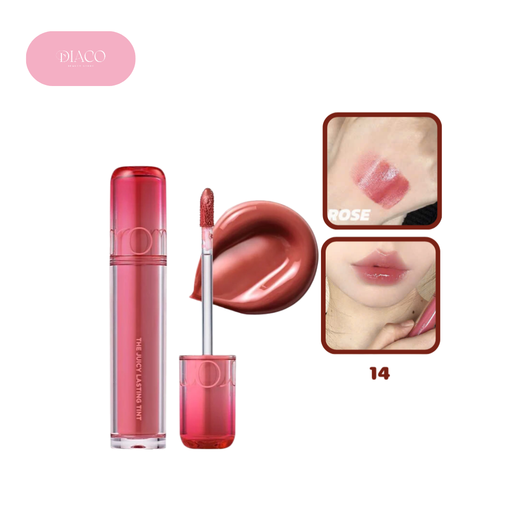
Why it suits this profile: The warm pink shade and glossy finish are easy to wear every day. The light, non-sticky texture makes the product easy to apply, even if you have little experience with Korean make-up.
The colour is described as warm pink with an almond undertone, giving you more information in advance than just a colour name. According to the product description, the formula is light and non-sticky.
Glossy finish, warm pink shade and a product description mentioning moisturising ingredients.
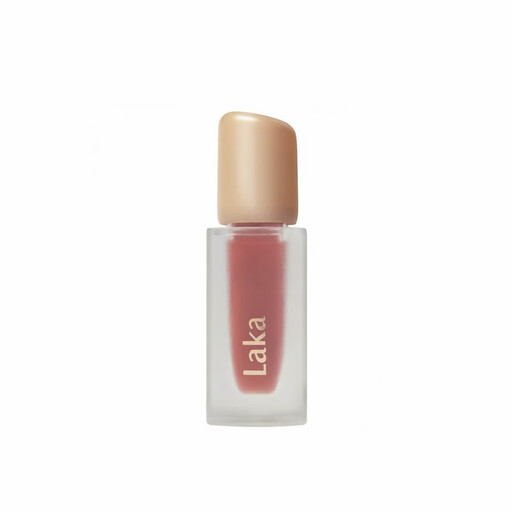
Why it suits this profile: This Korean lip tint is designed for anyone who wants to combine colour, shine and a buildable result in one product.
The description mentions a watery, lightweight texture and an angled applicator. This allows you to start with a thin layer and gradually build up the intensity.
Glossy finish, lightweight texture and ingredients such as glycerine and squalane, according to the product information.
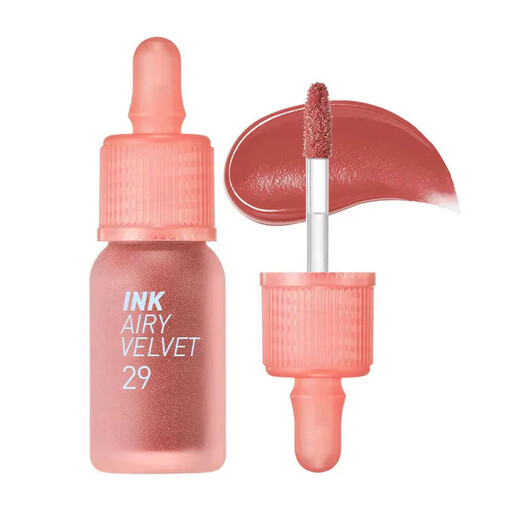
Why it suits this profile: The matte terracotta-brown shade suits a subtle, defined look for work, appointments or everyday wear.
The product information mentions a lightweight, transfer-resistant formula and buildable colour. Apply lip balm beforehand if your lips tend to feel dry quickly.
Matte finish, shade 29 Terracotta Red - Brown and a lightweight-feeling texture.
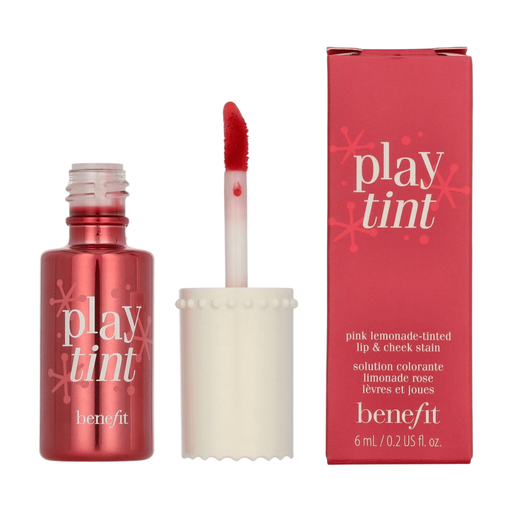
Why it suits this profile: Ideal for anyone who wants to add colour to their lips and cheeks with one liquid product and prefers a compact routine.
The description clearly states that the product is intended for the lips and face. On the cheeks, apply a few dots and blend quickly before the tint dries.
Coral pink colour, liquid texture, 6 ml capacity and use on both lips and cheeks.
We have put together a complete, up-to-date list of products that fully meet these strict selection criteria and the applicable European safety regulations.
A lip and cheek tint can also be used as blush, but test a small amount on the cheek first. For a complete Korean make-up look, you can pair the lip colour with a cushion foundation, an SPF 40 foundation such as the TIRTIR Mask Fit Red Cushion in 17N Vanilla, or an eyeshadow pencil such as Maybelline Tattoo Stix. Always check the shade, coverage and stated SPF of a foundation; make-up with SPF does not replace separate sun protection when needed.
This varies according to the formula, amount applied, condition of your lips and contact with food or drink. A stain may leave colour behind after the shine or moisturised feel has faded. Claims such as “long-lasting” or “no touch-ups needed” come from the brand’s product information. Treat them as an indication rather than a guaranteed result for every user.
It can be, but prepare your lips properly first. A thin layer of lip balm and a smooth base help ensure an even application. Also check the ingredients and stop using the product if irritation occurs. If comfort and shine are your main priorities, consider a glossy lip tint or hydrating lip colour instead.
A lip tint provides colour that often partially sinks into the lips. A lip stain focuses on the colour left behind. Lip gloss mainly adds shine and usually offers less colour longevity. Some products combine these properties, such as a glossy lip stain or a tint that can be paired with lip gloss.
