
Livraison le jour même et le lendemain

Qualité garantie

Débloquez vos offres de bienvenue: Livraison GRATUITE | Jusqu'à -80 % | 30 jours d'essai gratuits à JoyPlus
Téléchargez l'application
A lipstick can look promising online, but disappoint when you actually use it. The colour may differ from what you see on screen, a matte formula can feel drying, or a glossy lipstick might fade after just one drink. If you only focus on colour or marketing claims, you could end up paying for a product that doesn’t suit your lips or your routine.
With this practical guide, you’ll learn to look at the features you can actually check on the product page and packaging: finish, coverage, ingredients, size and usage instructions.
Red lipstick, terracotta and pink can look different on every screen. Your own lip colour also affects the final result. So always check the official shade name and colour category. A shade like Cherry, Whip Red or Terracotta Red - Brown gives you more context than just a colour number.
A matte lipstick often contains fewer glossy oils or forms a drier film on the lips. That can be great if you want minimal touch-ups, but it’s less suitable for dry lips. Pay attention to the texture and use a lip balm beforehand if that fits your routine. A lip tint can leave colour with a lighter layer, while a liquid lipstick usually offers more coverage.
According to brands’ own product information, ingredients like shea butter, mango butter, aloe leaf extract, vitamin E or oils can contribute to a conditioned feel. That’s no guarantee every user will have the same experience. If you have sensitive lips, always check the full ingredients list and choose a fragrance-free formula if you want to avoid scents. Stop using the product if irritation occurs.
Check whether the product has sheer, buildable or full coverage. A lip tint usually gives a light wash of colour that you can build up. A lipstick in a bullet is quick to apply, while a liquid lipstick often comes with an applicator for more precise application.
Also look at the size. The Clinique lipsticks mentioned contain 3.9g, the Chubby Stick 3g and various 3CE products 4g. More product doesn’t automatically mean longer use: how often and how much you apply also plays a part.
“Long-wear” can mean different things. Check whether the product description mentions a specific wear time, for example up to 8 or 12 hours, and treat this as a brand claim, not a guaranteed result for every user. Eating, drinking, skin type and the amount applied all have an influence.
For lipsticks for sensitive lips, the listed features are especially important. Clinique states for several Pop Longwear variants that they are fragrance-free, allergy-tested and dermatologically tested. These are product claims from the brand; they don’t replace personal advice or checking the ingredients.
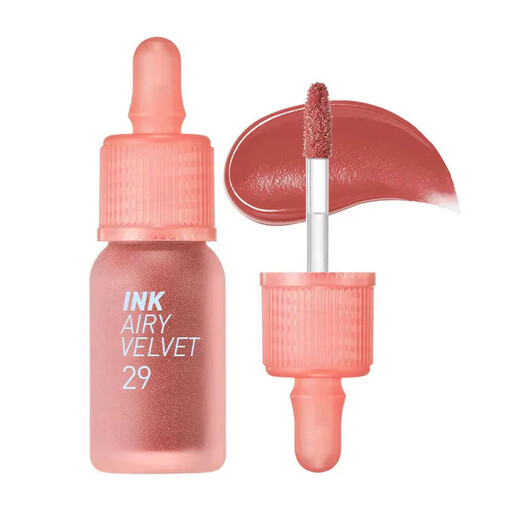
Why this fits the profile: The lightweight texture and buildable colour are practical for anyone still experimenting with different lipstick looks.
The product description mentions a buildable colour and transfer-resistant formula, so you don’t have to commit to full coverage straight away.
Terracotta-red shade, matte finish and lightweight texture according to the product information.
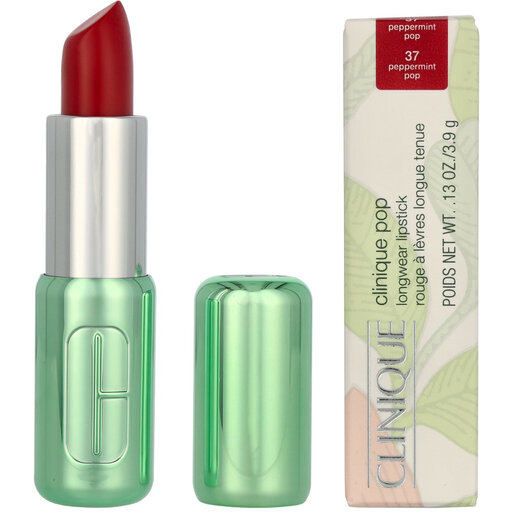
Why this fits the profile: The wide shade range and satin finish offer plenty of options for work, evening makeup and everyday wear.
The finish and coverage are clearly stated; you won’t confuse a satin formula with a fully matte or high-gloss lipstick.
3.9g, strong pigmentation, satin finish and 36 listed shades.
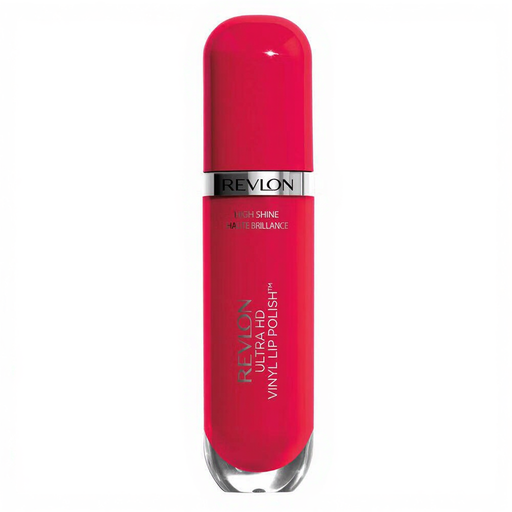
Why this fits the profile: This liquid lipstick is designed for a striking red colour and a distinctly glossy finish.
The product description highlights the special applicator with a reservoir tip and one-coat coverage, so you don’t need to layer multiple products.
High-shine finish, 12 listed shades and ingredients such as vitamin E and shea butter according to the product information.
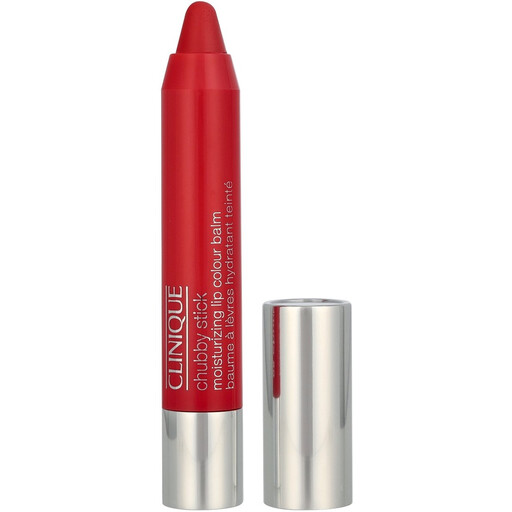
Why this fits the profile: The balm texture and fragrance-free formula are ideal for daily use when comfort is a priority.
You’re not choosing a very dry matte finish here, but a tinted balm with subtle sheen and a twist-up mechanism.
3g, 100% fragrance-free according to the product information, with shea and mango butter and shade 05 Chunky Cherry.
We’ve put together a full, up-to-date list of products that fully meet these strict selection criteria and comply with current European safety regulations.
Gently remove any loose skin, apply a thin layer of lip balm and let it sink in for a moment. Blot away any excess product before applying your lipstick. With a matte lipstick, a thin layer often works better than lots of balm, as the colour can otherwise shift.
The shelf life information is on the packaging, for example as a best-before date or period-after-opening symbol. Store lipstick in a cool, dry place away from direct sunlight, and close the bullet or applicator properly. Any change in smell, texture or colour is a reason to stop using the product.
A classic lipstick usually offers more pigment and coverage. A lip tint leaves a lighter layer of colour or stain and can feel more transfer-resistant. A tinted lip balm combines a subtle hint of colour with a nourishing balm texture. Choose based on the coverage, finish and comfort you want throughout the day.
