
Livraison le jour même et le lendemain

Qualité garantie

Débloquez vos offres de bienvenue: Livraison GRATUITE | Jusqu'à -80 % | 30 jours d'essai gratuits à JoyPlus
Téléchargez l'application
A lip tint seems simple: apply the colour, leave it to set and you’re done. In practice, lip tints, lip stains, lip glosses, lip balms and lipsticks can differ considerably in finish, staying power and comfort. Korean lip make-up is particularly full of overlapping product names such as glossy lip tint, lip glotioner and peptide lip tint. This can make comparing products more complicated than it needs to be.
If you have dry or sensitive lips, you’ll also want to avoid a long-lasting lip colour that feels tight or uncomfortable. And if you’re looking for a non-sticky lip gloss, a product that mainly adds shine but quickly wears off won’t be much use. These checkpoints will help you make a more informed choice.
A glossy finish does not automatically mean that a product will continue to feel comfortable. A lip tint may contain oils, waxes or soothing ingredients, but that does not mean every formula is suitable for dry lips. So check the ingredients list and look for substances such as glycerine, squalane, jojoba oil, shea butter or hyaluronic acid. Also check whether fragrance or colourants are present if your lips are prone to sensitivity.
A lip stain or lip tint with lasting colour may leave behind a tint after eating and drinking, but the shine and comfortable feel will usually fade sooner. Claims about performance also often come from a brand or product description. Treat “lasts all day” as an expectation, not a guarantee for every user.
A nude lip colour may look different on pigmented lips than it does against a lighter undertone. Mauve, pink, brown and berry shades can also be influenced by your natural lip colour. A sheer tinted lip balm creates a subtler effect than a pigmented lipstick. So don’t just look at the shade name; also consider pigment intensity, buildability and finish.
According to the product description, a volumising lip gloss can create a fuller-looking effect and wet-look shine. This optical effect is not the same as a lasting change in lip volume.
Check the INCI list before buying. For dry lips, soothing ingredients such as shea butter, murumuru butter, sweet almond oil or mango seed butter may feel pleasant. A watery formula containing glycerine can feel lightweight, while a formula with waxes and oils may provide more shine and a protective layer.
If you have sensitive lips, pay particular attention to fragrance, perfuming agents and colour additives. The supplied product information lists fragrance and colourants for several Fruity Glam Tint and Fruity Lip Glotioner products. A patch test carried out according to the usage instructions may help you identify personal sensitivity sooner. Stop using the product if irritation occurs and follow the safety information on the packaging.
A tint works differently from a classic lipstick. Apply a thin layer for a subtle wash of colour and build up the intensity gradually. A lip stain may leave behind a wash of colour after the shine has been removed. A gloss-like formula will often need reapplying, particularly after eating or drinking.
Before buying, check:
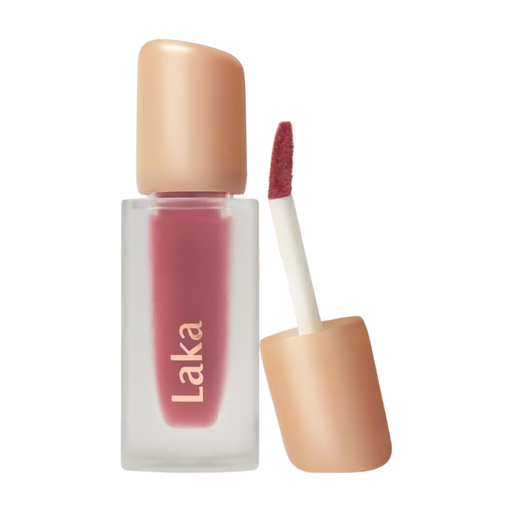
Why it suits this profile: The pink tint and 4.5 g size make this an accessible choice for anyone wanting to try Korean lip make-up without immediately buying several products.
The product information mentions buildable application and a glossy-to-matte finish. This allows you to control the intensity yourself instead of choosing a bold colour straight away.
The ingredients list includes glycerine and squalane; fragrance and colourants are also listed.
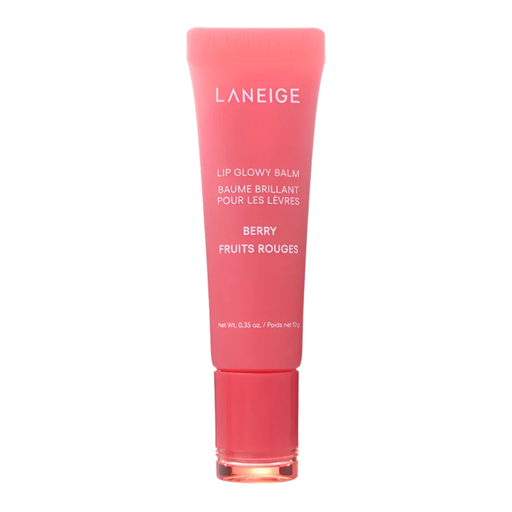
Why it suits this profile: Suitable for everyday use and for taking with you when a subtle berry tint, shine and balm texture matter more than maximum pigmentation.
The product description presents this as a lightly tinted lip balm, rather than a highly pigmented lip stain. This makes the colour expectation clearer.
10 g size, glossy finish and shea and murumuru butter according to the product information; SPF is listed as 0.
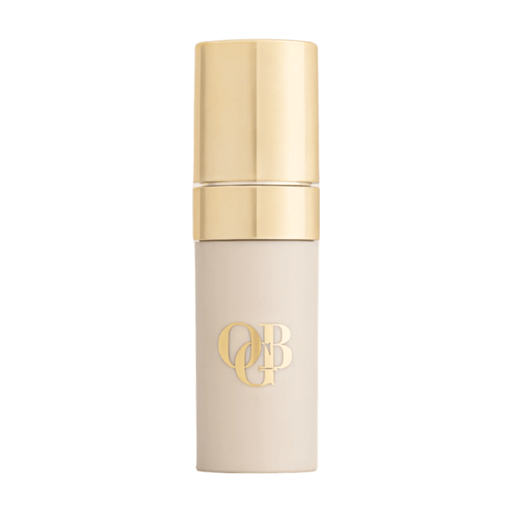
Why it suits this profile: The brown shade works well with a soft nude or mocha look, while the satin finish is suitable for the office, everyday plans and evening make-up.
According to the product description, the stain combines long-lasting tint with a light satin finish. This makes the shine less dependent on a separate lip gloss.
The description mentions peptides and sweet almond oil; the tint is designed to remain visible for hours.
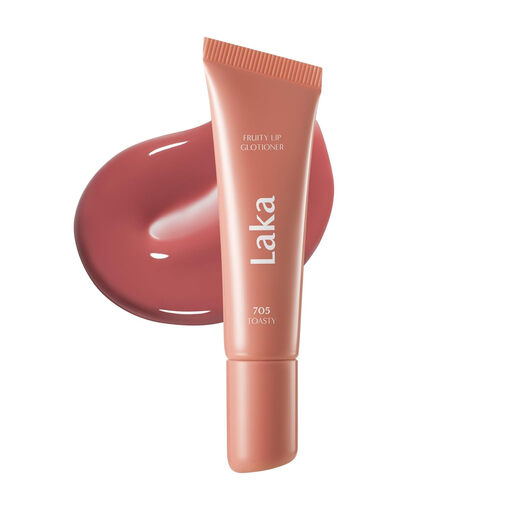
Why it suits this profile: For anyone wanting a glossy lip tint with a striking dewy finish. The jelly-tip applicator is designed to follow the natural shape of the lips.
The product description mentions a non-sticky texture, but also says that you can reapply as desired. This gives a more realistic impression than focusing on shine alone.
10 ml amount, jelly-tip applicator and, according to the product description, a dewy shine with vibrant colour.
We’ve put together a complete, up-to-date list of products that fully meet these strict selection criteria and the applicable European safety regulations.
That depends on the formula. If you have dry lips, choose a hydrating lip tint, lip balm or satin lip stain with soothing ingredients. Avoid products that feel tight or uncomfortable, and check for fragrance and colourants if you are prone to sensitivity. A lip tint is not a substitute for medical treatment or professional skincare advice.
A lip tint usually adds colour with a light, flexible finish. A lip stain is often designed to leave a longer-lasting wash of colour that can remain after the shine has faded. The terms are not used consistently everywhere. So always check the finish, pigmentation and directions for use.
Wear time varies according to the formula, layer thickness, eating and drinking. A glossy lip tint and lip gloss will generally lose their shine sooner than a matte stain loses its colour. Product claims about long-lasting colour come from the product description; your results may vary. At the end of the day, remove the product with a suitable make-up remover or mild cleanser.
