
Livraison le jour même et le lendemain

Qualité garantie

Débloquez vos offres de bienvenue: Livraison GRATUITE | Jusqu'à -80 % | 30 jours d'essai gratuits à JoyPlus
Téléchargez l'application
A lip tint sounds simple enough: apply, leave it on, and you’re done. In practice, formulas vary widely. One glossy lip tint feels light and non-sticky, while another works more like a liquid lipstick. The colour on your lips can also differ from the shade in the tube.
So don’t just rely on words like “hydrating” or “long-lasting”. Look at the finish, ingredients, applicator and usage instructions. That way, you’ll avoid buying a lip stain that feels too dry, or a glossy lip colour that fades quickly.
A wet or glossy finish can make lips look nourished, but it doesn’t automatically mean the formula is hydrating. Check the ingredients list for things like glycerine, sodium hyaluronate, jojoba oil, squalane or plant-based oils. These ingredients give you an idea of the formula, but they’re no guarantee of a personal experience.
If you have sensitive or dry lips, it’s also important to check for fragrance and colourants. Products with fragrance or multiple colour additives may be less suitable for some users.
A classic lip stain often partially sinks in and leaves a colour behind, but can look matte over time. A glossy lip tint usually contains more shine-enhancing and emollient ingredients, which may mean more frequent touch-ups are needed.
Brands may claim a long wear time. Treat this as a brand claim, not a guaranteed result. For example, Maybelline states a wear time of up to 16 hours for Super Stay Vinyl Ink, according to its own product description. The actual duration depends on factors such as eating, drinking, lip care and the surface.
“Rose”, “berry” or “pink” can look different on various skin tones. A warm rose shade like Almond Rose may appear softer on a warm undertone and more contrasting on a cool undertone. A semi-sheer formula also lets your natural lip colour show through more.
For a pink lip tint, it’s wise to pay attention to the intensity: sheer, semi-sheer or highly pigmented. Also check whether the colour is buildable, so you can apply one layer for everyday wear and several layers for an evening look.
First, choose the effect you want:
If you want glossy lips without a heavy feel, look for terms like lightweight, non-sticky and buildable. These descriptions are based on the product formula and description, but they still depend partly on personal preference.
A hydrating lip tint can be pleasant for dry lips when the formula contains emollient or moisture-binding ingredients. OGB, for example, lists sodium hyaluronate, jojoba oil, sunflower oil and mango seed butter in the Peptide Lip Tint. According to OGB’s own product description, the formula supports the lip barrier and reduces the appearance of fine lines. These are brand claims; they should not be taken as medical effects.
Also check the full ingredients list. If you’re sensitive to fragrance, certain colourants or botanical extracts, a patch test is advisable. Stop using the product if irritation occurs and follow the safety information on the packaging.
A precise applicator helps you follow the lip line neatly. A jelly tip can be comfortable for a quick gloss, while a narrow applicator gives more control with an intense, long-lasting lip colour.
Also check:
A Korean lip tint often has a buildable, glossy stain finish. However, products from South Korea can vary greatly in pigmentation and texture; origin alone is no guarantee of quality.
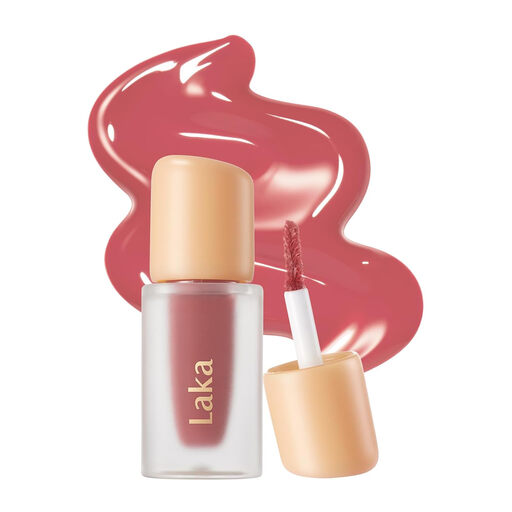
Why this fits the profile: A compact Korean lip tint with a sheer to buildable effect for everyday use.
The product description mentions a glossy stain finish and advises applying in layers, so you can control the colour intensity yourself.
South Korean origin, 4.5 g volume and a formula with glycerine and squalane.
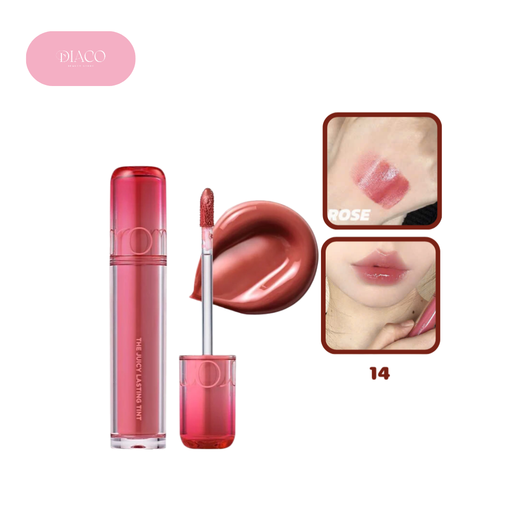
Why this fits the profile: For those looking for a warm rose shade with shine that suits both work and a special occasion.
The description specifies the colour as warm rose with almond undertones and the formula as light and non-sticky.
Glossy finish, warm pink colour and a lightweight formula according to the product details.
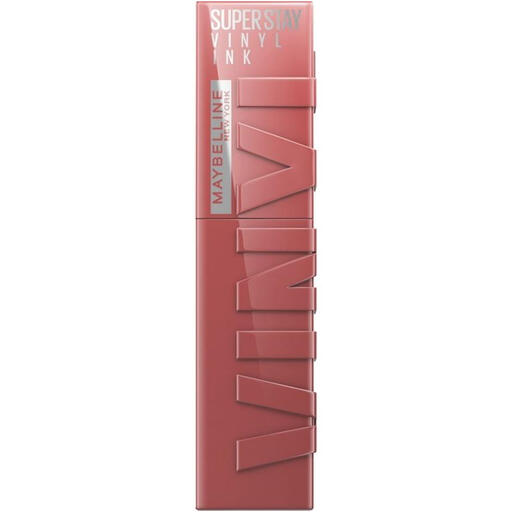
Why this fits the profile: For long workdays, dinners or moments when a more intense liquid lipstick is desired.
The instructions mention shaking before use and allowing a few moments of drying time. This helps achieve an even vinyl finish.
Medium pink shade, precise applicator and a wear time of up to 16 hours as stated by Maybelline.
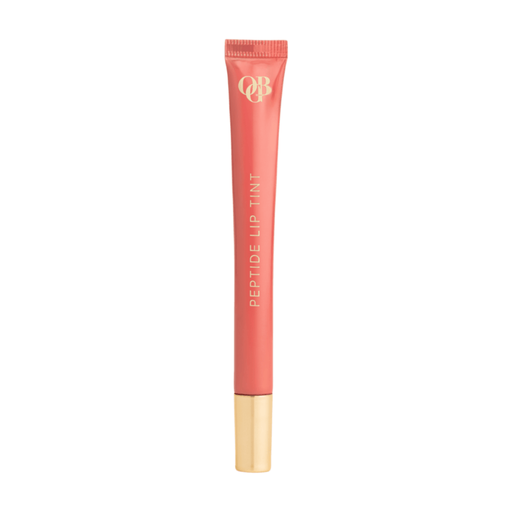
Why this fits the profile: A subtle peachy pink shade with high shine for those who value comfort and a natural look.
The formula lists sodium hyaluronate, jojoba oil, sunflower oil and mango seed butter. Check the full ingredients list if you have sensitivities.
Peachy pink colour, high shine and a formula that feels nourishing according to the product description.
We’ve put together a full, up-to-date list of products that fully meet these strict selection criteria and comply with current European safety regulations.
If the formula contains fragrance or multiple colourants, a patch test on a small area of skin may be wise. Use lip products only externally and avoid contact with the eyes.
That depends on the formula. A stain can leave a colour trace after the gloss has faded. A glossy lip tint may fade sooner with eating and drinking. Claims such as “up to 16 hours” come from the brand and are not a guarantee for every user.
It can be, especially when the formula contains emollient or moisture-binding ingredients. If you have dry lips, avoid choosing a product based solely on pigmentation. Check the ingredients list, use lip care beforehand and stop if irritation occurs.
A lip stain usually gives a lighter, more embedded colour that can stay behind over time. A liquid lipstick is often more heavily pigmented and forms a visible layer on the lips. Glossy versions combine pigment with a shiny finish, but may need more frequent touch-ups.
