
Vandaag of morgen in huis

Kwaliteit gegarandeerd

Welkomstaanbiedingen ontgrendelen: GRATIS bezorging | Tot 80% korting | Gratis 30 dagen JoyPlus-proefperiode
Download de app
A lip tint combines colour with the lightweight feel of a liquid lip colour. Some formulas deliver a sheer gloss, while others leave behind a long-lasting lip colour. However, the differences between products are greater than the marketing often suggests. A tint that looks subtly pink in a product photo can turn out much more intense on your lips.
So don't just focus on terms like glossy lip tint, hydrating lip tint or plumping lipgloss. Instead, look at the finish, ingredients, colour intensity and application instructions.
A high-shine formula often contains more oily or film-forming ingredients. This helps create a wet-look gloss and comfortable application, but the shine can fade more quickly with eating, drinking or friction. A colour that stains the lips may last longer, but won't feel as much like a lipgloss.
If you want both qualities, choose a buildable lip tint: apply a thin layer first for colour, then add a separate gloss for extra shine.
A plumping lipgloss can make lips appear fuller through reflection and a smooth finish. That's a cosmetic effect. It doesn't automatically mean the formula hydrates lips long-term. So check whether ingredients like glycerine, sodium hyaluronate, jojoba oil or squalane are listed in the product information.
Also pay attention to your own sensitivity. Some lip products contain fragrance or colourants that can cause irritation for sensitive users. Read the ingredients list before you order.
A Korean lip tint can be both watery and sheer, or creamy and intense. A vegan lip tint can also vary in gloss, coverage and staying power. So the origin or claim is no substitute for concrete product information.
First, decide on the result you want:
A coloured lipgloss usually gives more shine than a classic tint, but the colour can fade faster. A stain may last longer, but isn't always as hydrating.
For a hydrating feel, look out for ingredients such as glycerine, sodium hyaluronate, squalane, jojoba oil, sunflower oil and mango seed butter. These are verifiable points from the ingredients list, not a guarantee of medicinal effect.
Does the product contain fragrance, fruit extracts or colourants? Then extra caution is wise if you've reacted to cosmetics before. If in doubt, test a small amount on your skin first and stop using it if irritation occurs. Avoid contact with the eyes and use lip products only externally.
The amount of product varies widely. A mini tint of 1.9g is handy for a make-up bag or trying out a colour. Products of 4 to 5g are more practical if you use the same tint daily. A lipgloss of 10ml contains a relatively large amount of product, but may need more frequent touch-ups to maintain the shine.
A slanted applicator helps you apply the colour evenly. A jelly-tip applicator is said to follow the natural shape of the lips. A classic lipstick like Devil Lip requires more precision with the tube or a lip brush.
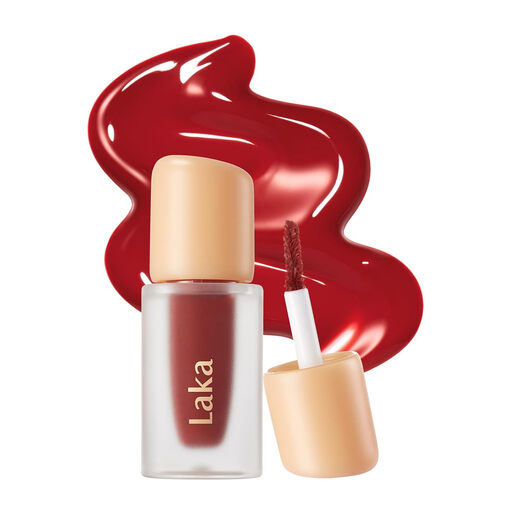
Why this fits the profile: The mini size of 1.9g is practical for trying out a striking cherry colour without committing to a larger format. According to the product description, the tint can be applied directly and forms a stain.
The small packaging limits the risk of being stuck with the wrong colour. Do check for fragrance and colourants in the ingredients list.
Mini size of 1.9g; cherry colour; product description mentions a non-sticky stain finish.
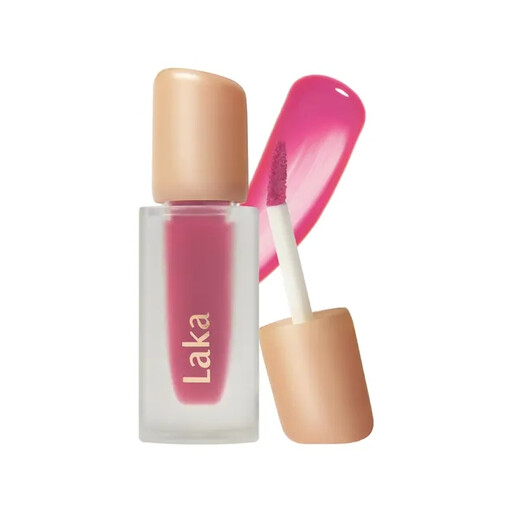
Why this fits the profile: This South Korean Laka tint offers a light, glossy finish with a buildable cool petal-pink shade. That suits anyone who wants one product for both subtle and more intense looks.
The product information explicitly mentions a semi-transparent, buildable coverage and a non-sticky texture. According to the description, the formula is vegan; check the current packaging for details.
4.5g; glycerine and squalane in the ingredients list; ten listed fruit juices; slanted applicator.
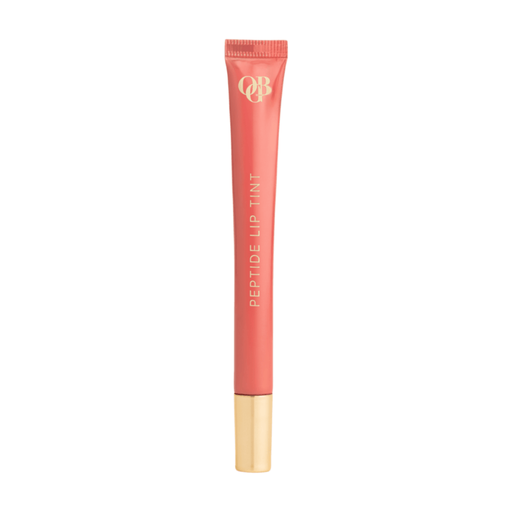
Why this fits the profile: The peachy-pink colour and high shine are ideal for daily wear when you want a polished, soft look without a heavily pigmented lip colour.
The product description mentions a subtle colour rather than full coverage. According to OGB's own product information, the formula contains a 1% peptide blend and sodium hyaluronate; these brand claims are not medical guarantees.
Peachy-pink shade; glossy finish; jojoba oil, sunflower oil and mango seed butter according to the product information.
We've put together a full, up-to-date list of products that fully meet these strict selection criteria and comply with current European safety regulations.
Store the product tightly closed, in a cool place away from direct sunlight. Check the expiry information and batch number on the packaging. If you notice a strong change in smell, drying out or irritation, it's better to replace it than to keep using it.
Yes, especially a semi-transparent or buildable formula. Choose a pink, peach or neutral shade for a subtle look. A berry or cherry colour can also be worn daily, but apply just one thin layer.
That depends on the formula and your eating and drinking habits. A glossy lip tint often loses its shine first, while the underlying colour may still be visible. A stain formula can last longer in terms of colour, but will still need touching up if you eat or drink a lot.
A lip tint is mainly designed to leave colour behind; lipgloss focuses on shine and a smooth appearance. A coloured lipgloss sits somewhere in between. For extra shine, you can apply a clear gloss over a tint. Always consider the ingredients and any sensitivity to fragrance or colourants.
