
Livraison le jour même et le lendemain

Qualité garantie

Débloquez vos offres de bienvenue: Livraison GRATUITE | Jusqu'à -80 % | 30 jours d'essai gratuits à JoyPlus
Téléchargez l'application
A lip gloss can look gorgeous and glossy in a product photo, but that tells you little about how it feels during a bike ride, a day at work or dinner out. One gloss may be sheer and lightweight, while another offers plenty of pigment, shimmer or a fuller-looking effect. Terms such as plumping, hydrating and non-sticky can also mean different things from one brand to another.
This buying guide helps you compare lip glosses using clear, checkable points. That way, it’s easier to find a glossy lip gloss that suits your routine, colour preferences and comfort.
A high-shine lip gloss can give you a mirror-like finish, but a thicker texture won’t feel comfortable to everyone. A sticky formula can be inconvenient, especially in windy weather, with long hair or when wearing a scarf. So don’t look only for “extreme shine”: check how the texture is described too, whether it’s lightweight, gel-like, oily or thick.
A volumising lip gloss or plumping lip gloss can make lips look fuller by combining shine, colour contrast and a smooth finish. That’s different from a lasting volume effect. According to product information from various brands, the effect is mainly created by the way light reflects off the gloss and how it visually smooths over fine lines caused by dryness. If you have sensitive skin, always check the ingredients and stop using the product if irritation occurs.
A shade called “Cherry”, “Rose” or “Nude” could be sheer, buildable or highly pigmented. A coloured lip gloss can also look different on bare lips than it does over lip liner or a lip tint. Look for terms such as sheer, transparent and buildable, or for a pigment percentage if that information is available.
First, decide on the look you want:
For example, the fwee 3D Voluming Gloss range lists a system with 30% pigment for a subtle layer and 70% pigment for a more intense colour. This makes it easier to choose a shade that suits everyday wear or a bolder make-up look.
A non-sticky lip gloss isn’t necessarily runny or thin. Check whether the product description mentions a gel texture, a lightweight formula or a thicker formula. A thicker gloss can give lips more volume and shine, but it may also feel more noticeable on them.
If comfort is your priority, look for:
Check the ingredients list on the packaging, especially if you have known allergies to fragrances, pigments or particular oils. Product descriptions can become out of date, so the packaging is the most up-to-date source.
Also check for:
If a product is described as “hydrating”, treat this as a cosmetic property stated in the product information, not as a medical benefit. According to its product description, fwee 3D Voluming Gloss contains various oils and vitamin E, among other ingredients. Always check the current ingredients list on the packaging.
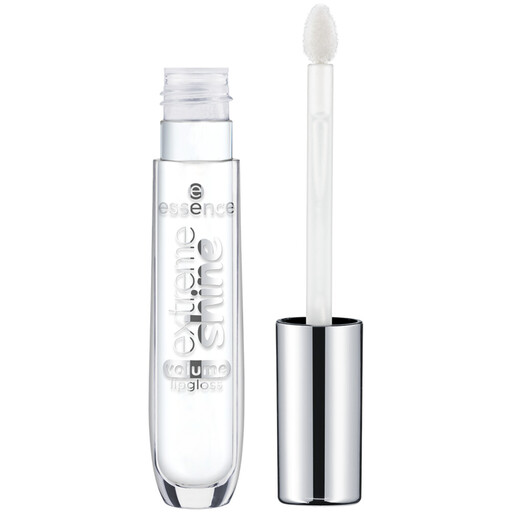
Why it suits this profile: The transparent shade is easy to pair with lipstick or lip liner. According to the product description, the formula is free from silicones, alcohol, oil and microplastics.
The clear Crystal Clear shade means the colour is less likely to differ from what you expect based on the name. The product information also describes the texture as non-sticky.
5 ml size, transparent finish and suitable for wearing alone or over lipstick.
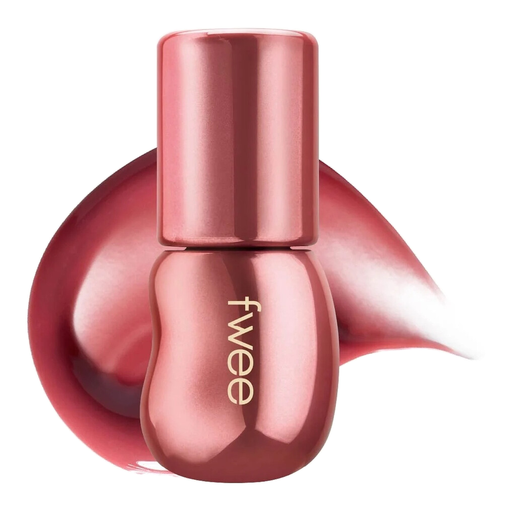
Why it suits this profile: According to the product description, this Korean lip gloss combines 70% pigment with a glossy, gel-like texture. Rozy is a good choice if you want noticeable colour and a fuller-looking finish.
The pigment level is clearly stated, so you don’t have to rely as much on the shade name or product photo.
5.3 g size, 70% pigment and a formula that, according to the description, contains oils and vitamin E.
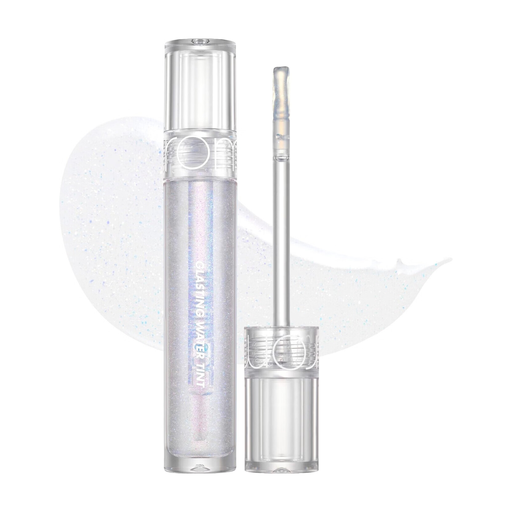
Why it suits this profile: This transparent gloss with iridescent shimmer is designed to give a glass-like finish. You can wear it on its own or apply it over a lip tint or lipstick.
The shade name makes it clear that this is a transparent gloss with subtle shimmer, not a full-coverage colour.
4 g size, transparent coverage and a lightweight formula according to the product details.
We’ve put together a complete, up-to-date list of products that meet these strict selection criteria and the current European safety regulations.
Start with clean, dry lips and use only as much product as you need. Apply the gloss mainly to the centre of your lips, then work towards the edges. Lip liner can help define the outline. If you’re using a highly pigmented lip gloss, one thin layer is often more practical than a thick one.
It depends on the formula and packaging. Check the PAO symbol and the information on the packaging. If the smell, colour, texture or feel on your lips changes, stop using the product. It’s best not to share lip gloss with others, and to close the packaging securely after use.
Not necessarily. A product description may mention a fuller-looking effect, but that doesn’t tell you how your skin will react. Check the ingredients, and if in doubt, do a small patch test as directed by the manufacturer. Stop using the product if you experience redness, itching or a burning sensation. A transparent or hydrating lip gloss without a strong volumising claim may be a simpler option.
