
Livraison le jour même et le lendemain

Qualité garantie

Débloquez vos offres de bienvenue: Livraison GRATUITE | Jusqu'à -80 % | 30 jours d'essai gratuits à JoyPlus
Téléchargez l'application
A lip tint adds colour with a lighter feel than many classic lipsticks. You can opt for a natural lip colour, a glossy lip tint or a matte finish. However, the difference between formulas is significant. Some tints feel pleasant but fade quickly. Others last longer but can feel drying.
With this buying guide, you can compare a long-lasting lip tint by finish, comfort, colour intensity and usage. This way, you won't be swayed by attractive packaging or a promise like "transfer-proof" alone.
A lip stain or lip tint that adheres firmly to the lips can stay visible longer while drinking and during daily activities. However, that doesn't automatically tell you how it will feel on your lips. So also check the stated texture and ingredients.
Does the product information list moisturising ingredients such as glycerine, oils or sodium hyaluronate? Then the formula may offer more comfort according to the description, but results vary from person to person. If you have dry or sensitive lips, it's wise to try a small amount first.
A tint reacts to your own lip colour. A pink shade can appear deeper on pigmented lips, while a nude tint might look more subtle. Light, screen settings and multiple applied layers also affect the impression.
So don't rely solely on names like "Rose", "Mocha" or "Pink Pumpkin". Also look at the description of the undertone, such as warm pink, brown, red or peach.
Some product listings mention both a glossy and matte finish. This can be due to a shiny appearance when applied and a matte finish after drying. So check the full product information and instructions for use.
A glossy lip tint is suitable if you want shine and a fresh look. A matte lip tint is better if you prefer less reflection. A satin finish sits in between and can be a practical choice for everyday wear.
First, choose the look you want:
A light, liquid formula can be applied evenly. With a matte texture, it's especially important that your lips aren't too flaky, as colour can otherwise settle into dry patches.
Terms like long-lasting lip tint and transfer-proof lip colour refer to how the colour behaves after drying. Check whether the product description links this to specific usage moments, such as eating, drinking or daily activities.
No lip colour stays identical under all circumstances. Oily food, rubbing and applying lip balm can affect the colour. For a more even result, apply a thin layer first, let it dry and then add a second layer if needed.
If you're looking for a hydrating lip tint or a lip tint for dry lips, it's worth checking the ingredients list. Glycerine, sweet almond oil, jojoba oil, mango seed butter and sodium hyaluronate are mentioned in various product descriptions as nourishing or moisturising components.
This is no guarantee of a specific effect. According to the manufacturer's product description, these ingredients may contribute to a more comfortable feel. Stop using if irritation occurs and always follow the safety information on the packaging. Also check the expiry date and the period after opening.
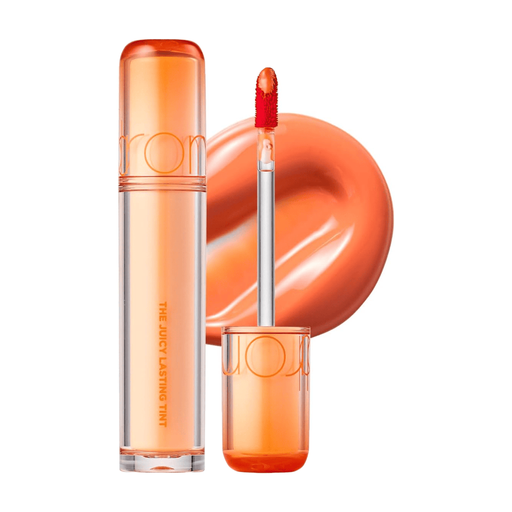
Why this suits the profile: The natural, juicy tint is suitable for anyone wanting a simple everyday lip colour that can be built up.
The product description mentions a light formula, buildable coverage and glycerine. This means you can adjust the intensity rather than applying a heavy layer straight away.
Bare Juicy finish; buildable layer by layer; glycerine is mentioned in the product information.
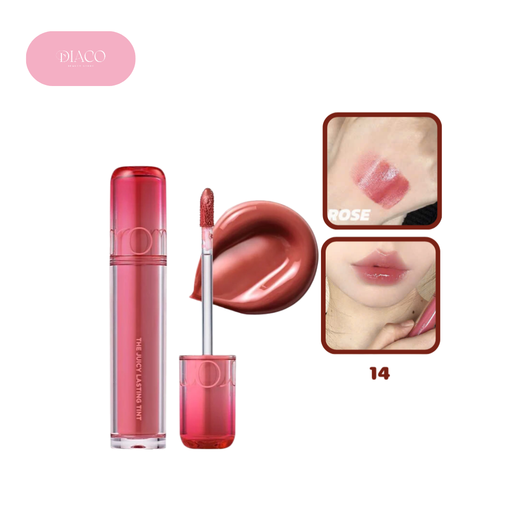
Why this suits the profile: This Korean lip tint suits anyone wanting a refined warm pink colour with shine for work, dinners or special occasions.
The listing mentions a non-sticky formula and a light texture. This helps combine shine with a less heavy feel than some lip glosses.
Warm pink Almond Rose; glossy finish; product description mentions hydrating ingredients.
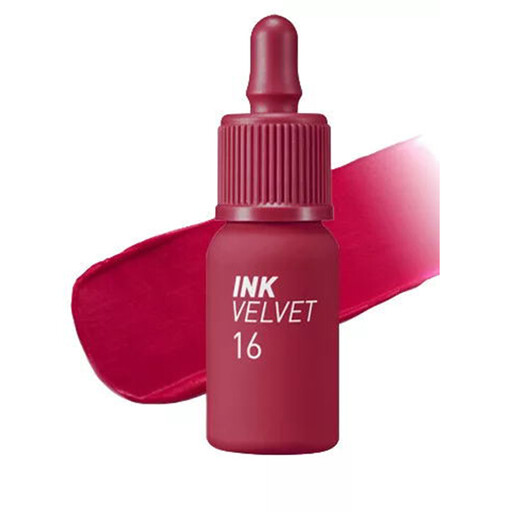
Why this suits the profile: The velvet finish and buildable colour are practical for long days when you want to wear a clear lip colour.
According to the product description, the formula gives a stain effect and is transfer-proof. However, let the tint dry first and bear in mind that it may fade with oily food.
Velvet finish; buildable colour; product description mentions a light feel and transfer-proof properties.
We've put together a full, up-to-date list of products that fully meet these strict selection criteria and comply with current European safety regulations.
A matte variant often applies more evenly on smooth lips. If you want extra shine, you can use a clear gloss, but this may affect transfer and longevity.
That depends on the formula and your own reaction to it. Preferably choose a product whose description mentions moisturising ingredients. Prepare your lips well and stop using if irritation occurs.
The duration varies per product, amount applied, lip condition and eating or drinking occasions. A lip stain may leave a colour haze after fading. Follow the product instructions and keep the packaging for information about shelf life and use after opening.
A lipstick usually lays a directly visible layer of colour on the lips. A lip tint is often more liquid, lighter to apply and can leave a colour haze. The finish can be glossy, satin, velvet or matte. Always check the product type, as names are not always used consistently across brands.
