
Vandaag of morgen in huis

Kwaliteit gegarandeerd

Welkomstaanbiedingen ontgrendelen: GRATIS bezorging | Tot 80% korting | Gratis 30 dagen JoyPlus-proefperiode
Download de app
Dry lips, colour that fades quickly or a matte lipstick that gathers in flaky patches: lip products can perform differently in practice from what the packaging suggests. Marketing terms such as “hydrating”, “long-lasting” and “transfer-proof” only tell you so much when you also need to consider the formula, how you use it and the finish you want.
This guide offers a practical comparison of lip balm, lipstick, lip gloss and matte lip cream. That way, you can avoid paying mainly for the packaging or an eye-catching claim.
A lip balm can form a protective layer that limits moisture loss, but that does not automatically mean the formula will feel comfortable for everyone. Petrolatum, waxes and oils often provide protection, while ingredients such as glycerine, panthenol or hyaluronic acid can create a different skin feel in other formulas.
If your lips become dry or chapped easily, consider whether you need a simple lip balm or a more intensive lip essence or lip mask. Fragranced formulas may be less suitable if you are prone to sensitivity.
A long-lasting lipstick may stay put for longer than a creamy lipstick, but eating, drinking and oil-based products affect its staying power. A transfer-proof lip product may also feel drier, particularly with a matte finish.
So pay attention to the combination of staying power, texture and ease of removal. A product described by the brand as lasting for up to 12 or 24 hours should be treated as a product claim, not as a guaranteed wear time in every situation.
Colour rendering varies between screens, and the final shade depends on your natural lip colour. A sheer lip gloss or glossy lipstick allows your undertone to show through more than a highly pigmented matte lip cream.
When choosing, look at the finish and pigmentation: sheer, satin, glossy, blurred matte or full matte. This is more helpful than relying on the shade name alone.
For everyday lip care, common ingredients include petrolatum, shea butter, plant oils, ceramides and waxy ingredients. Each has a different role in the texture and protective feel. Always check the full ingredients list on the product page or packaging, particularly for fragrance, flavourings and known allergens.
If you are looking for a vegan lip product, do not rely on the product name alone. Check that its vegan status is explicitly stated. For example, the product information for rom&nd Glasting Melting Lip Balm #06 Kaya Fig lists it as vegan, alcohol-free and silicone-free. This is a product specification provided by the seller, not a general characteristic of every lipstick from the brand.
A matte formula is more likely to emphasise dry patches. Prepare your lips with a thin layer of lip care and allow it to sink in before applying colour.
A lip product with SPF can be useful during outdoor activities. The product information for Labello Med Repair Protect+ SPF15 states that it protects against UVA and UVB rays and recommends reapplying as needed. Check the packaging for the exact usage instructions and reapply after eating, drinking or prolonged exposure to the sun.
Also pay attention to the packaging and shelf life. Store lip products in a cool, dry place, away from direct sunlight and high temperatures. Do not use a product if its smell, colour or texture changes noticeably.
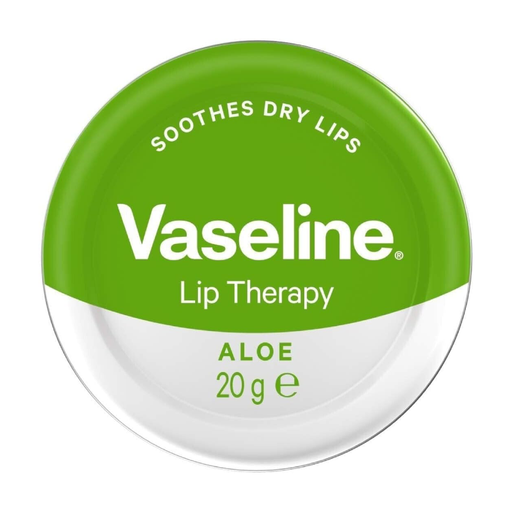
Why it suits this profile: A compact 20 g tin of lip care for everyday use and on the go. According to the product description, the formula contains petrolatum and aloe vera extract.
The product specifications are straightforward: a simple balm without a colour claim or complicated application.
20 g contents; tin format; apply as often as needed according to the usage instructions.
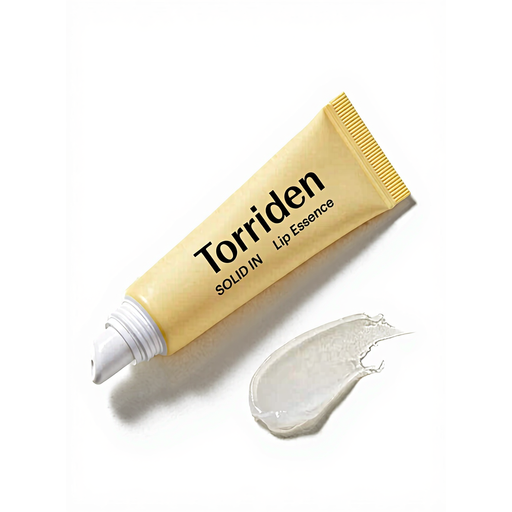
Why it suits this profile: According to the product description, this lip essence transforms from a solid balm into a creamy texture. The formula lists five ceramides, jojoba oil, macadamia oil and olive oil.
The ingredients and texture are described clearly, so you do not have to rely solely on the phrase “intensely hydrating”.
11 ml contents; five listed ceramides; vegan and fragrance-free according to the product information.
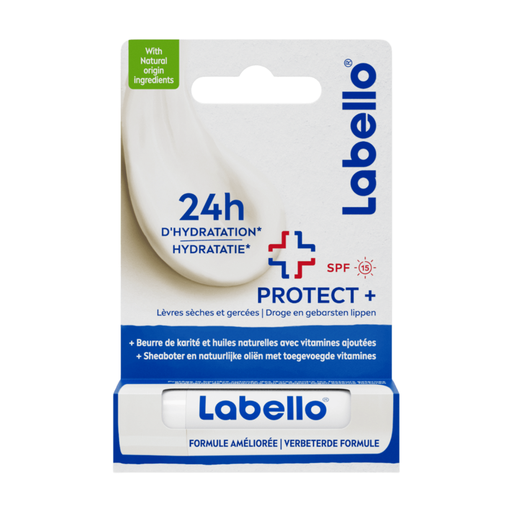
Why it suits this profile: Ideal for anyone who wants to combine lip care with SPF protection. According to the product information, this lip balm contains SPF15 and needs to be reapplied as required.
The SPF factor is clearly stated in the product name and ingredients list. Check the packaging for the complete usage conditions.
SPF15 according to the product information; stick format; contains shea butter, glycerine and panthenol, among other ingredients.
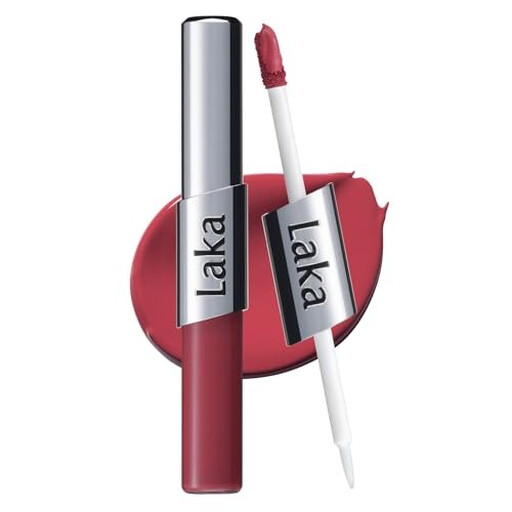
Why it suits this profile: The dual-ended packaging combines a satin matte liquid lipstick with a transparent gloss. According to the brand description, it offers three possible looks: soft matte, full matte and glossy.
You do not need to buy two separate products straight away to switch between matte and glossy lip make-up.
Two applicator ends; 0,31 fl oz contents; up to 12 hours of transfer-proof wear according to the product description.
We have put together a complete, up-to-date list of products that fully meet these strict selection criteria and the applicable European safety regulations.
Look for a formula with an occlusive base, such as petrolatum, waxes, oils or shea butter. A lip mask or lip essence can be soothing in the evening. In the meantime, avoid excessive exfoliation and check whether fragrance or flavouring causes a reaction.
Apply a thin layer of lip care first and allow it to sink in. You can then use a lip liner, a thin layer of colour and a second layer after allowing the first to dry briefly. With a matte lip cream, blotting can help, but bear in mind that it may feel drier. Claims such as “12 hours” or “24 hours” come from the product description and depend on eating, drinking and use.
That depends on how you use it. A lip product with SPF can be practical for walking, cycling, trips to the beach or winter sports. Reapply it according to the label, particularly after eating and drinking. An SPF lip balm does not replace general protection against prolonged exposure to the sun.
