
Livraison le jour même et le lendemain

Qualité garantie

Débloquez vos offres de bienvenue: Livraison GRATUITE | Jusqu'à -80 % | 30 jours d'essai gratuits à JoyPlus
Téléchargez l'application
Lip products vary widely in finish, longevity and nourishing properties. A lip gloss can deliver shine, while a lip tint tends to stay visible for longer. A lip balm or lip mask, on the other hand, focuses more on comfort for dry and chapped lips. If you only pay attention to colour or packaging, you could end up buying a product that doesn’t feel pleasant to wear in practice.
This guide helps you compare lip products based on verifiable product information: texture, volume, ingredients, usage and safety instructions.
A glossy finish can make lips appear smoother, but that doesn’t automatically mean a formula helps retain moisture. Always check whether the product information lists ingredients such as petrolatum, oils, butters or sodium hyaluronate. The type of product also matters: a lip gloss is primarily lip make-up, whereas a lip balm or lip mask is more focused on care.
Lip stains and some lip tints are designed to deliver colour for longer. That can be handy if you don’t want to reapply often while on the go. However, an intensely pigmented formula can feel quite different from a creamy balm. If you have dry lips, it’s wise to prep your lips beforehand and check the ingredients list for any potential sensitivities.
The final colour depends on your natural lip colour, skin tone, lighting and the number of layers you apply. If you’re unsure, go for a transparent or buildable formula, such as a tinted lip balm or a sheer lipstick. An opaque lipstick generally gives a more defined result, but also requires more precision when applying.
First, decide which effect you’re after:
A non-sticky texture can be pleasant for daily use. Always check the specific product description though; terms like “comfortable” or “nourishing” are brand claims and not a universal guarantee.
For hydrating lip care, the following ingredients are useful to recognise:
If you are prone to irritation, pay extra attention to fragrance, aroma, menthol and colourants. Always test a new product on a small area first and follow the safety warnings on the packaging.
The volume of products on offer ranges from around 3.7 grams for a lipstick to 20 grams for some lip balms and lip masks. A stick is handy for on-the-go use and can be applied directly. A pot or tin may contain more product, but requires using a clean finger or applicator.
Also check the shelf-life information, batch code and storage advice. Many products should be stored in a cool, dry place, away from direct sunlight and high temperatures. Only use lip products in the way indicated on the packaging.
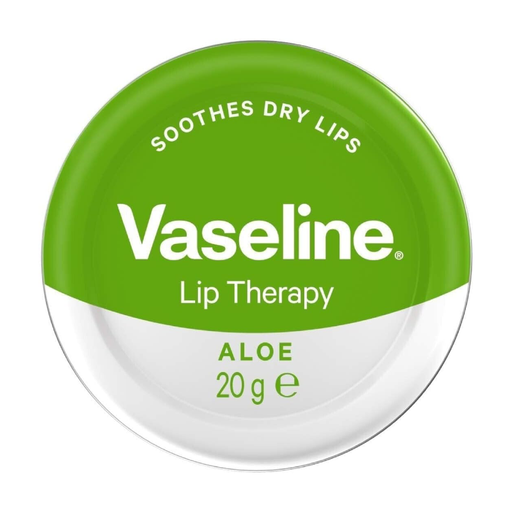
Why this fits the profile: The packaging contains 20 grams and the lip balm is intended to be applied as needed, according to the product information. This makes it a practical choice for daily use.
You’re not buying a colour product that is primarily about shine. The ingredients list includes petrolatum and aloe vera extract, while the usage instructions remain simple.
20g volume; compact tin; petrolatum and aloe vera extract according to the ingredients list.
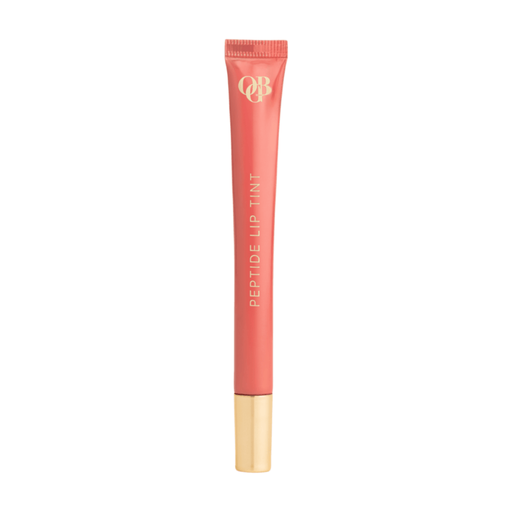
Why this fits the profile: According to the product description, the tint combines a peachy-pink colour with a glossy finish. This suits anyone looking for colour and nourishing ingredients in one product.
The product information doesn’t just mention the shine; it also lists sodium hyaluronate, jojoba oil, sunflower oil and mango seed butter.
1% peptide blend according to the product description; peachy-pink tint; high-shine finish.
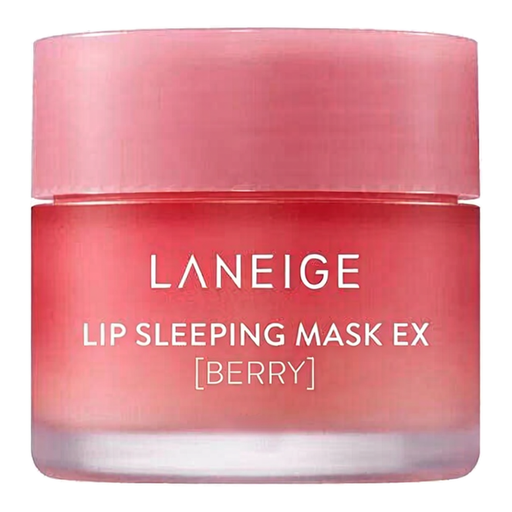
Why this fits the profile: According to the product information, this lip mask is intended for evening use and contains 20 grams. The included spatula supports a consistent nightly routine.
You’re not using a colour product as a substitute for lip care. The description mentions shea butter and a berry complex, and gives clear instructions for application and removal.
20g; applicator spatula; shea butter listed in the product information; intended for overnight use.
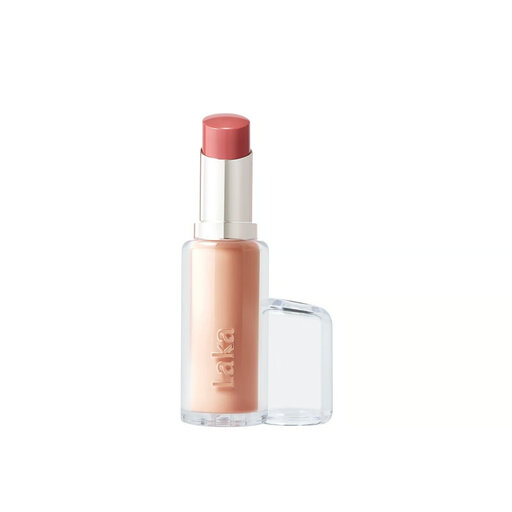
Why this fits the profile: The lipstick contains 3.7 grams and, according to the product description, has a glossy, non-sticky finish. The stick format is suitable for quick applications throughout the day.
The description mentions both the finish and the advice to remove the product with make-up remover or a gentle cleanser. This way, you know in advance what to expect from the formula.
3.7g volume; ultra-smooth texture according to the product information; glossy and non-sticky finish.
We’ve put together a full, up-to-date list of products that fully meet these strict selection criteria and comply with current European safety regulations.
First, look for a lip balm or lip mask with an occlusive base, such as petrolatum, plus additional oils or butters. A lip tint or lipstick can then be applied once your lips feel comfortable. If irritation or an allergic reaction persists, stop using the product and follow the advice on the packaging.
Lip gloss is primarily about shine and a smooth appearance. A lip tint generally delivers more colour that, according to the product description, can last longer. Some products combine both properties, such as a glossy lip tint. Check the finish, pigmentation and recommended method of removal.
This varies by formula and packaging. Check the expiry date, batch code or period-after-opening symbol on the packaging. Store lip products in a cool, dry place, close them tightly and do not share applicators with others. A change in smell, colour or texture is a reason to stop using the product.
