
Livraison le jour même et le lendemain

Qualité garantie

Débloquez vos offres de bienvenue: Livraison GRATUITE | Jusqu'à -80 % | 30 jours d'essai gratuits à JoyPlus
Téléchargez l'application
Dry lips, colour that bleeds, or a gloss that feels sticky after just a few minutes – lip products can often behave quite differently in practice than their packaging suggests. Making the right choice isn’t just about finding a pretty shade. The finish, formula, shelf life after opening, and how you apply it all determine whether a product is right for you.
This guide helps you compare lip balm, lip gloss, lip oil, lip liner, lipstick and lip mask based on verifiable product information.
A glossy finish can make lips look cared for, but that doesn’t automatically mean the product is suitable for dry, chapped lips. Always check the ingredients and the product’s intended purpose. A lip oil, for example, may contain jojoba oil, vitamin E or meadowfoam seed oil, whereas a classic lip balm primarily uses an occlusive ingredient.
According to the product description, the Essence Hydra Kiss Lip Oil contains jojoba oil, vitamin E and hydrolysed sodium hyaluronate. The oil is designed for a glossy finish with a subtle hint of colour. That makes it a different choice from a simple lip balm containing petrolatum.
Words like “plumping”, “volume” and “fuller lips” usually refer to the optical effect of shine, colour or a smoothing texture. Don’t regard this as a permanent change. For products that create a tingling sensation, it’s wise to follow the usage instructions and stop if irritation occurs.
A glossy lip gloss can make fine dry lines less noticeable thanks to its reflective surface. The result will always depend on your own lip shape, colour and how much product you apply.
Cosmetics often have a period after opening, indicated by something like 12M or 24M. This isn’t a guarantee that the product will stay good under all conditions. Store lip products sealed, in a dry place and away from direct sunlight. Also check the packaging for the expiry date, batch information and safety warnings.
First, choose based on how you’ll use it:
Bear in mind that terms like “hydrating” or “nourishing” may come from the brand’s own product communication. Treat them as product claims and also assess the ingredients list.
A glossy or wet finish reflects more light and can make lips appear fuller. A matte lipstick generally gives less shine, but can make dry patches more noticeable. For a lip liner, colour intensity and blendability are important: a rim that’s too dark can look unnatural when the lipstick fades.
When shopping online, check the exact variant name, such as “505 Red Dynamite”, “03 Pink Champagne” or “02 Summer Punch”. Colours can appear differently on different screens. A red-toned lip liner also works differently from a neutral contour shade.
Check for perfume, fragrances, colourants and potential allergens if you have sensitive skin. The Essence Hydra Kiss Lip Oil lists fragrance ingredients including linalool, citronellol and limonene. The Laneige Lip Sleeping Mask Berry also lists perfume in its safety information.
Use lip products only on your lips and avoid contact with your eyes. If you experience redness, irritation or an allergic reaction, stop using the product. Always follow the label on the packaging; the full ingredients list may vary by variant or production batch.
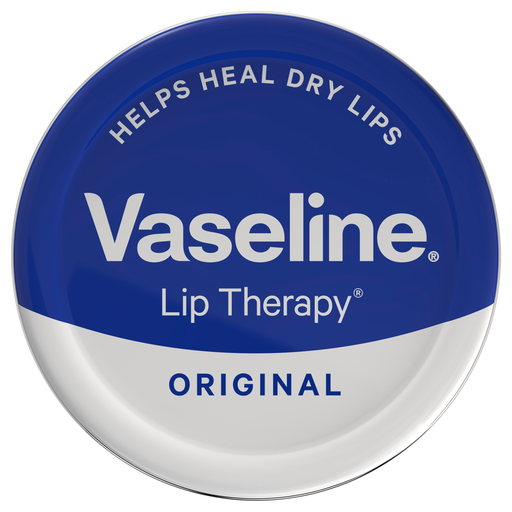
Why this fits the profile: The simple formula and 20g size make this a practical choice for daily use at home or on the go.
The product information lists one main ingredient, petrolatum, so you can quickly check the formula rather than relying solely on marketing terms.
20g content, non-sticky application according to the product description, and a tin that’s easy to carry around.
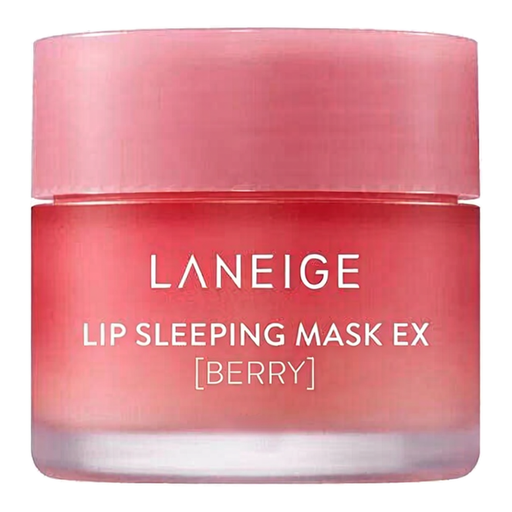
Why this fits the profile: If you’re after a dedicated evening product, you get a 20g lip mask with an applicator and a usage moment that’s separate from daytime lip make-up.
The evening routine makes it clear what the product is for. You won’t confuse a lip mask with a thin balm for on-the-go use.
Leave-on formula for evening use, spatula included and, according to the product information, targeted at dry lips.
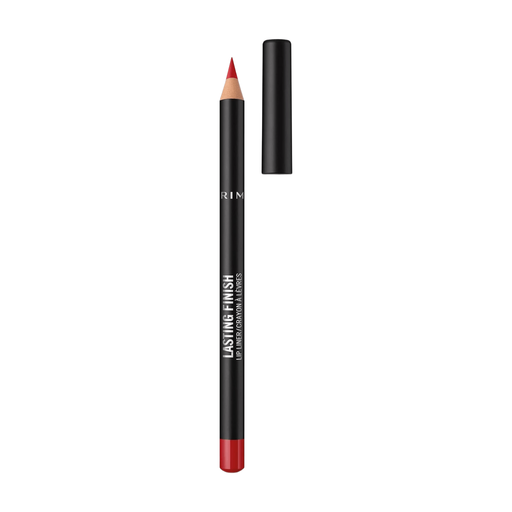
Why this fits the profile: This lip liner is designed for a precise red contour and, according to the product description, can also be used all over as a base under lipstick or lip gloss.
Applying with short strokes and the option to blend gives you more control than applying a heavily pigmented lipstick directly.
Creamy texture, pencil packaging, 1.20g content and a choice of 14 shades according to the product information.
For dry, chapped lips, start by applying a thin layer of lip balm and let it sink in briefly. Remove any excess product before using a lip liner or lipstick. A base that’s too greasy can affect wear time and even coverage.
For colour and shine, this order works well:
To remove long-wearing or waterproof lip products, use a gentle, oil-based cleanser if recommended on the packaging.
We’ve put together a full, up-to-date list of products that fully meet these strict selection criteria and comply with current European safety regulations.
Lip oil often has a thinner, more nourishing-feeling formula and may contain oils or vitamin E. Lip gloss is usually more focused on shine, colour and a wet finish. The exact texture varies from product to product, so check the ingredients and product description.
Look at the period after opening, such as 12M or 24M, and the date on the packaging. Throw a product away when the smell, colour, texture or performance clearly changes. It’s best not to share lip products with others for hygiene reasons.
A lip balm with an occlusive formula is practical for regular use. A lip mask can fit into an evening routine, while a lip oil offers a lighter, glossy option. Avoid products that cause irritation and check for perfume and fragrance ingredients if your lips are sensitive.
