
Vandaag of morgen in huis

Kwaliteit gegarandeerd

Welkomstaanbiedingen ontgrendelen: GRATIS bezorging | Tot 80% korting | Gratis 30 dagen JoyPlus-proefperiode
Download de app
Dry lips, a colour that fades too quickly, or a lipgloss that turns out stickier than expected – lip products can look appealing on paper but disappoint in practice. The right choice depends on more than just the colour. The formula, longevity, finish and instructions for use all determine whether a product fits into your routine.
This guide will help you objectively compare lip balm, lip liner, lip oil, lip tint, lipstick, lip mask and lip gloss.
Words like “hydrating”, “long-lasting” or “volumising” don’t always describe how a product feels for every user. A lip oil, for example, can give a glossy finish, while a lip liner is primarily intended for contour and colour definition. Always check the product type, ingredients and recommended application.
A high-shine formula can make lips appear fuller through light reflection. That doesn’t automatically mean the product has a lasting volume effect. With a volumising lip gloss, it’s wise to read the ingredients, warnings and product description. Stop using it if irritation occurs and avoid contact with the eyes.
Longevity depends on eating, drinking, talking and the condition of your lips. A matte lip tint can stay visible longer than a lip oil, but may feel different on dry lips. A lip liner applied all over as a base can, according to the product description, help lipstick or lip gloss stay visible for longer. Results vary from person to person.
First, decide the purpose of your lip care or make-up:
Marketing terms like “smooth”, “plump” or “hydrated” are no substitute for a verifiable ingredients list and clear usage instructions.
Check the full ingredients list if you are sensitive to fragrance, colourants or certain oils. Products with fragrances may be less suitable for some users. If irritation occurs, it’s wise to remove the product and not use it again. Use lip products only on the intended area and follow the safety information on the packaging.
Also look out for claims such as vegan, paraben-free or dermatologically tested. These features can vary from product to product. Always check the product specifications of the variant you are actually buying.
A glossy finish reflects more light than a matte finish. A lip gloss or lip oil therefore suits a glossy lip look, while a matte lip mud can give a more powdery appearance.
Also check:
A small product is handy for a handbag, but can run out more quickly with daily use. So compare not just the price, but also the content and expected usage.
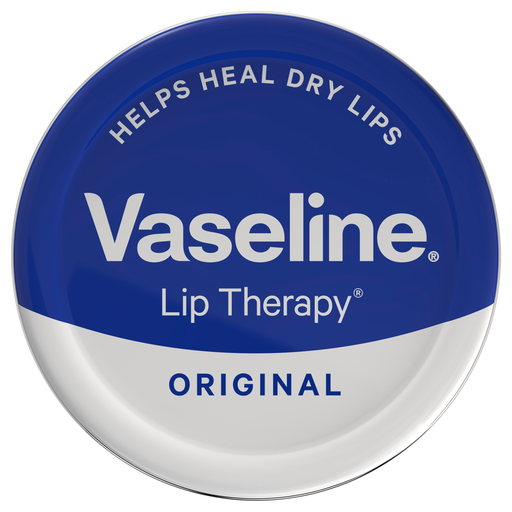
Why this suits the profile: A simple lip balm for anyone wanting to start daily lip care without colour or a complicated finish.
According to the product information, the formula consists of petrolatum, so you don’t have to choose from many extra colour or shine claims.
20g content, apply as needed and a non-tinted original variant.
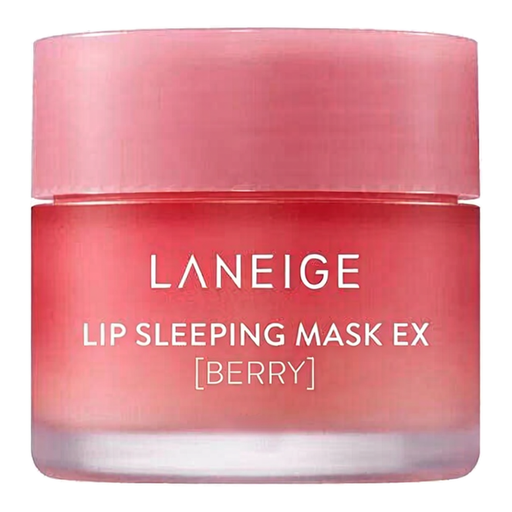
Why this suits the profile: Suitable for adults looking for a separate product for their evening routine, especially if the lip surface feels tight or dry.
The instructions clearly describe applying a generous layer before bed and removing it in the morning.
20g content, spatula included and a formula with shea butter according to the product description.
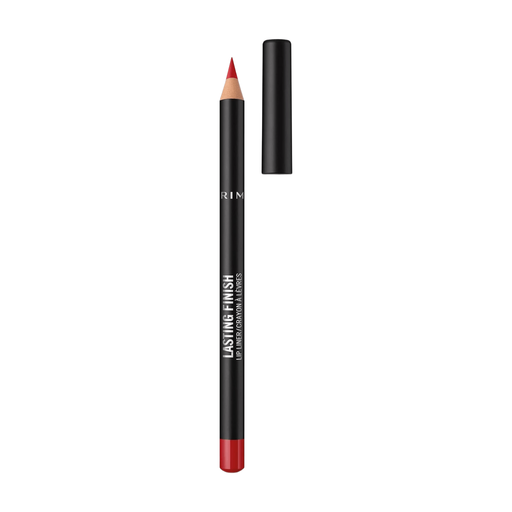
Why this suits the profile: A practical choice for anyone who often wears lipstick and wants to define the contour or colour the lips in fully with liner.
The product information mentions a creamy texture, short application strokes and the option to colour the lips in completely.
Variant 505 Red Dynamite, 1.20g content and available in 14 shades according to the product description.
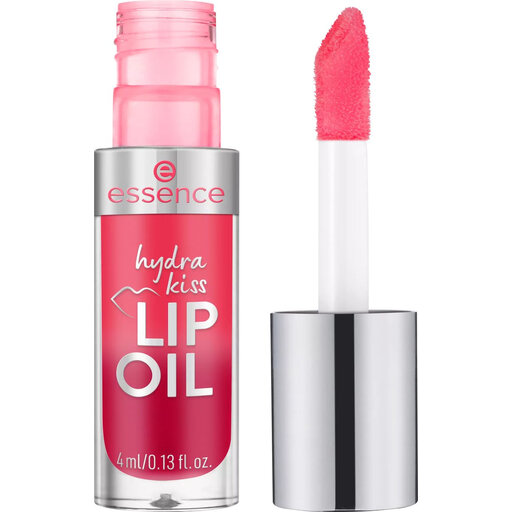
Why this suits the profile: Suits a daily look with a light tint and noticeable shine, without the coverage of a classic lipstick.
The content, shade and product type are clearly stated, so you don’t confuse shine with opaque lip colour.
4 ml content, shade 03 Pink Champagne and ingredients such as jojoba oil, vitamin E and hyaluronic acid according to the product information.
We’ve put together a full, up-to-date list of products that fully meet these strict selection criteria and comply with current European safety regulations.
Apply a lip mask or lip balm to clean lips and give the formula time to work. For make-up, a thin layer of care product is often more practical than a thick, greasy base. Let that layer sink in briefly before using lip liner, lip tint or lipstick.
With a lip liner, according to the instructions for the Rimmel variant, start in the middle of the upper lip and work with short strokes along the contour. A lip oil or lip gloss can be worn alone or applied over lipstick. After opening, regularly check the scent, colour and texture. Do not use the product any more if it has clearly changed or if the shelf life information has expired.
A lip balm or lip mask is the obvious choice if you’re mainly looking for care. Look at the formula, frequency of use and any fragrances. If symptoms persist or severe irritation occurs, stop using it and seek professional advice.
This varies depending on the formula and usage situation. A lip tint or lip liner can stay visible for longer according to the product description, but eating and drinking affect the result. A glossy lip oil is generally worn differently from a matte lipstick and may need to be reapplied more often.
Store lip products in a cool, dry place, away from direct sunlight and extreme heat. Close packaging tightly. Always follow the shelf life and safety information on the packaging, including the period after opening.
