
Livraison le jour même et le lendemain

Qualité garantie

Débloquez vos offres de bienvenue: Livraison GRATUITE | Jusqu'à -80 % | 30 jours d'essai gratuits à JoyPlus
Téléchargez l'application
Dry lips, a colour that turns out completely different from what you expected, or lipgloss that feels sticky after just a few minutes – lip products can vary enormously in practice. An attractive package or a claim like “long-lasting” doesn’t tell you everything about wear comfort, ingredients or how to use it.
So when you’re buying lipstick, lipgloss, lip tint or lip balm, it’s a good idea not just to look at the colour. Also check the formula, the applicator and how the product is meant to be used. That way, you can avoid a nude lip colour turning out too pale, a lip stain being difficult to remove, or a lip plumper feeling unpleasant.
Names like “Marron”, “Rusty” or “Rose Jam” give you an idea of the colour, but they don’t always show how the shade will look on your lips. Your natural lip colour, the lighting and the number of layers you apply all affect the final result.
So pay attention to:
A lip plumper or volumising lipgloss can make your lips appear fuller thanks to shine, colour concentration or a tingling sensation. That doesn’t automatically mean the volume is permanent. According to the product descriptions from some brands, the aim is mainly a temporary visual effect.
Stop using it immediately if you experience irritation, redness or an allergic reaction. If you have sensitive lips, always check the ingredients and follow the safety information on the packaging.
A long-lasting lipstick or lip stain is handy when you don’t want to reapply often. However, some intensely pigmented formulas can become less comfortable if your lips are already dry or chapped. Good lip care beforehand helps, but it doesn’t replace checking the formula.
With a lip treatment or hydrating lip balm, it’s also wise to distinguish between objective product information and marketing claims. A product containing petrolatum, oils or butters can provide a protective layer, but personal experience varies.
Look for ingredients that suit your purpose:
If in doubt, apply a new product carefully at first. If irritation occurs, stop using it.
The finish determines how the product looks and feels:
Don’t just compare the price – also compare the volume and ease of use. A stick of 3.7 g, a pot of 20 g or a liquid formula of 10 ml are not directly comparable.
Also check:
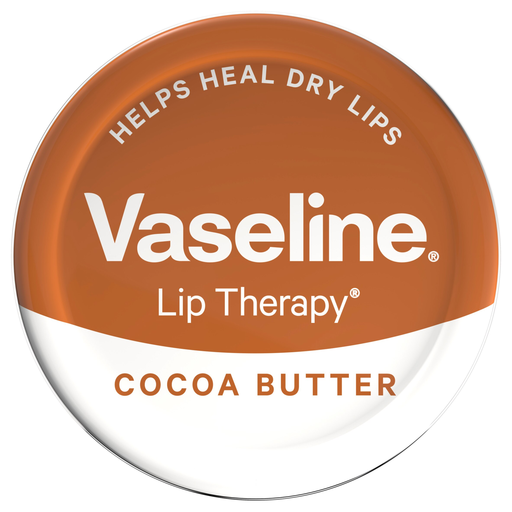
Why this fits the profile: A simple product for daily use, at home or on the go. The compact tin is practical for keeping in a bag.
The product information clearly states petrolatum and cocoa butter, so you’re not relying on a vague hydrating claim alone.
20 g volume, balm in a tin and suitable for applying as needed.
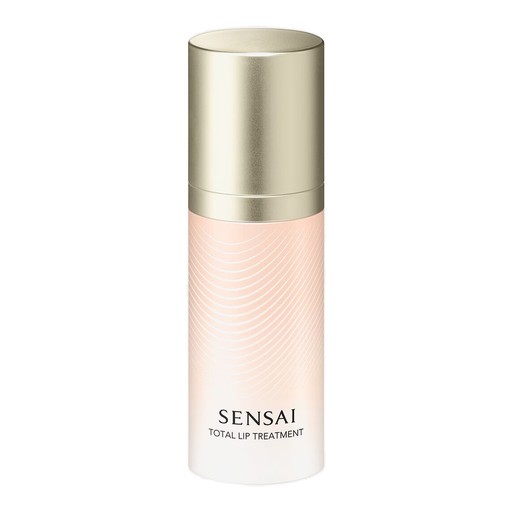
Why this fits the profile: Aimed at shoppers looking for a dedicated lip treatment to use in the morning and/or evening.
The specifications mention the consistency, 15 ml volume, pump packaging and ingredients. Claims about hydration and volume remain brand claims.
Balm texture, unisex target audience, vegan according to the product information and paraben-free.
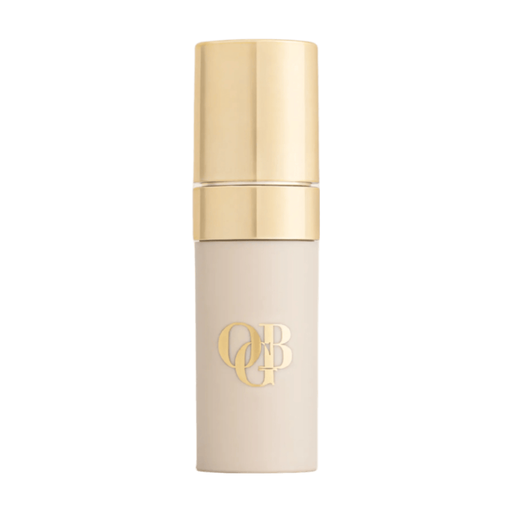
Why this fits the profile: A logical choice for anyone who wants to combine colour and care without constantly reapplying lipstick.
The product description specifies a nude shade, satin finish, peptides and sweet almond oil. The promised longevity and care come from the brand description.
Lightweight lip stain, soft nude colour and four available shades according to the product information.
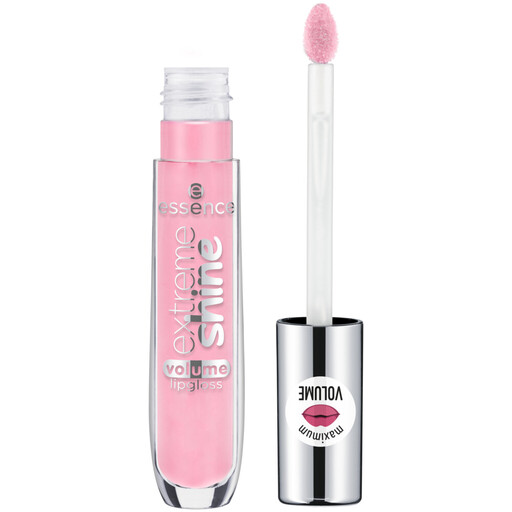
Why this fits the profile: Ideal for anyone who wants glossy lips and uses lipgloss alone or over lipstick.
The product information states 5 ml volume, an applicator and a formula free from alcohol, oil, silicones and microplastics. A volumising effect remains a temporary cosmetic claim.
Wet-look finish, non-sticky texture according to the product description and a cap made from 90% recycled plastic.
We’ve put together a full, up-to-date list of products that fully meet these strict selection criteria and comply with current European safety regulations.
The right order makes a difference:
With products containing colourants, fragrance or aroma, extra caution is wise if you have sensitive lips. Stop using a product if you notice any irritation.
Lipstick usually offers more coverage and a more defined colour. A lip tint is often lighter and more sheer. A lip stain is designed to leave a tint on the lips for longer, but the actual wear time varies depending on the formula and how you use it.
Check the packaging for the expiry date, shelf life after opening and the batch number. Don’t store lip products in direct sunlight or at high temperatures. A change in smell, texture or colour can be a reason to stop using the product.
First, choose a lip care product with a protective or nourishing formula, such as a lip balm. A gloss or tinted balm can then add colour. If problems persist or you have a strong reaction, it’s wise to consult a healthcare professional rather than continuing to try cosmetics.
