
Vandaag of morgen in huis

Kwaliteit gegarandeerd

Welkomstaanbiedingen ontgrendelen: GRATIS bezorging | Tot 80% korting | Gratis 30 dagen JoyPlus-proefperiode
Download de app
Lip oil seems simple: apply it, get shine and you’re done. Yet lip oil, lip gloss, tinted lip balm and lip serum can differ considerably in texture, colour intensity and performance. One formula may feel lightweight and non-sticky, while another functions primarily as makeup or intensive lip care.
If you focus only on terms such as “plumping”, “12-hour hydration” or “natural ingredients”, it is easy to buy a product that does not suit your routine. Below, you’ll find out which properties really matter and which popular marketing claims deserve a critical look.
A highly glossy finish does not automatically mean that a product will remain comfortable for a long time. Some formulas mainly contain film-forming ingredients that create a smooth surface. This can work well for an evening look, but may be less suitable if you are looking for a hydrating lip oil for everyday use.
That is why it is important to review the complete list of ingredients. Oils such as jojoba, avocado, raspberry seed oil and meadowfoam seed oil may be part of the formula, but their effect and feel on the lips vary from product to product.
A plumping lip gloss can make the lips appear fuller through shine, colour contrast or a tingling and cooling sensation. That is different from a lasting change in volume. According to JUDYDOLL’s product description, the plumping oil in the duo is designed to deliver an immediate 38 per cent volumising effect. This is a brand claim from the product information, not a universal result for every user.
Also check whether a product contains menthol, fragrance or other ingredients that may cause tingling on sensitive lips. Apply a small amount and stop using the product if irritation occurs.
A lip stain and lip oil duo may deliver longer-lasting colour than a regular lip oil. The trade-off is that a stain focuses more on pigment and wear time than on a comfortable, nourishing finish. If you have dry lips, using a separate lip balm or oil alongside it may be more practical.
Also consider the amount of product: a 4 ml package and a 13 g stick cannot be compared directly. Look at the quantity, applicator and how often you are likely to reapply the product.
If you want glossy lips without a heavy feel, look for a lightweight, non-sticky texture. Oil-based formulas often feel smoother than classic lip gloss, but there are still significant differences within this category.
A click-pen format, such as the NYX Fat Oil Slick Click, is convenient for quick touch-ups on the go. A doe-foot applicator, such as the one on the Rimmel Oh My Gloss Lip Oil, distributes the formula evenly across the lips.
Before buying, check whether the formula contains fragrance, flavourings or known allergens. For example, NYX’s product information lists benzyl alcohol. According to its ingredients list, Essence Hydra Kiss Lip Oil contains jojoba oil, meadowfoam seed oil, vitamin E and hydrolysed sodium hyaluronate, among other ingredients, but also perfume and fragrance components such as limonene, linalool and citronellol.
“Vegan”, “cruelty-free” and “natural” do not mean the same thing:
If you have sensitive skin, a patch test is advisable. Use lip products only on intact skin and avoid contact with the eyes.
A transparent lip oil is easy to combine with lip liner or lipstick. A tinted option, such as a tinted lip balm, is more suitable if you want to create a polished, colourful look with a single product.
Look out for terms such as sheer, medium coverage and buildable. “Buildable” generally means that you can layer the colour; it is not a guarantee that every shade will look the same on every skin tone. On darker or strongly pigmented lips, a subtle pink oil may be less visible than it is on lighter lips.
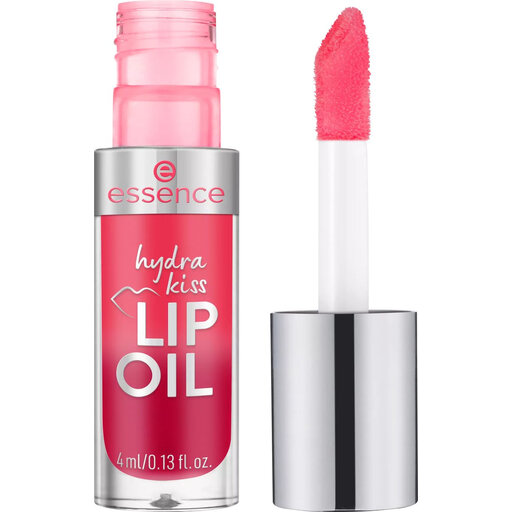
Why it suits this profile: An accessible choice for anyone wanting to try lip oil with a subtle tint and everyday shine.
The product specification mentions a high-gloss, non-sticky finish and a 4 ml volume. This tells you in advance that the colour is light and the packaging is compact.
According to the product information, it is vegan and the formula contains jojoba oil, meadowfoam seed oil, vitamin E and hyaluronic acid.
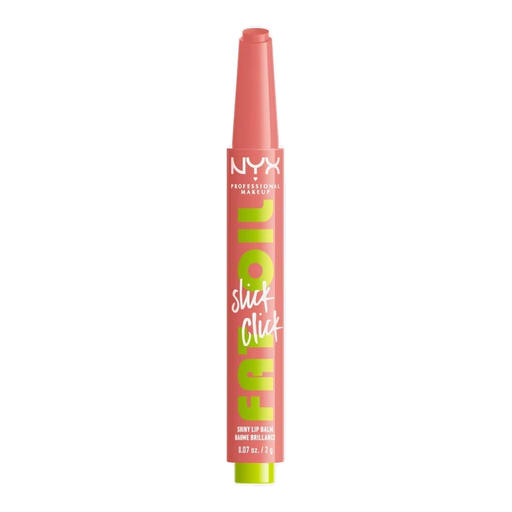
Why it suits this profile: Suitable for anyone who wants to combine a tinted lip balm and an oil-like feel with the convenience of a click-pen format.
The product information describes a lightweight, non-sticky texture and medium coverage. This makes clear that the product sits between lip balm and makeup.
According to NYX, the formula contains avocado, cloudberry and raspberry oils and provides up to 12 hours of hydration. This is a claim from the product description, not a guaranteed personal result.
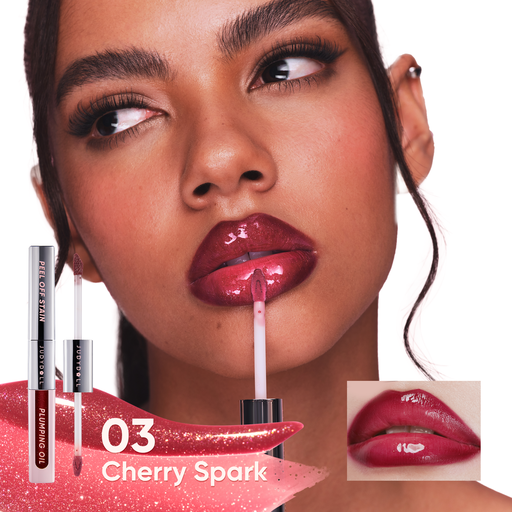
Why it suits this profile: A practical combination for anyone who wants long-lasting colour and a glossy layer in a single routine.
The two steps are clearly separated: first allow the stain to dry for approximately three minutes, then apply the lip oil. This prevents you from expecting a single layer to do everything at once.
According to JUDYDOLL, the stain is waterproof and smudge-resistant for up to 40 hours, while the oil is designed to provide a high-gloss finish. These wear-time and volume claims come from the brand’s product information.
Start with clean, dry lips. Apply a thin layer first and wait a few seconds before adding a second. If you are using a highly pigmented lip oil, apply it in front of a mirror, especially when the applicator picks up a generous amount of product.
For extra colour, use a lip liner or lipstick as a base. A transparent oil then works as a glossy top coat. If you prefer a soft everyday look, choose a pink, nude or peach shade with light coverage.
Store lip oil according to the packaging instructions, preferably in a cool, dry place away from direct sunlight. Check the expiry date and the period after opening. Discard the product if its scent, colour or texture changes noticeably.
Browse a current selection of lip oils and compare formulas, shades, applicators and product features in one place.
No. Lip oil generally places greater emphasis on a smooth, nourishing feel, while lip gloss is primarily used for shine and colour. Some hybrid products combine both characteristics. That is why it is important to check the product category, texture and ingredients.
That depends on the formula, amount applied, colour and your eating and drinking habits. A transparent lip oil usually needs to be reapplied more often than a lip stain. A stain-and-oil duo may preserve colour for longer, but the glossy layer can fade in the meantime.
Yes, provided your lips are not irritated or damaged and the formula is well tolerated. Lip oil can provide comfort and shine, but it does not always replace a richer lip balm. If dryness or irritation persists, stop using the product and check the ingredients.
