
当日/次日达

品质保障

开启新人专享福利: 全场免邮 | 低至 2 折 | 免费试用 30 天 JoyPlus 会员
下载 Joybuy
Lip oil seems simple: apply it, add shine and you’re done. Yet lip oil, lip gloss, tinted lip balm and lip serum differ considerably in texture, colour intensity and use. A product that looks good in its packaging may feel too sticky in practice, provide little colour or not suit dry lips.
As a Joybuy Product Recommendation Officer, I filter marketing language down to verifiable product information. This helps you see what to look for in lip care and which formulas suit different situations.
Brands often use terms such as hydrating, nourishing and conditioning broadly. So check the ingredients and product category. A lip oil with jojoba oil, vitamin E, meadowfoam seed oil or other oils may feel pleasant, but the experience varies from person to person.
Also note the difference between a lip oil for dry lips and a classic lip balm. An oil mainly adds shine and a smooth feel. For chapped lips, a thicker balm or lip treatment may be more practical.
High shine is not achieved with oil alone. Some lip gloss formulas contain film-forming ingredients that last longer but can feel sticky as a result. Look for a clear description of the texture, such as lightweight or non-sticky lip gloss.
Bear the Dutch weather in mind: wind, scarves and colder temperatures make a sticky formula less pleasant for everyday use.
“Intense colour” may mean that the formula is highly pigmented, but it may also mean that the colour is buildable on the lips. Check the stated coverage and shade. A sheer lip oil gives a subtle sheen, while a tinted lip oil is closer to a tinted lip balm or lip gloss.
For claims about volume or how long hydration lasts, for example, bear in mind that these are product claims made by the brand or seller. According to the manufacturer’s product description, some formulas are said to have a particular effect or to last for a certain length of time; this is not guaranteed for every individual.
First, choose the feel you want:
A radiant or satin finish is not the same as a mirror shine. So check the stated finish, for example glossy, radiant, satin or shimmering.
Check the full ingredients list for fragrance, flavourings and known allergens. Ingredients such as limonene, linalool or benzyl alcohol are found in various lip products, for example. This does not automatically mean that a product is unsuitable, but it is relevant information if you are sensitive to them.
A vegan lip oil is also not the same as a product that is completely free from fragrance or preservatives. Check each claim on the product page and packaging.
A doe-foot applicator spreads lip oil over the lips quickly. A click pen, such as the NYX Fat Oil Slick Click, dispenses the product using a click mechanism. This can be handy when you’re out and about, but click only as often as needed to avoid waste.
Also check:
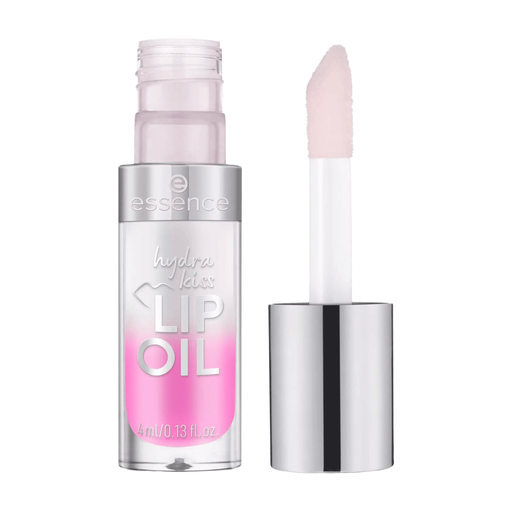
Why This Fits Their Persona: An accessible choice for anyone trying lip oil for the first time and looking for a light tint with shine for everyday use.
The product information states that it has an ultra-light, non-sticky formula and a subtle tint. This makes expectations clearer than a general claim about intense pigmentation.
Vegan according to the product specifications; 4 ml contents; with jojoba oil, vitamin E and meadowfoam seed oil according to the ingredients list.
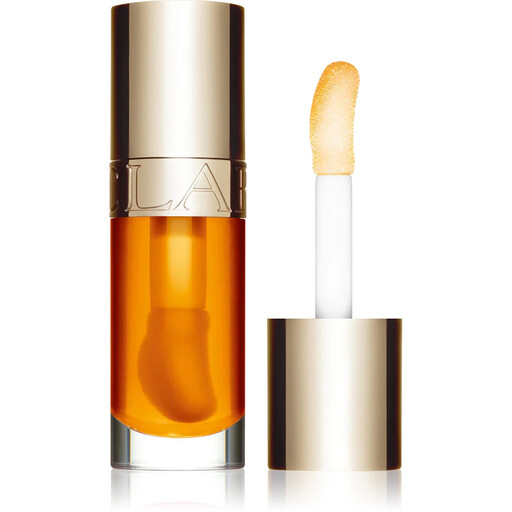
Why This Fits Their Persona: Suits anyone who wants to use lip oil mainly as a conditioning base, overnight treatment or extra layer of shine.
The product page lists ingredients including jojoba, hazelnut and rosehip oils. Do check that its non-vegan status suits your preferences.
7 ml contents; 93% naturally derived ingredients according to the product description; suitable as a base for lip colour.
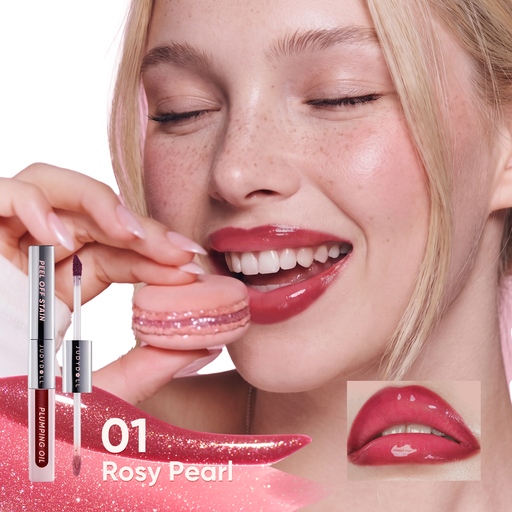
Why This Fits Their Persona: For make-up enthusiasts who want to combine long-lasting colour with glossy lip oil and are willing to use several steps.
The application order is clear: apply the stain, leave it to dry for about three minutes, remove it and then apply the oil. The product claim about 40 hours and volume comes from the brand description and should not be read as a guarantee.
Two products in one set; a combination of peel-off colour and glossy oil; warning not to use the product on irritated skin.
Choose lip oil if you value glossy lips, a light texture and a conditioning feel. Lip gloss makes more sense if the finish and colour are most important. According to the product description, Rimmel Oh My Gloss Lip Oil combines the look of lip gloss with an oil formula and a hint of colour.
If you want colour and a compact product, consider a tinted lip balm such as the NYX Fat Oil Slick Click. The product listing mentions a vegan formula, avocado, cloudberry and raspberry oils, click packaging and a glossy finish. The stated hydration for up to 12 hours is a claim from the brand’s product description.
We’ve put together a current selection of lip products so you can compare formulas, colours, finishes, contents and product information.
It can be, depending on the formula and your preference. A hydrating lip oil adds shine and a smooth feel, but lip balm may be more suitable if you’re looking for a thicker protective layer. Check the ingredients and instructions for use.
Follow the expiry date and period-after-opening symbol on the packaging. For example, Essence Hydra Kiss lists a period of 12 months after opening for a specific variant. Store lip oil tightly closed, in a dry place and out of direct sunlight.
Yes. Apply a thin layer of lipstick first, then add a small amount of oil. This adds extra shine but may make the colour fade faster. A colourless formula is practical for this; a tinted lip oil changes the final shade.
