
Livraison le jour même et le lendemain

Qualité garantie

Débloquez vos offres de bienvenue: Livraison GRATUITE | Jusqu'à -80 % | 30 jours d'essai gratuits à JoyPlus
Téléchargez l'application
Lip make-up might seem simple to choose, but marketing claims can make comparisons tricky. A lipstick can be described as glossy, long-lasting and hydrating all at once, yet how it wears depends heavily on your lips, application technique and the formula. Similarly, a lip plumper won't give the same result for everyone.
The most common buying mistakes come down to three pitfalls:
First, decide what result you're after. A matte lip liner helps define the lip contour without shine. A glossy lipstick, lip gloss or lip glaze gives a reflective finish instead. A lip tint usually has a lighter, more transparent texture that leaves a layer of colour behind.
Look out for these practical differences:
A lip mask can be used before lip make-up, following the instructions on the packaging. For example, the Soothing Prep Lip Mask(V2) states that you should leave the mask on for 10 to 15 minutes and then use a lip balm or moisturiser.
Don't just look at names like "Rose", "Rusty" or "Babe". Also check whether the description mentions transparent, buildable or highly pigmented coverage. A red lipstick can look cool, neutral or warm. For everyday wear, soft nude and rose shades are often easy to combine; brown, red and berry give more contrast.
A lip liner can:
Apply the liner with short strokes along the natural edge. If you want your lips to look slightly fuller, you can lightly overline the contour, as described in the product information for Laka. Keep close to the natural shape for an even result.
Check the stated volume, shelf-life information and period after opening. The Rimmel London Lasting Finish 8h Lip Liner, for example, states 24M after opening, while the packaging contains full information about shelf life and use. Don't use lip make-up if the scent, texture or colour has clearly changed.
Claims should always be read in context:
With cosmetics, pay attention to the ingredients list and the mandatory product information under European cosmetics regulations, including Regulation (EC) No 1223/2009. If you're sensitive to fragrance, menthol or colourants, it's wise to do a small patch test on your skin. Stop if irritation occurs and follow the safety information on the packaging.
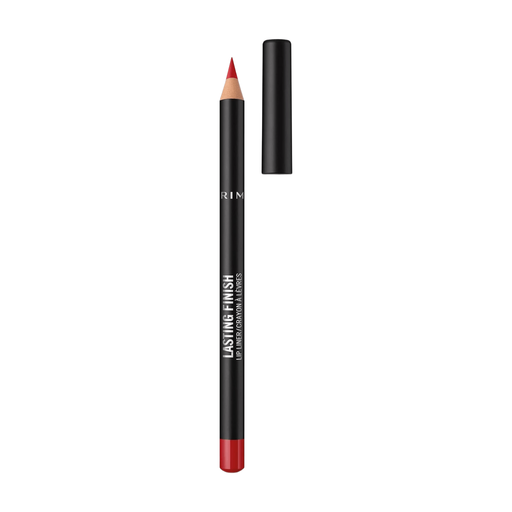
Why this fits the profile: A pencil format is straightforward for anyone wanting to learn lip make-up step by step. The red shade works well for a clearly defined look.
The description mentions a creamy texture and blendability. This means you can apply the line softly at first and then build it up, rather than drawing a harsh contour straight away.
1.20 g content, pencil packaging, 14 shades available in the range and a long-lasting formula according to the product description.
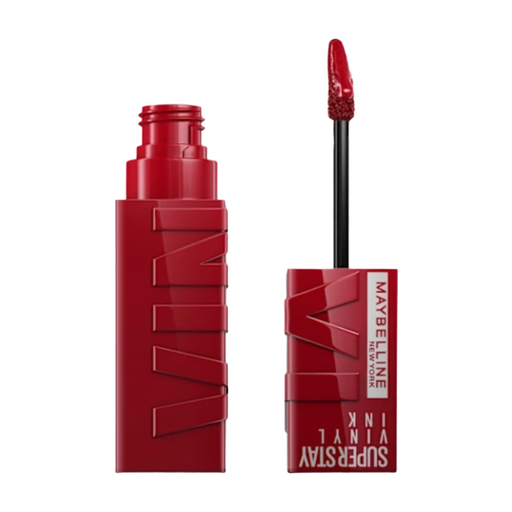
Why this fits the profile: This liquid lipstick is designed for anyone who wants intense colour and a glossy finish in one product, without needing a separate lip gloss.
The instructions say to shake, apply and let it dry briefly. This makes the process clearer than with formulas where you have to guess when the colour has set.
4.2 ml content, red colour, liquid formula, vinyl finish and vegan claim according to Maybelline's product information.
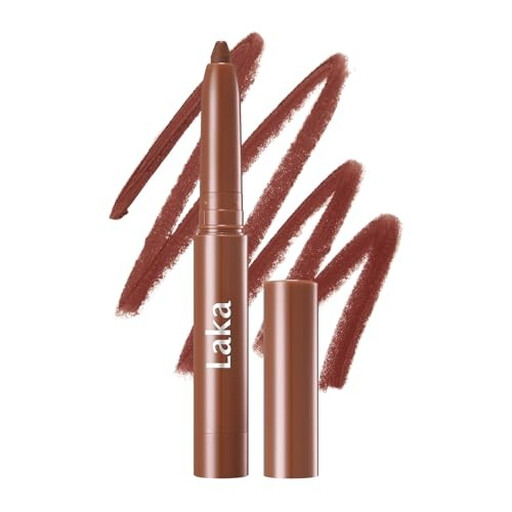
Why this fits the profile: This Korean lip make-up suits users looking for a soft matte contour, overlining and a formula for everyday wear.
The product description mentions a waterproof formula and removal with an oil-based cleanser. This means you know in advance that a regular tissue may not be enough.
Soft-matte finish, blendable texture, eight shades available in the range and cruelty-free according to the product information.
We've put together a full, up-to-date list of products that fully meet these strict selection criteria and comply with current European safety regulations.
Prepare dry lips with a gentle care product and wait a moment before applying lipstick. Too much lip balm under a liquid formula can affect how well it adheres. For long-lasting lip colour, you can apply lip liner over the entire lip surface first, then use lipstick and gently blot any excess product.
Store lip make-up:
A lip plumper or glossy lipstick can give a fuller-looking effect through shine or a plumping claim, according to the product description. If you have sensitive skin, check the ingredients, especially if menthol, fragrance or colourants have been added.
That depends on the formula and packaging. Look at the open-jar symbol, such as 24M, and also watch for changes in scent, colour and texture. Liquid products can feel different more quickly when they come into contact with air often.
A lipstick usually gives more colour straight away and can be matte, creamy or glossy. A lip tint often has a thinner texture and leaves a layer of colour behind. This makes a tint handy for a light everyday look, while lipstick offers more control over coverage and finish.
Use a remover that's suitable for long-wearing or waterproof cosmetics. Some lip liners explicitly state that an oil-based cleanser is needed. Don't rub hard; let the remover sit for a moment and then follow the product's care instructions.
