
Vandaag of morgen in huis

Kwaliteit gegarandeerd

Welkomstaanbiedingen ontgrendelen: GRATIS bezorging | Tot 80% korting | Gratis 30 dagen JoyPlus-proefperiode
Download de app
A lip liner can help you define your lips more precisely, keep your lipstick in place, and create a fuller-looking pout. However, not every lip liner is suitable for daily use. A pencil that glides smoothly on your hand can drag on dry lips. A waterproof lip liner may last for hours, but can sometimes be trickier to remove. And a deep shade can give a beautiful contour, but may be less forgiving if your application isn’t spot on.
With this practical selection, you can focus on the features that really matter: texture, longevity, colour and ease of use.
A colour on a product image can look different on your lips. Undertone, pigmentation and the combination with lipstick or lip tint all play a part. A nude lip pencil with a pink undertone will look different from a beige or brown shade.
So don’t just rely on the colour name – also consider the intended use:
A long-lasting lip liner is designed to stay visible for longer, but how long it actually lasts depends on eating, drinking, your skin type and the products you apply over it. Check whether the product description gives concrete information about the formula and removal.
For some Laka Stain Lip Liner shades, the product description mentions a waterproof formula that, according to the brand, resists sweat and moisture. It also states that an oil-based cleanser may be needed to remove the colour thoroughly. That’s practical for a long day, but less convenient if you only use a gentle micellar cleanser.
A matte lip liner can give a sharp result, but a dry or draggy formula will emphasise flaky patches. For a lip liner for dry lips, a soft, blendable texture and good preparation are more important than just a matte finish.
Apply a thin layer of lip balm beforehand and remove any excess before you start lining. Do not use a lip liner on cracked, irritated or damaged skin. Always follow the warnings and ingredient information on the packaging.
A soft lip liner glides more easily over the lip line and is suitable when you want to blend the contour. A creamy formula can also be applied all over the lip as a base for lipstick. A matte finish looks less glossy, while a glossier result can work better with lip gloss or a hydrating lipstick.
Check whether the product description uses words like:
Bear in mind that such descriptions are product information, not a guarantee that the formula will feel the same for everyone.
A sharpenable pencil can be given a fresh, sharp point. That’s handy for a precise cupid’s bow and for lining the lips. A twist-up version is quicker to use and doesn’t require a sharpener, but only twist out a small amount to prevent breakage and drying out.
A sharp point is useful for:
With a waterproof lip liner, it’s important to also look at the removal instructions. A formula that, according to the product information, resists moisture may need an oil-based remover. If you have sensitive skin, test a small area first and stop if irritation occurs.
A claim like “8 hours” or “10 hours” comes from the brand’s product description. Treat this as an indication under certain conditions, not a guaranteed result for every user.
For a natural effect, use a lip liner that is close to your own lip colour or lipstick. If you want to use a lip liner for overlining, don’t draw around the entire outer edge far beyond your natural lip line. Follow your natural shape and only add a small margin in the centre of the upper and lower lips.
Then blend the line inwards. This creates a softer transition and makes any small deviation less noticeable.
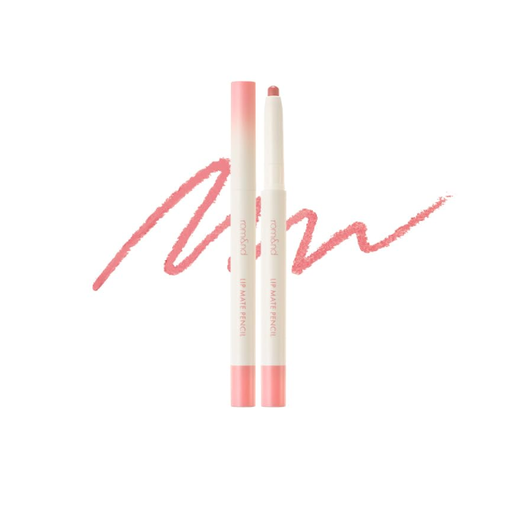
Why it fits this profile: The soft pink shade is designed for natural looks and everyday wear. According to the product description, the formula can be blended and worn alone or under another lip colour.
The subtle shade is less harsh than a dark contour colour, making it easier for beginners to blend out small inaccuracies.
Soft natural pink; sharpenable for a precise tip; according to the product information, smooth to apply and blend.
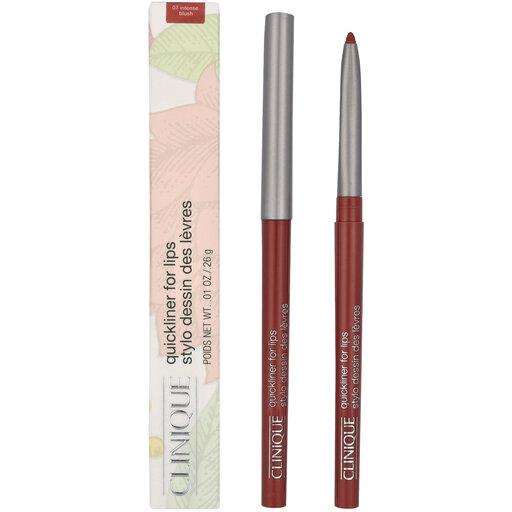
Why it fits this profile: The twist-up design focuses on convenience and precise application without sharpening. That suits users who regularly touch up their make-up on the go or at the office.
The twist mechanism means you don’t need a separate sharpener. According to the product description, the formula is non-drying and designed to help prevent lipstick from bleeding.
No sharpening needed; 0.26g content; according to the product information, a smooth, non-drying application.
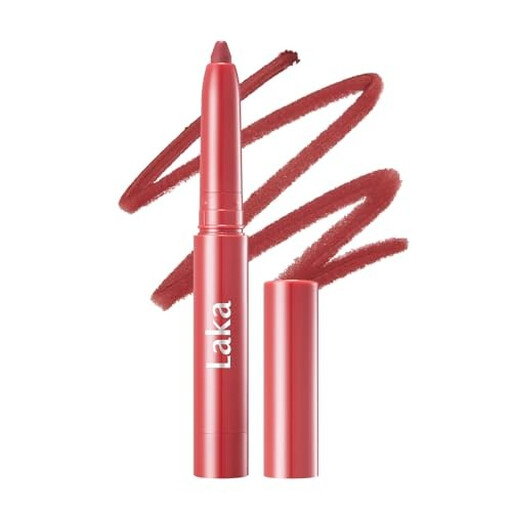
Why it fits this profile: If you’re after long-lasting lip make-up, the soft-matte Laka liner is worth considering. The product description mentions a waterproof formula, eight pigment-rich shades and use for both lining and overlining.
The product information mentions resistance to sweat and moisture, while also stating that an oil-based cleanser is needed for removal. This makes both use and maintenance clear.
Soft-matte finish; blendable texture; according to the brand description, waterproof; suitable for contouring and overlining.
We’ve put together a full, up-to-date list of products that fully meet these strict selection criteria and comply with current European safety regulations.
A lip liner will last longer if you close the cap tightly, store the pencil in a cool, dry place and follow the expiry information on the packaging.
That varies depending on the formula, your skin, your eating and drinking habits, and the lipstick you apply over it. Products with a long-lasting or waterproof claim are, according to their product description, developed to stay on longer, but the stated duration is not a fixed guarantee for every user.
It can be, as long as the texture feels comfortable and your lips aren’t irritated. Choose a soft or creamy lip liner if possible, prepare your lips lightly beforehand and avoid using products on cracked skin. If you have sensitivity, check the ingredients list and do a patch test if necessary.
Yes, but do it subtly. Follow your natural contour and only overline the centre of the upper and lower lips. A shade close to your own lip colour makes the transition less noticeable. Blend the edge before applying lipstick for a more natural result.
